
Key Event: Xiaomi VGT Officially Arrives in GT7, Alongside the Launch of EV Driving Tutorials
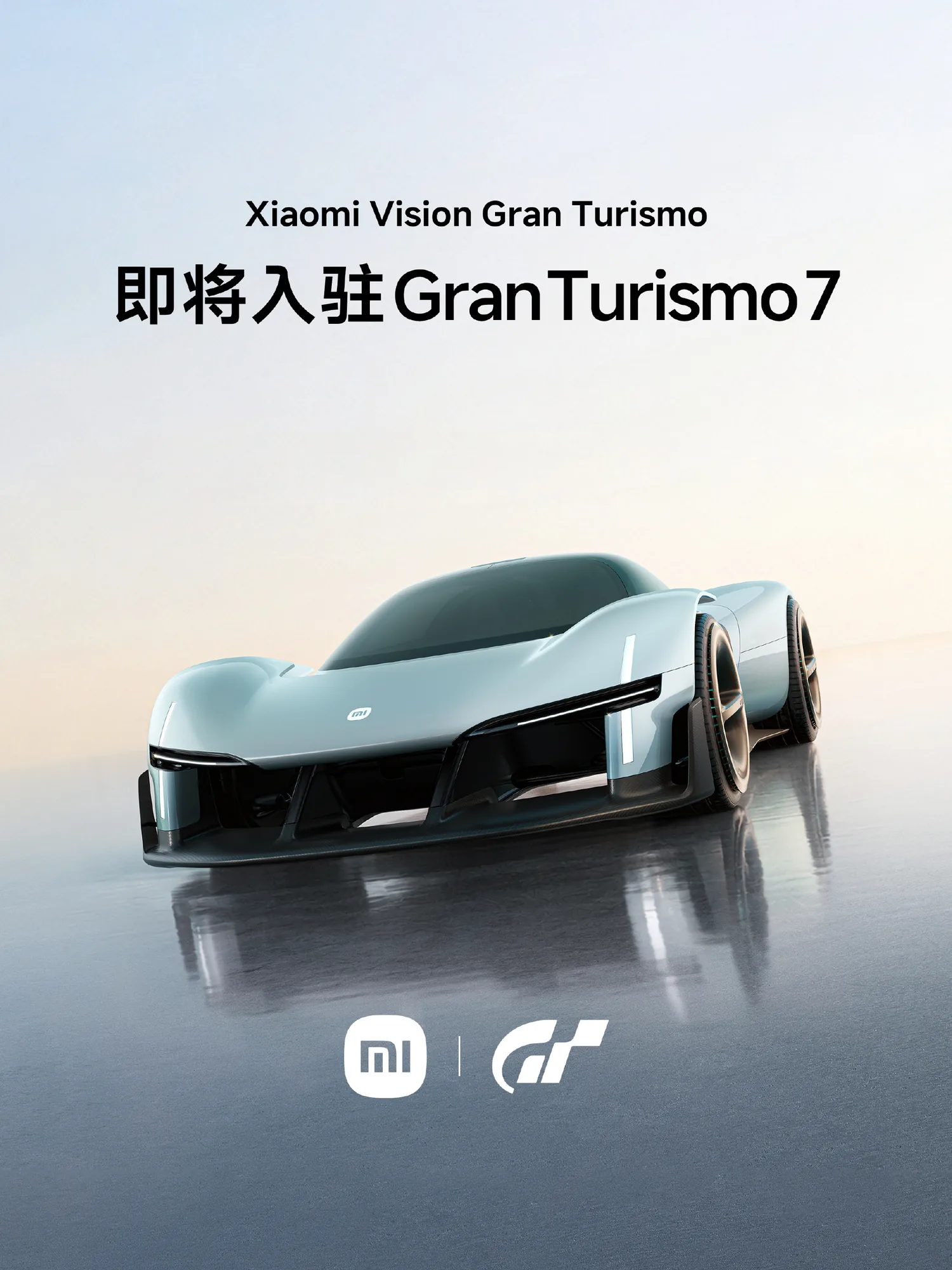
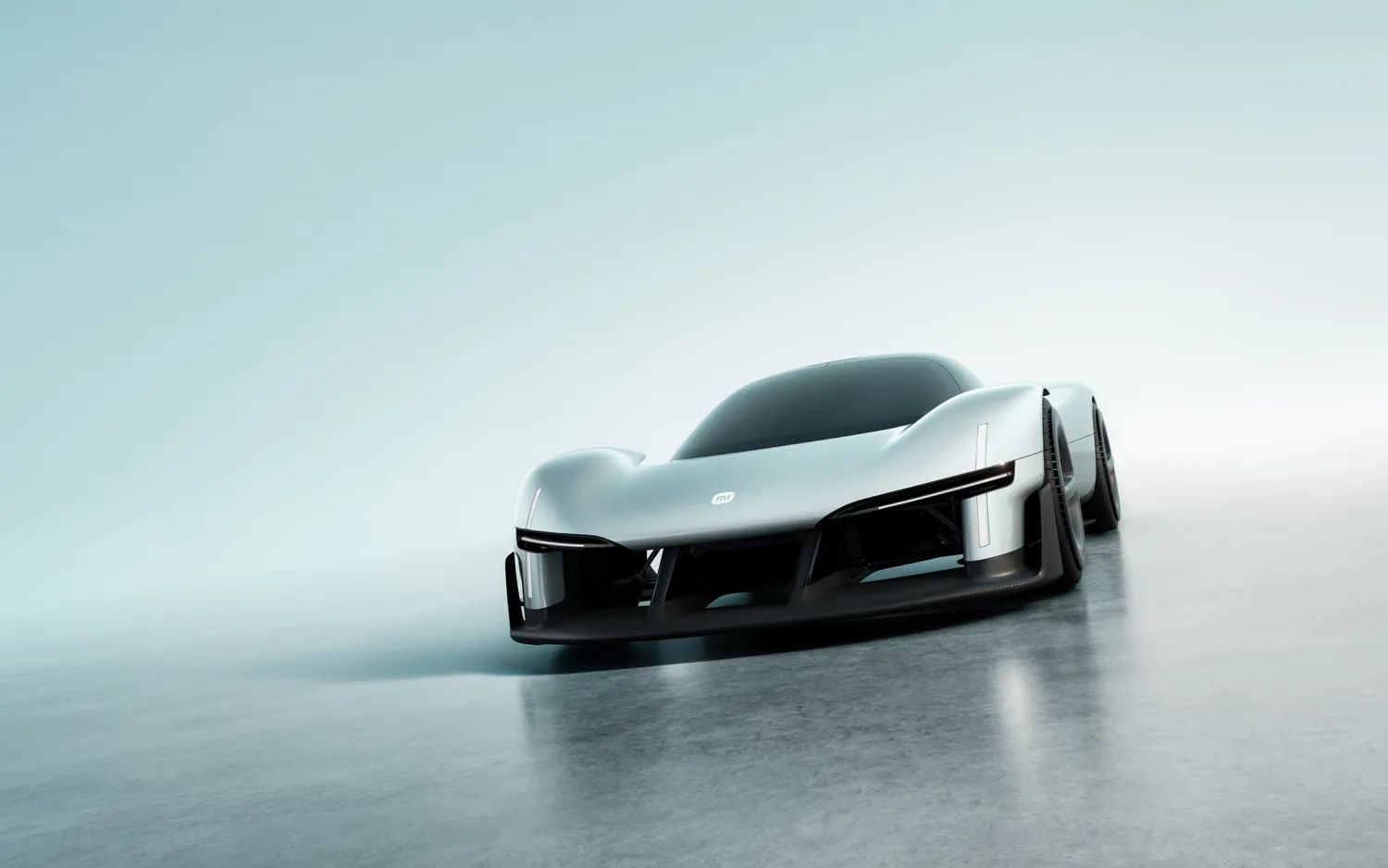
On October 3, 2026, Gran Turismo series producer Kazunori Yamauchi and Jean-Arthur Madelaine, head of design at Xiaomi Auto’s European R&D center, announced two major collaborations at the GT World Series event in Singapore:
- Release timing: The Xiaomi Vision Gran Turismo (Xiaomi Vision GT) will officially arrive in Gran Turismo 7 in October 2026
- Historical significance: It is the first VGT model from a Chinese brand since the GT series launched the VGT project in 2013, and the 36th VGT model worldwide
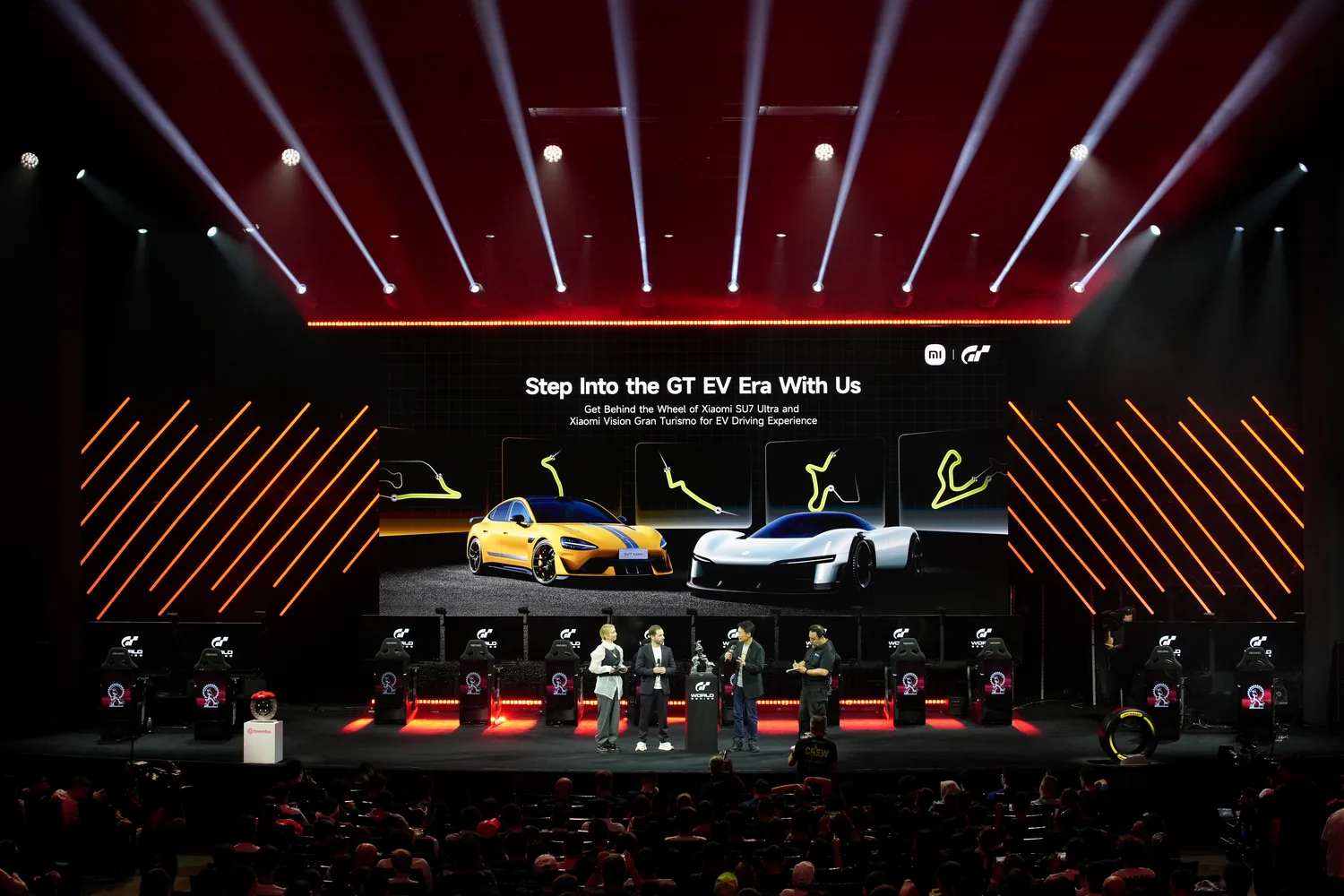
- Tutorial launch: GT7 will introduce the series’ first EV-specific driving tutorial module in 30 years, letting players complete dedicated training missions with the Xiaomi SU7 Ultra and Xiaomi Vision GT
- Platform feedback: In the conversation, Kazunori Yamauchi confirmed that the Xiaomi Vision GT performs “incredibly smoothly” in the game and is “a car for the drivers of the future”
A Chinese Brand Enters the VGT Pantheon for the First Time
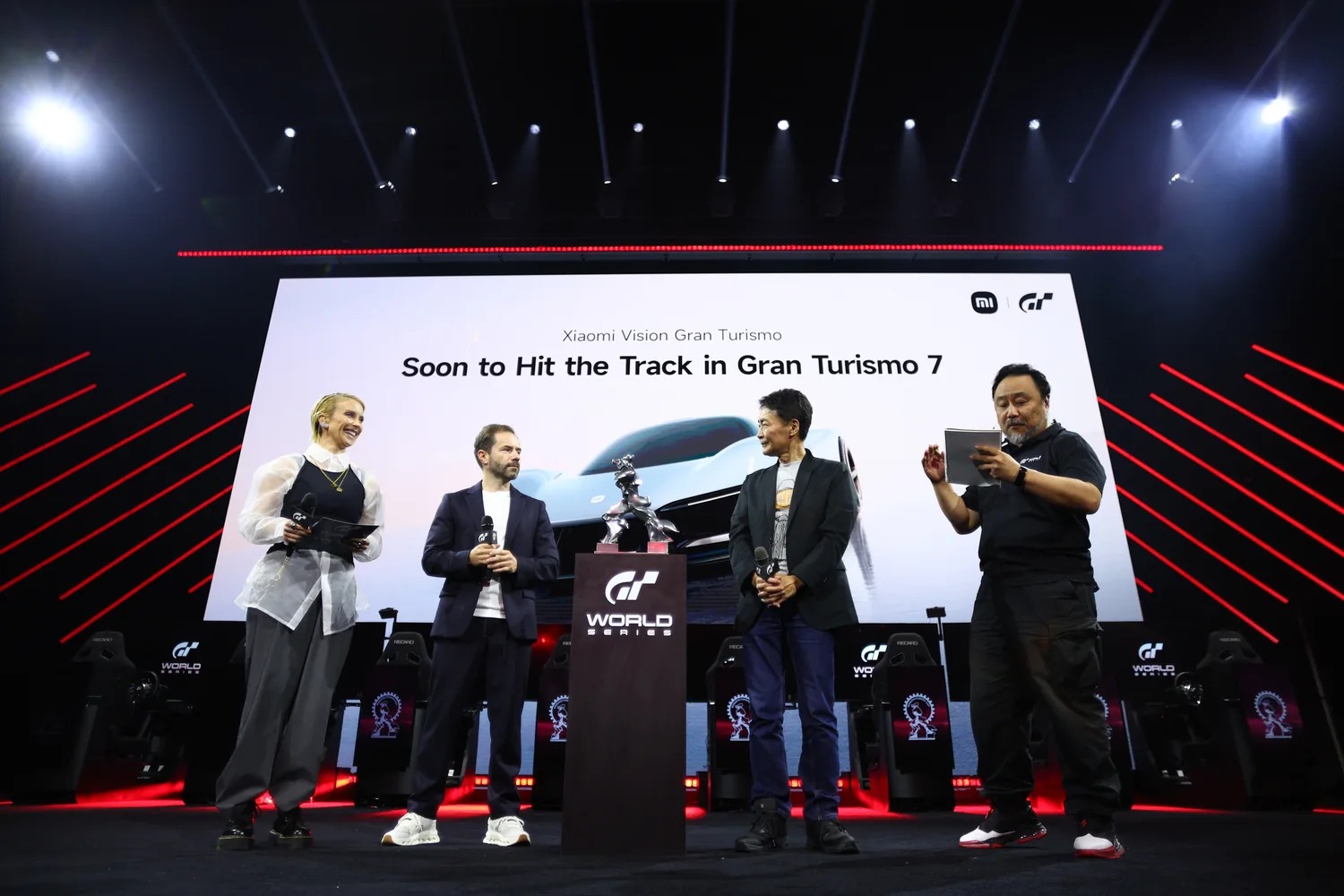
Vision Gran Turismo (VGT) is a signature concept-car collaboration project that the Gran Turismo series launched in 2013, inviting major global automakers to design concept supercars exclusively for the game. Over more than a decade, it has brought together top brands such as Bugatti, Ferrari, Porsche, McLaren, and Toyota, with no Chinese automaker taking part before now. As the 36th brand invited to join, Xiaomi is both the first Chinese brand and the first brand selected as a technology company—a contrast that reflects the increasingly blurred boundaries of the automotive industry.
The design process of the Xiaomi VGT has drawn considerable attention: it made its global debut at MWC in Barcelona in February 2026, unveiled by Li Tianyuan, chief designer of Xiaomi Auto; the physical car appeared at the Beijing International Automotive Exhibition in April. From design reveal to game launch, the entire process took less than a year, achieving an efficient closed loop from design to virtual-track implementation.
Design Philosophy: An Aerodynamic Masterpiece Sculpted by the Wind
The Xiaomi Vision GT is built around the core philosophy of “sculpted by the wind,” rejecting deliberately carved edges and additional aerodynamic kits. Its cockpit shape resembles a suspended water droplet, and every surface has been optimized aerodynamically. The aerodynamic design already proven on production models such as the Xiaomi SU7 and Xiaomi YU7 is further strengthened on the VGT:
- Drag coefficient (Cd): 0.29
- Aerodynamic efficiency: 4.1
- Front-end design: The cross-shaped headlights also serve an airflow-guiding function
- Rear design: The halo taillights are innovatively integrated as part of the rear air duct, paired with an active wake control system
The cabin design embodies the “Sofa Racer” philosophy; the ring-shaped symbiotic cockpit integrates Xiaomi’s AI capabilities, enabling driving-intent perception and seamless integration with Xiaomi’s “human-car-home full ecosystem.”
GT Series’ First EV Driving Tutorial, With Xiaomi as the Key Driving Force
The most disruptive aspect of this collaboration is that GT7 will introduce the “first-ever EV driving tutorial” module. This is the first time in the 30-year history of the Gran Turismo series that dedicated driving training content has been offered for electric vehicles, marking a systematic shift for the series from traditional combustion-engine logic to the electric-drive era. As the only core brand named, Xiaomi has achieved a threefold presence in the GT game ecosystem in less than a year—from the Xiaomi SU7 Ultra (production car) and Xiaomi Vision GT (concept car) to co-building an industry standard (EV tutorial):
- Production car entry: The Xiaomi SU7 Ultra enters GT7 as the first Chinese production car
- Concept car launch: The Xiaomi Vision GT becomes the first Chinese VGT model
- Standard-setting participation: Jointly advancing EV driving tutorials as a new industry module
Setting aside capabilities such as ecosystem adaptation and intelligent interaction, Xiaomi’s technology showcase in racing culture is more focused on three dimensions that can be experienced in practice.
Practical Takeaways for Readers
- GT7 players: If you are interested in EV handling characteristics and track performance, after the October launch, prioritize the combined missions for the SU7 Ultra and Vision GT, and pay particular attention to the EV tutorial module’s handling-assist value for players with a strong preference for EVs
- EV enthusiasts: If you hope to infer real-car capabilities from the virtual track, you can use the VGT experience in GT7 to observe how faithfully Xiaomi’s aerodynamic design is reproduced in a realistic simulation; however, it is wise to view the differences between virtual settings and real-car performance rationally
Final Thoughts
When traditional racing culture begins to set up a separate tutorial module for EVs, and a Chinese brand opens the doors of the VGT pantheon for the first time as a technology company, this event not only marks a shift in technological direction but also signals that the digital world is becoming a new high ground for the automotive industry’s value output—downforce data from the virtual track may yet feed back into the logic of real-world wind-tunnel experiments.