
A Luxury Mansion Deal Brings xAI Co-Founder Back Into the Spotlight
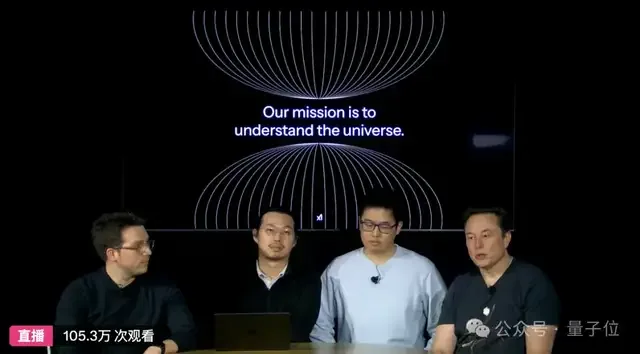
Tony Wu (Wu Yuhuai), an AI researcher born in Hangzhou in 1995, has been identified by media sources as the buyer behind Silicon Valley’s most expensive residential transaction so far this year — a 70-million-dollar estate (roughly 500 million RMB) in the affluent Hillsborough neighborhood of North Bay Area. This comes roughly six months after he departed xAI, the company founded by Elon Musk.
The deal has drawn attention not just because of the sheer price tag, but because the buyer appears to be a key technical figure from the recent large-model revolution. Wu was one of xAI’s 12 co-founders and stood alongside Musk at the Grok 3 launch. His journey — from an inference-model researcher to a top-tier Silicon Valley mansion buyer — is being viewed as a microcosm of the wealth created by AI equity.
The Estate, the Trust, and a Pieced-Together Buyer Identity
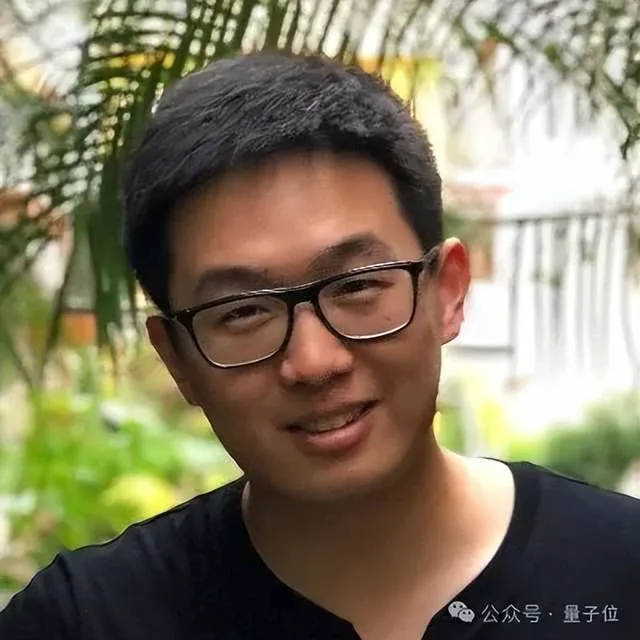
The estate originally listed for 88 million dollars, was reduced by 10 million, and ultimately closed on August 6 for 70 million. Public records show the buyer is not an individual but a company called Daikon no Hana Capital, which was incorporated just on July 9 and is managed by an estate-planning attorney.
Media outlets linked Wu to the purchase based on several converging clues: the same attorney had transferred a prior property of Wu’s — a 1.2-million-dollar home — into a family trust just a week before the new estate closed. Meanwhile, the buyer’s broker had only one other significant residential transaction in the past five years, and that was the property Wu purchased in 2025. While Wu’s name does not appear directly in public records, the weight of circumstantial evidence has led many to conclude the true buyer is clear.
Key details of the property include:
- Approximately 12 acres of land;
- A main residence of roughly 12,000 square feet, plus an additional 4,600-square-foot guest house;
- Tennis courts, a nine-hole golf course, an eighteen-hole putting green, and a koi pond;
- An outdoor amphitheater seating 150, a 2,100-gallon aquarium, and an outdoor fountain modeled after the Bellagio in Las Vegas.
From Hangzhou to Grok 3: How the Inference-Model Route Hit the Spotlight
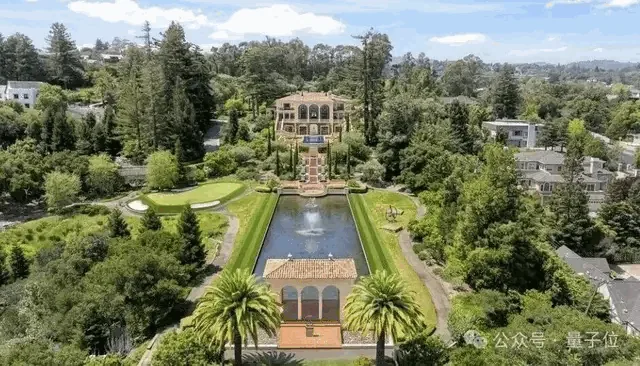
Long before the mansion news, Wu was known in the AI community for his long-running work on “teaching machines to reason.” Born in Jiande, Hangzhou in 1995, he later moved to the University of Toronto for his PhD in machine learning, studying under Roger Grosse and Jimmy Ba. After completing his doctorate, he went on to do postdoctoral research at Stanford. On his personal website, he describes his research focus as “building machines that can reason.”
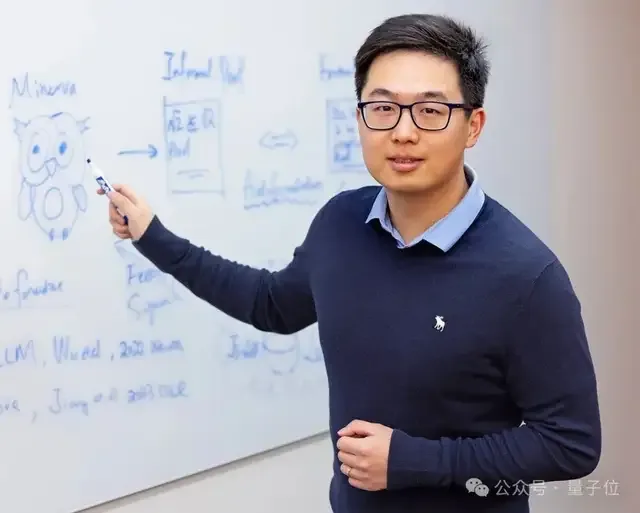
In simple terms, inference models go beyond directly spitting out answers — they attempt to generate intermediate steps, check their reasoning, and work through complex problems over longer time horizons. Wu has contributed to projects including AlphaStar, the self-improving reasoner STaR, the math model Minerva, and the geometry-reasoning system AlphaGeometry. He has also worked or interned at OpenAI and Google.
In 2023, when Musk formed xAI, Wu joined alongside his former advisor Jimmy Ba, becoming one of the company’s 12 co-founders. By the time Grok 3 launched, he was considered a key figure on the reasoning team. Grok 3’s emphasis on “think first, then answer,” along with its backtracking, verification, and extended reasoning capabilities, aligns closely with Wu’s research direction over many prior years.
In February this year, after xAI merged with SpaceX, Wu announced his departure; Jimmy Ba also left the following day. Wu said at the time that he would explore a new chapter in his life, expressing belief that “small teams armed with AI can move mountains.” As of now, no public information has emerged about his new venture.
xAI’s Wealth Effect and Silicon Valley’s Asset Repricing
The sale has been amplified because of its connection to the wealth effect from the xAI–SpaceX merger. According to U.S. securities filings cited in the original report, each share of xAI converts to 0.7165 shares of SpaceX; at the opening-day closing price, that works out to approximately $115.32 per share — about 53% higher than the $75.46 per share cash election SpaceX offered to certain qualifying parties at the time of the merger. However, Wu’s specific holdings have not been disclosed, and the amount he has cashed out remains unconfirmed.
Media estimates suggest the SpaceX-related wealth effect has already made more than 4,400 current and former employees millionaires, with roughly 400 of them holding stakes worth over $100 million. If companies such as Anthropic and OpenAI continue to unlock value through future IPOs, acquisitions, or equity transactions, the asset leap for core AI researchers could persist.
On an industry level, competition among AI companies is expanding beyond model capabilities to include talent, capital, and real-asset positioning. Top researchers no longer hold conventional single-role skills; instead, they possess rare capabilities that can directly shape model roadmaps and product direction. When those capabilities are priced through equity, wealth concentrates more heavily among a small number of core members. The Bay Area’s housing market has seen a 14% price increase over the past year, with luxury transactions becoming increasingly frequent — a visible sign of this new wealth flowing into real-world assets. Looking ahead, AI entrepreneurship, mega-cap mergers, and capital exits will continue to reshape Silicon Valley’s wealth landscape. But the market will also pay closer attention to whether this wealth stems from sustainable product revenues or from early bets on the next generation of intelligent platforms.