
The Core Event: Wildcat Lake Laptops Arrive in the Market

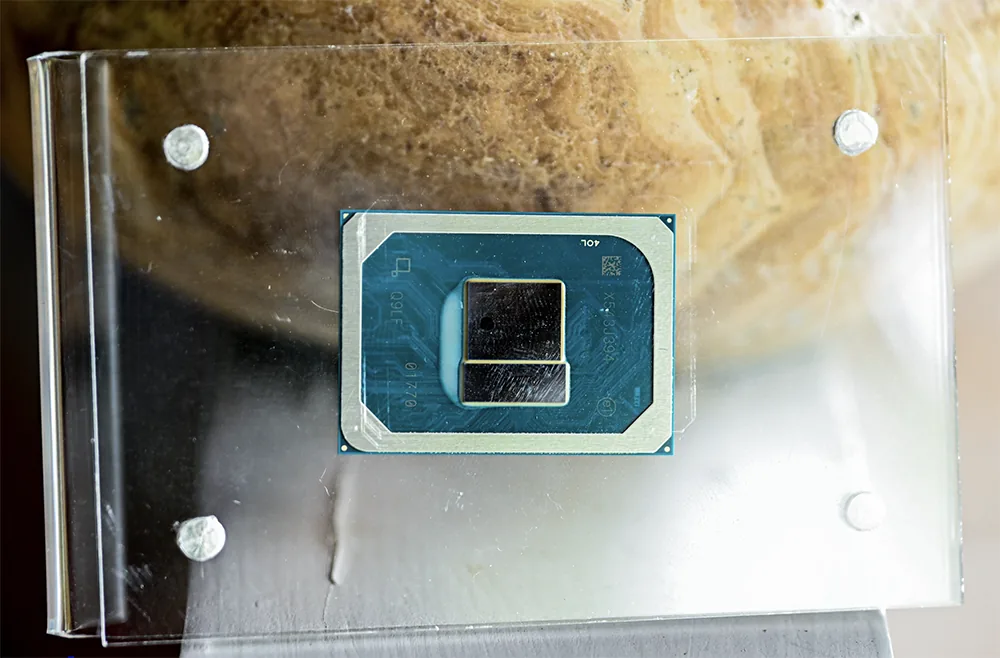
The third-generation Intel Core Processor (codenamed Wildcat Lake) has launched alongside its first wave of bring-up laptops, emphasizing high energy efficiency and hybrid cloud-edge AI. The breakout device is the Mechanical Revolution Wuyi 14 S, weighing under 1.2kg with a 14-inch metal chassis, equipped with the Core 5 315 processor, 12GB RAM, and a 60Wh battery with 65W fast charging support. Its price falls in the 4000~6000 RMB mainstream segment, marking the first time AI capabilities reach such价位.
Key specifications:
- Launch timeline: Q3 2026 (no exact date specified)
- Process node: Intel 18A
- CPU: 6 cores / 6 threads (2P + 4LPE)
- GPU: 2 Xe3 cores
- NPU performance: 17 TOPS
- Memory support: Up to LPDDR5X-7467
- Base TDP: 15W
- AI architecture: Hybrid local + cloud processing
Design Philosophy: The Art of Subtraction

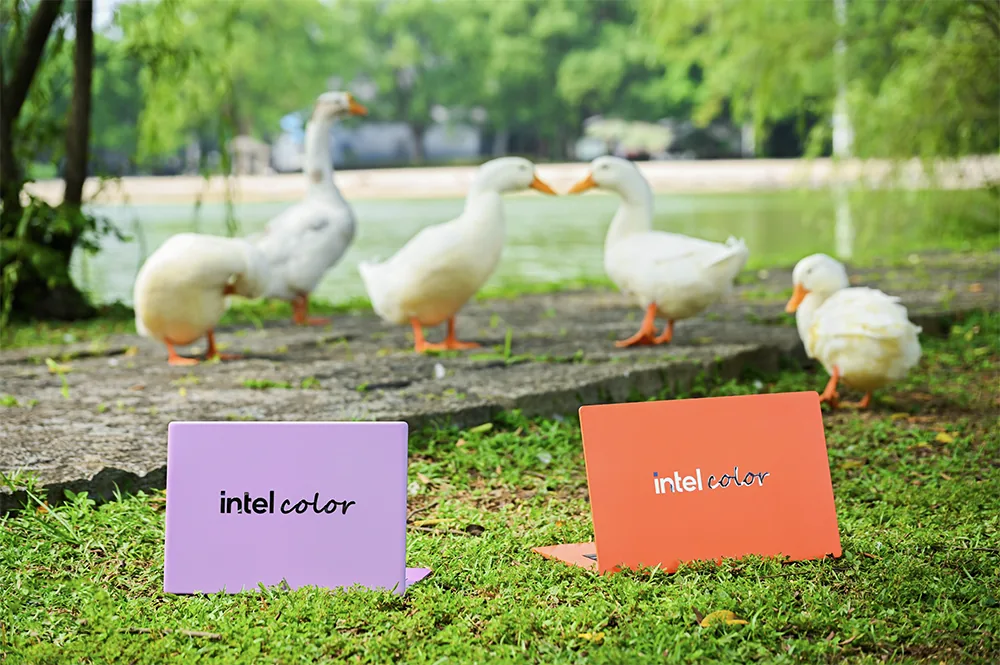
Wildcat Lake reflects the Chinese landscape painting concept of “leaving blank space”—refinement through restraint to highlight essentials. Intel’s Firefly program aims to deliver lightness, thinness, cleanliness, and aesthetics to entry-level laptops.
Optimization focuses on three levers:
- Smart supply chain borrowing: Adopting compact low-power components from mobile OEMs
- Structural simplification: 5% smaller PCB area, 7% fewer components vs. predecessor
- Standardized modules: Intel delivers core components for direct OEM adoption
One surprising metric: despite targeting low cost, Wildcat Lake delivers 17 TOPS NPU performance—comparable to many discrete GPUs in AI inference—while running at just 15W. This efficiency ratio previously appeared only in premium mobile chips.
The tested model’s port selection: 2×USB-C, 2×USB-A, 1×HDMI 2.1 TMDS, 3.5mm jack—sufficient for most use cases without a dock.
Real-World AI Scenarios: Three Use Cases Validated
Testing on the Wildcat Lake platform confirms deliverables for daily workflows:
Agent WorkBuddy: Leverages pre-installed local Skills for OCR, document/image parsing, speech-to-text, GPS handling. Local invoice recognition takes <1s; PDF processing varies by path complexity; ~700 words of speech-to-text takes over 2 minutes.Fullmultitasking tests (30 tabs, video call, file ops) ran smooth and quiet.
AI Photo Editing (Pixel Cake): Combines local GPU and cloud models. Features include AI point retouching (context-aware suggestions), one-click portrait enhancement (skin tone, shadows, spots), and generative fill. Tested prompts—change hair to red, add dog in arms—both succeeded.
Voice Assistant (Owlfy): Enables hands-free control. Hold right Alt for voice commands (window maximize, volume, screen switch, recording etc.); hold right Shift for dictation; double-click for memo. No memorization required—the local NPU runs quantized models.
Comparison and Buying Advice
| Feature | Wildcat Lake Laptop (tested) | Typical Mid-Range Laptop |
|---|---|---|
| CPU | 6C/6T (2P+4LPE) | Commonly 4C/4T P-cores only |
| NPU | 17 TOPS | Usually none or <10 TOPS |
| GPU | 2 Xe3 cores | Iris Xe or basic核显 |
| Weight | <1.2kg | 1.2~1.5kg common |
| Price | 4000~6000 RMB | 4000~7000 RMB |
| AI capability | Local + cloud协同 | Cloud dependent |
Who should buy now:
- Mobile办公 users needing portability, instant wake, and quiet operation
- Privacy-conscious users processing sensitive documents locally
- Students and freelancers wanting AI features without premium pricing
Wait longer if:
- You require heavy GPU workloads (e.g., video rendering)—await higher-GPU variants
- You need raw CPU performance—15W TDP isn’t designed for intensive tasks
In Closing
Wildcat Lake represents the pivotal moment when edge AI moves from flagship exclusivity to mainstream accessibility. By offering reference designs and standardized integration, Intel transforms AI from a premium add-on into a baseline feature—delivering computational value into everyday portable computing.