
Event Summary: A Deep Dive into AI Startup Defensibility at Risk
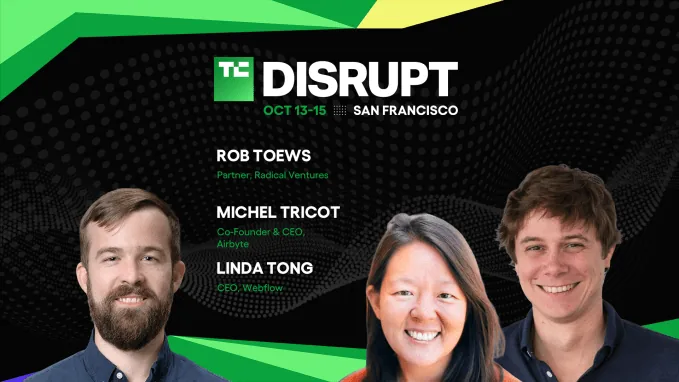
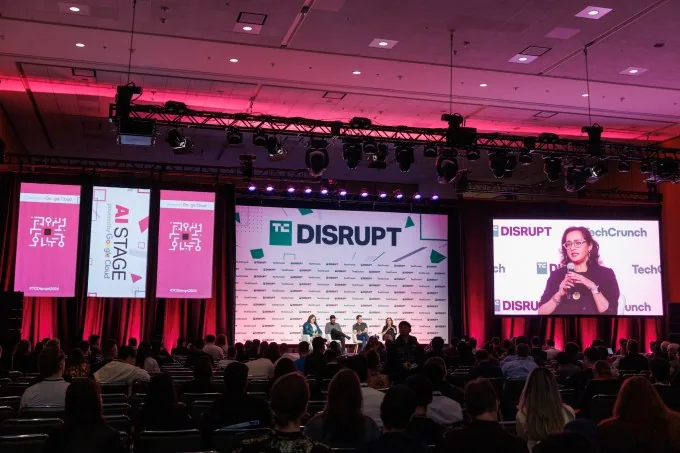
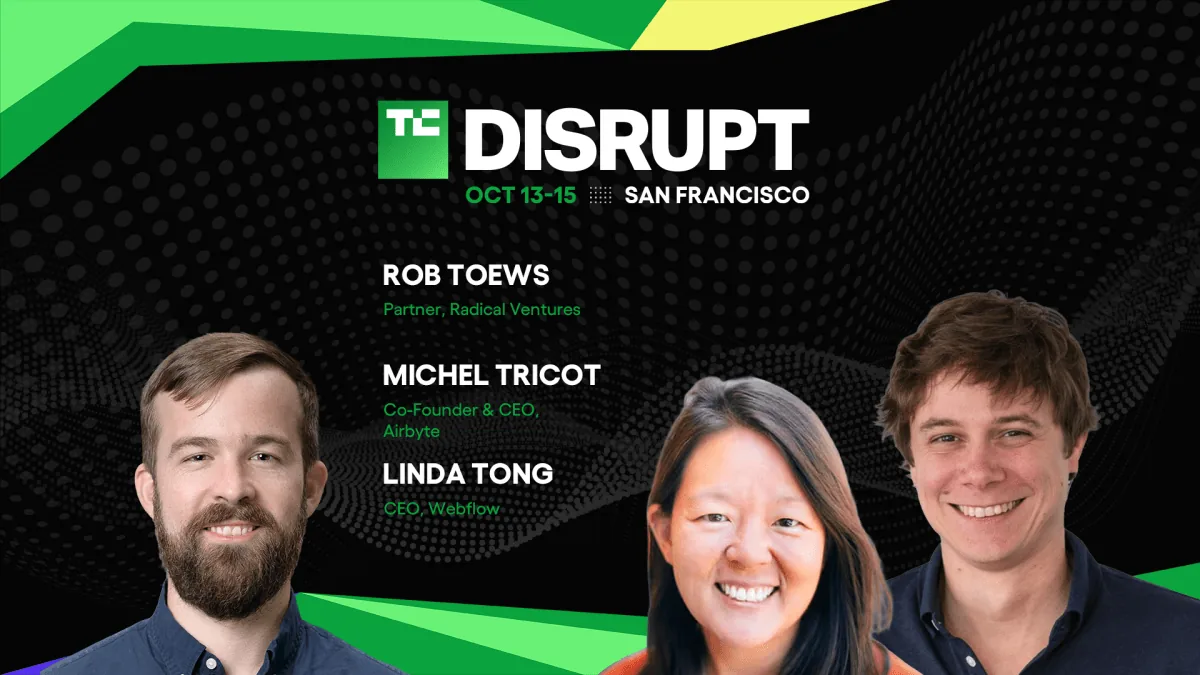
TechCrunch Disrupt 2026 is scheduled for October 13–15 at Moscone West in San Francisco, where the Builders Stage will host an interactive panel titled “What happens when OpenAI ships your roadmap?” Featuring Michel Tricot (CEO & co-founder of Airbyte), Rob Toews (partner at Radical Ventures), and Linda Tong (CEO of Webflow), the session confronts the defining strategic challenge facing AI startups: how to create lasting value when the platform you depend on continuously absorbs your differentiated capabilities.
This is not theoretical—it addresses a structural shift in AI entrepreneurship. Founders once feared competitor startups; today, their greatest risk is watching platform operators integrate their year-long work into a model update via a single release. The question has shifted from “Can we build it?” to “Can we still own it?”
Key硬信息:
- Dates: October 13–15, 2026
- Location: Moscone West, San Francisco
- Session: Interactive dialogue on Builders Stage
- Early-bird discount: Save up to $200 before September 25
- Access: Open to all attendees; no technical restrictions
Platform Creep: A New Paradigm Risk for AI Founders
The panel reveals an underappreciated reality: for AI startups, the biggest threat may not be competitors but the platform beneath you. Rapid evolution of foundation models is rewriting product definition, fundraising logic, and company valuation.
Traditional first-mover advantages erode quickly—the platform can render your year-long differentiation into table stakes via one release. This reshapes strategy across product development, fundraising, and enterprise sales.
The three speakers bring complementary perspectives:
- Michel Tricot (Airbyte): Open-source data integration pioneer serving 7,000+ customers (including 18% of Fortune 500), revealing where durable businesses escape platform capture
- Linda Tong (Webflow): SaaS visual development leader managing SaaS evolution through major tech shifts, with experience at Google, Cisco, and the NFL
- Rob Toews ( Radical Ventures): AI-focused venture partner evaluating startups daily for long-term viability
A notable counterpoint: while foundation models advance constantly, infrastructure-layer companies like Airbyte continue growing rapidly—demonstrating that certain value dimensions (enterprise integration complexity, workflow embed depth) resist rapid platform replication.
The Defensive moat: What truly resists platformization?
The panel identifies four assets platforms cannot easily replicate:
- Proprietary data: Exclusive data sources and closed-loop customer feedback
- Embedded workflows: Functionality deeply integrated into customer business processes
- Customer relationships & trust: Long-established B2B trust networks
- Domain expertise: Industry-specific problem understanding and solutions
This means future AI winners won’t be defined by the smartest models alone—but by everything the models cannot easily replace. The discussion will explore what enterprise and startup buyers continue to value as models converge.
Actionable guidance: How founders at different stages should respond
- Early-stage founders: If your product relies heavily on latest-model capabilities, prioritize data asset moats (unique data sources, feedback loops)—avoid becoming a plug-and-play appendage to model capabilities
- SaaS/B2B companies: Rigorously assess workflow embed depth in your product. If switching costs are low, convert differentiation into custom integration capacity or proprietary data processing logic
- Companies preparing for funding: Investors now prioritize three-year-old value propositions. Clear defensibility rationales outperform model capability demonstrations
ft: The strategic pivot
Foundation model progression is inevitable, but as architect Benedikt Günther noted: “The winners will be those who own the domain layer, not the foundation layer.” This TechCrunch session highlights that AI-era创业赌注 has shifted from model capability races to生态位深度 competition.
Platform capability convergence cannot be stopped—but customer choice logic remains unchanged: buyers purchase problem-solving certainty, not technology itself. This is the enduring foundation for AI startups surviving platformization.