
Summit in Shenzhen: A New Chapter After Werner’s Final re:Invent
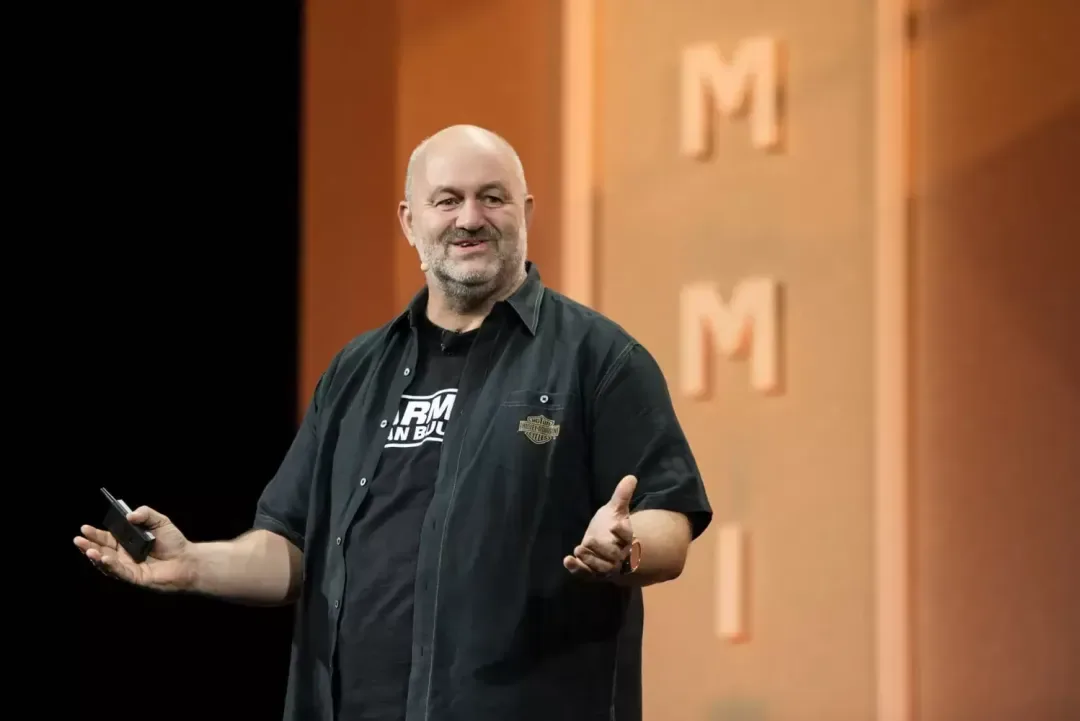
On October 13, 2026, Amazon CTO Dr. Werner Vogels will appear at the AWS Software Enterprise Summit in Shenzhen, delivering the latest technical insights for 2026. This marks his first public appearance in China since stepping down from the main re:Invent keynote stage after 2025. Key event details include: the summit is titled「Startup Accelerator Summit — Path to re:Invent」, co-hosted with Geek Parking (Geek Parking), where Werner will engage in a fireside chat with Zhang Peng, founder of Geek Parking.
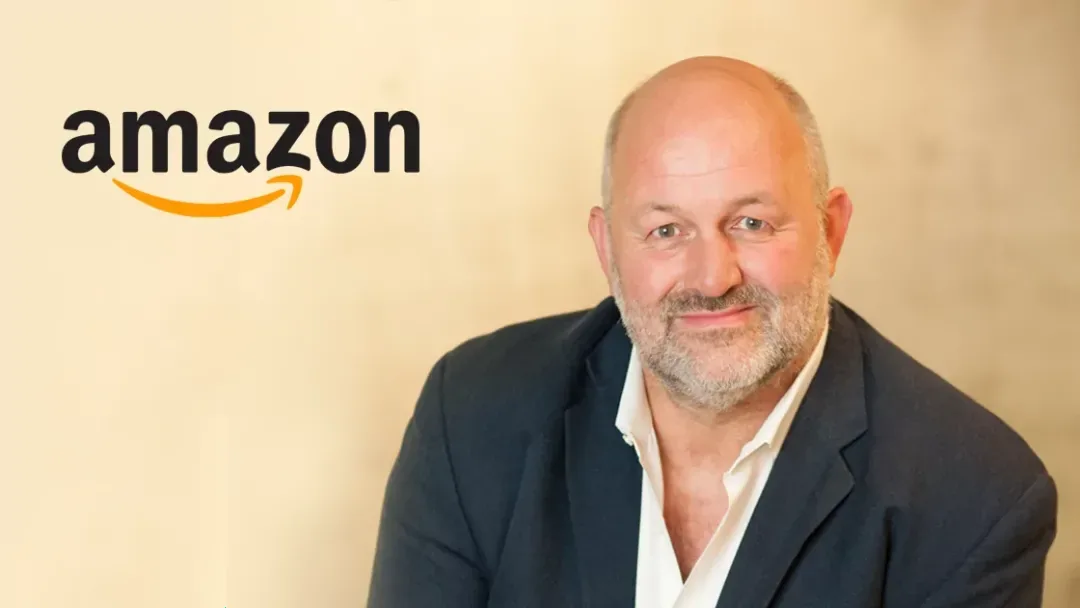
Werner Vogels serves as AWS CTO, having pioneered foundational infrastructure products including S3, EC2, and Lambda. His hallmark philosophy 「You build it, you run it」 has become a standard paradigm for modern cloud-native development.
From Database Outage to S3: Scale Changes Everything
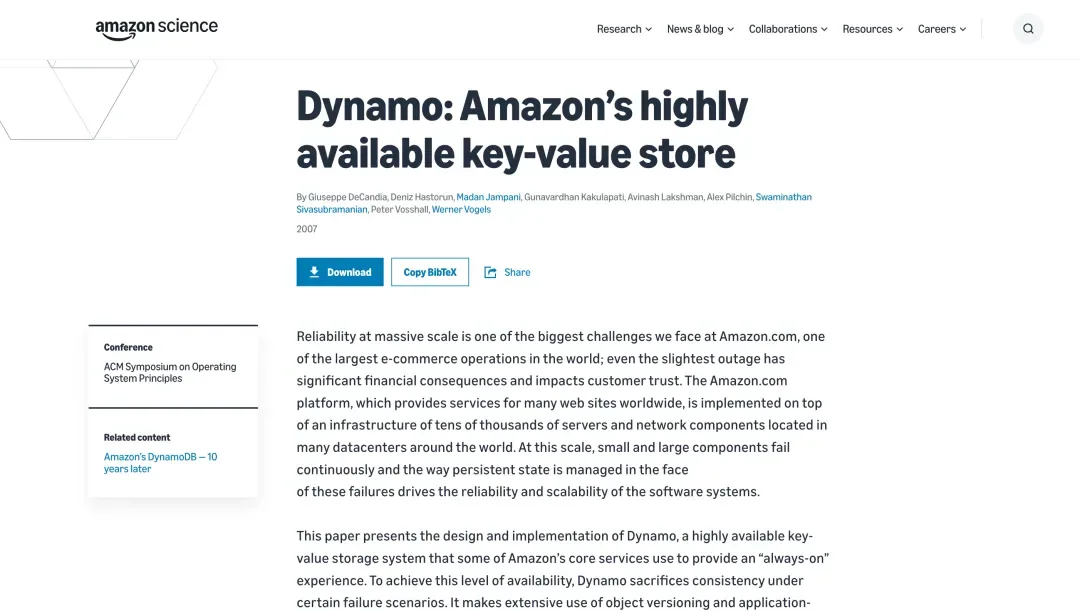
The deeper context traces to Amazon’s 2004 holiday season outage: an Oracle database crashed for 12 hours due to a bug triggered only at extreme scale, exposing a fundamental flaw in legacy database design—simple key-value reads competing for resources with complex queries. This incident directly catalyzed Dynamo’s development, whose paper later influenced Cassanda, Riak, and became DynamoDB’s technical precursor.
A key data point: Vogels initially thought「How hard could a bookstore’s database be?」 upon joining Amazon. Reality showed Amazon had pushed distributed systems to extremes—orders, payments, recommendations, supply chain, and machine learning all faced commercial software failures. This realization that「scale changed, era changed」became AWS’s founding logic.
Vogels’ mentorship under ACM A.M. Turing Award winner Jim Gray was pivotal. Gray advised joining Amazon; two years later, their ACM Queue dialogue corrected the world’s perception:「First and foremost Amazon is a technology company.」
Sacrificing Consistency, Rebuilding S3: The Ultimate Practice of Embracing Change
In 2008, Netflix built s3mper to compensate for S3’s「eventual consistency」—using DynamoDB for extra metadata indexing, effectively layering infrastructure atop infrastructure.
After the ten-year reflection in 2016, AWS eventually refactored S3: GET, PUT, LIST operations now provide strong consistency by default, with no performance or cost penalty. This stems from Vogels’ system design principle:「When systems scale by 1-2 orders of magnitude, reassess architecture. Past correctness does not guarantee continued validity」.
At S3’s 15th anniversary in 2021, Vogels invites core team members Mai-Lan, Bill Vass, and Eric Brandwine for a 4-day, 16-hour live stream, demonstrating AWS’s systemic reflection capability.
From Lambda to Humanitarian: The Dual Mission of Infrastructure
Lambda began from a tiny S3 use case—auto-generating image thumbnails. Previously requiring EC2 provisioning, deployment, and scaling; Lambda lets developers submit code alone, with AWS handling scaling and replacement. This expanded the「You build it, you run it」boundary, freeing developers from hardware concerns.
Humanitarian impact emerged in搜救 Jim Gray’s 2007 disappearance: Vogels deployed AWS Mechanical Turk, mobilizing 12,000+ volunteers to inspect 560,000 satellite images. Though unsuccessful, it demonstrated cloud-enabled mass collaboration. Post-2010 Haiti earthquake, OpenStreetMap volunteers mapped rescue routes using satellite data, illustrating Vogels’「data divide」concept:「People must first be seen by data.」
The「Now Go Build」documentary series captures Vogels’ field visits to agriculture, healthcare, and disaster response, revealing technology’s ultimate purpose: empowering more people.
Technical Adoption Recommendations
Developers should note how AWS evolving infrastructure—from serverless Lambda to DynamoDB to S3—encapsulates complexity as APIs. For enterprises, Vogels’ guidance implies: re-evaluate architecture when scaling 1-2 orders of magnitude, especially regarding consistency and latency trade-offs.
- Startups benefit from Lambda + DynamoDB, skipping infrastructure setup
- Mature enterprises should assess cloud-native compatibility to avoid「shadow infrastructure」
- Researchers should study Dynamo paper and S3 consistency blog for distributed systems tradeoffs
At the End
Infrastructure’s essence is not eternal answers, but knowing when to discard them. Vogels’ 20-year work transformed IT from hardware procurement to API calls, making AWS’s true value the methodology: reassess when scale changes; challenge consensus when warranted. This lesson may matter more than any single product.