
Waymo’s fleet math: 4,000 cars today, 20,000 by the end of 2027
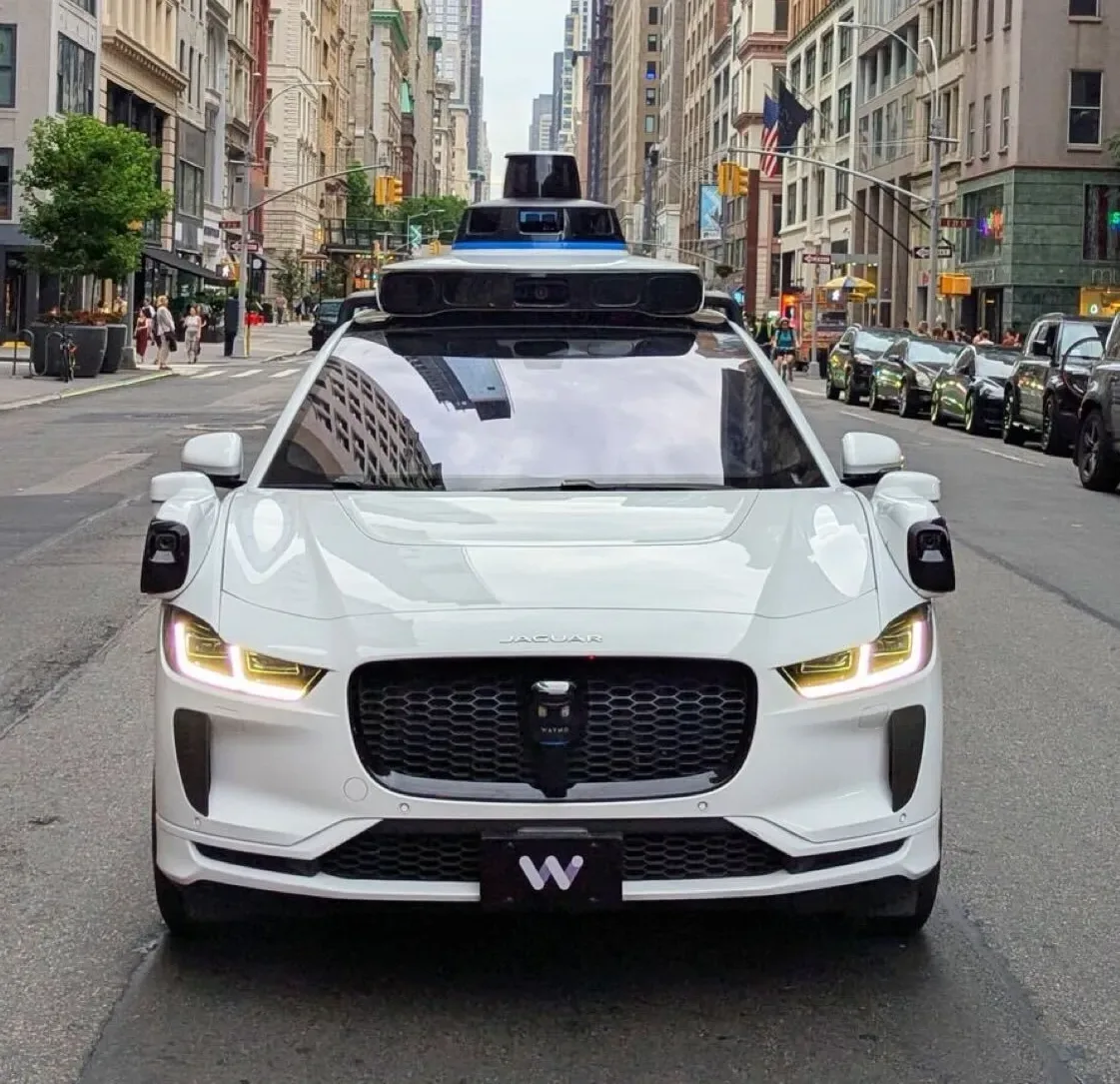
On Oct 20, IT之家, citing a Semafor report based on people familiar with the matter, said Alphabet’s self-driving unit Waymo plans to spend the $5 billion it raised earlier this month to grow its fleet fivefold, to 20,000 vehicles, by the end of next year. The fleet in question is Waymo’s robotaxi service — paid rides booked through an app with no human driver behind the wheel.
The hard facts:
- Today’s fleet: 4,000 vehicles
- End of this year: 8,000 vehicles, a doubling
- End of next year: 20,000 vehicles, or 5x today
- Funding: a $5 billion (about RMB 33.47 billion) loan from PIMCO, Blackstone, Sixth Street and other lenders, taken earlier this month
- Footprint: operating in 15 US cities; London, Tokyo, Singapore and Canada are announced plans only
- Still unclear: the report gives no fares, no launch dates for new cities and no word on licensing its self-driving stack to others
The 5x expansion is debt-funded, not equity-funded
What kind of money this is matters. The $5 billion is a loan, not another equity round — Waymo is borrowing to expand rather than selling more shares. The report says the money will fund expansion in the US and overseas.
The pace is the bigger surprise. By the report’s numbers, Waymo must add 4,000 vehicles in the remaining weeks of this year, then 12,000 more across all of next year. Spread over time, the near-term ramp is actually steeper than the long-term one — the monthly rate before year-end exceeds the monthly rate implied for all of next year.
Then there is the money already raised: a $16 billion equity round earlier this year at a $126 billion post-money valuation. So Waymo took $16 billion from equity investors, added $5 billion of debt, and today has 4,000 cars on the road.
| Timing | Fleet size | Versus today |
|---|---|---|
| Now | 4,000 vehicles | 1x |
| End of this year | 8,000 vehicles | 2x |
| End of next year | 20,000 vehicles | 5x |
All figures in the table come from the Semafor report as relayed by IT之家. The four overseas markets — London, Tokyo, Singapore and Canada — carry only the word “plans”: no timeline, no vehicle quota. The 15 US cities, by contrast, are already live.
Who can act now, who should wait
- Riders in the 15 live US cities: the practical effect is more vehicles available to dispatch in a given city. The checkable milestone is whether the fleet really reaches 8,000 by year-end — a number that can be confirmed or falsified within about two months.
- Readers in London, Tokyo, Singapore or Canada: don’t wait up. The source material offers no launch date, no fares and no coverage areas.
- Industry watchers: watch whether the cars actually get deployed. Fleet expansion is a heavy-asset path, with the money going mainly into vehicles and operations.
Final thoughts
What Waymo handed the market is not a technology milestone but a capacity plan: 4,000, 8,000, 20,000. Funding it with debt rather than equity suggests it cares about avoiding further dilution; yet the real constraint is not money but permits and deployment in new cities. Those four overseas markets remain just plans.