
Key Event at a Glance
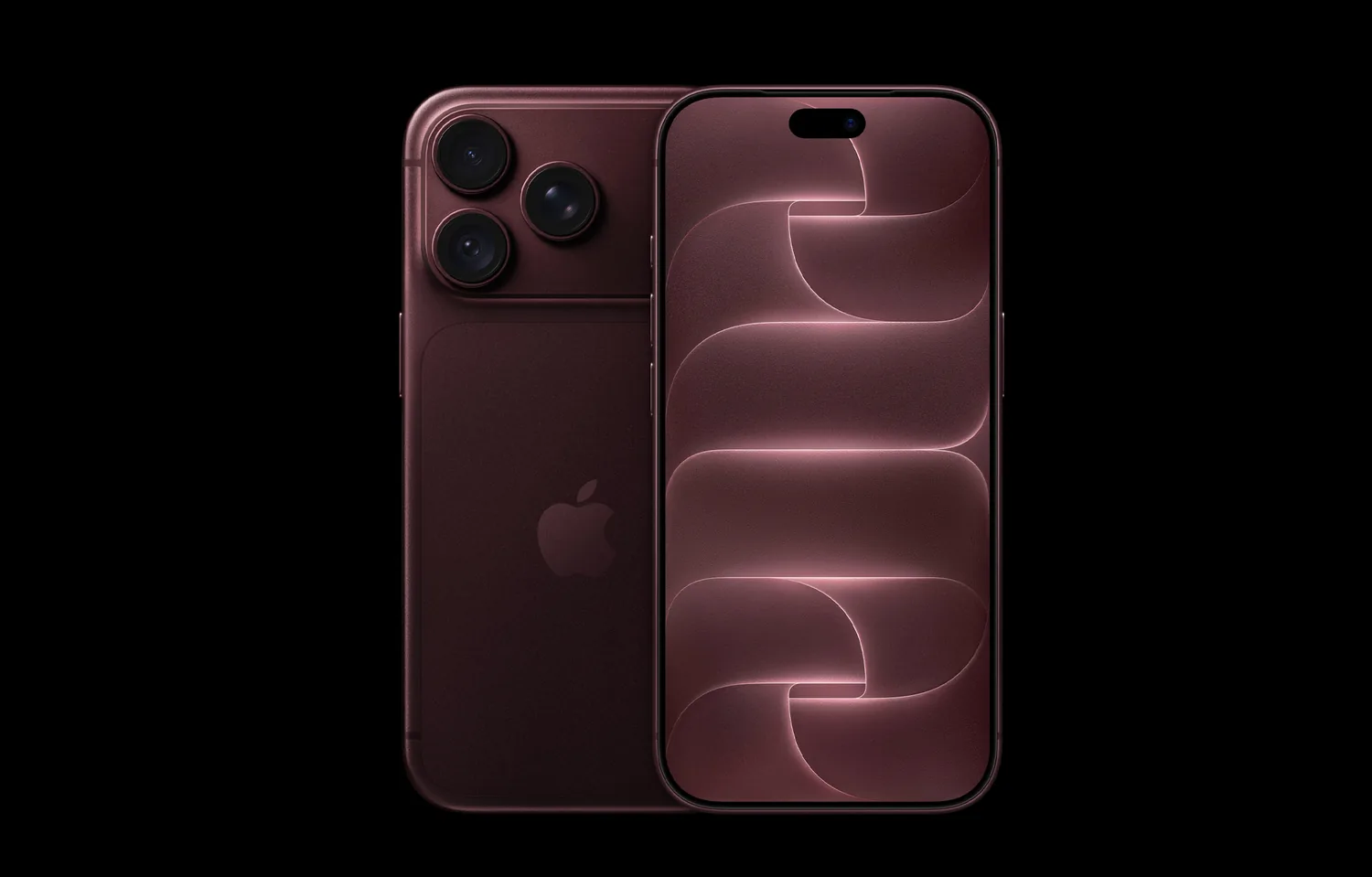
On October 3 Beijing time, Apple officially confirmed that some iPhone 18 Pro Max devices on AT&T’s network are experiencing a severe communications outage, leaving affected users unable to make calls, access mobile data, or send and receive text messages when not on Wi-Fi. Apple has released the iOS 18.0.1 software update and a carrier settings fix, but the only viable solution for already-affected devices is a full device replacement. The carrier settings update will be automatically pushed to AT&T users over the next 14 days, though Apple still recommends that users manually install any available updates immediately to prevent the issue from spreading.
Failure Details and Technical Background
According to Bloomberg, the scope of the failure is not yet clear, but users widely report that the devices essentially lose communications functionality once disconnected from Wi-Fi. Apple said in a statement that this is a known issue affecting “a small number of iPhone 18 Pro Max users on AT&T’s network,” with the specific symptom being a complete loss of service.
The key contrast lies in a hardware configuration difference: The iPhone 18 Pro Max sold in the U.S. market differs from other new models in one respect—it uses a Qualcomm-made cellular baseband chip, while other versions, including the iPhone 18 Pro, use Apple’s in-house C2 baseband. User reports confirm that this failure affects only the iPhone 18 Pro Max model, with no similar issues reported for other new phones. This configuration difference stems from the fact that Apple’s transition to volume production of its in-house baseband chips is not yet complete, so some models in the U.S. market still have to rely on Qualcomm’s solution.
Comparison of Hardware Configurations and Market Strategy

The table below summarizes the baseband differences among Apple’s new iPhones and the corresponding measures:
| Model | Baseband Chip Supplier | Affected by This Failure | Resolution |
|---|---|---|---|
| iPhone 18 Pro Max (U.S. version) | Qualcomm | Yes | Full device replacement |
| iPhone 18 Pro and other models | Apple in-house C2 | No | Software update |
Apple’s response this time is notably urgent: the software update is version 18.0.1, while the carrier settings fix is being deployed via automatic push. Apple advises consumers not to wait for the automatic update cycle and to immediately check for and install available updates to avoid a potential failure.
Practical Advice for Readers
- AT&T users: If you have already experienced a communications outage, contact Apple or an authorized AT&T service provider as soon as possible to replace the device; if the issue has not yet occurred, be sure to update your system immediately. When seeking redress, you can cite the consumer rights provisions regarding device defects under the Sanders Act.
- Users planning to buy the U.S. version of the Pro Max: It is advisable to hold off and wait for Apple to confirm progress on resolving the issue before making a decision; or give priority to other versions and carrier-channel models.
- Enterprise users: For bulk purchases involving AT&T’s network, require suppliers to provide proof of the device’s baseband chip configuration and include terms for returning or exchanging defective devices.
Final Thoughts
This incident highlights a transitional risk in Apple’s in-house baseband chip development—while its high-end in-house solution has not yet been fully rolled out, Qualcomm-supplied versions still carry compatibility risks. For consumers, potential quality fluctuations during new-device launch season will become a standard consideration.