
Core Event: U.S. Government Labels AI Opposition as National Security Threat
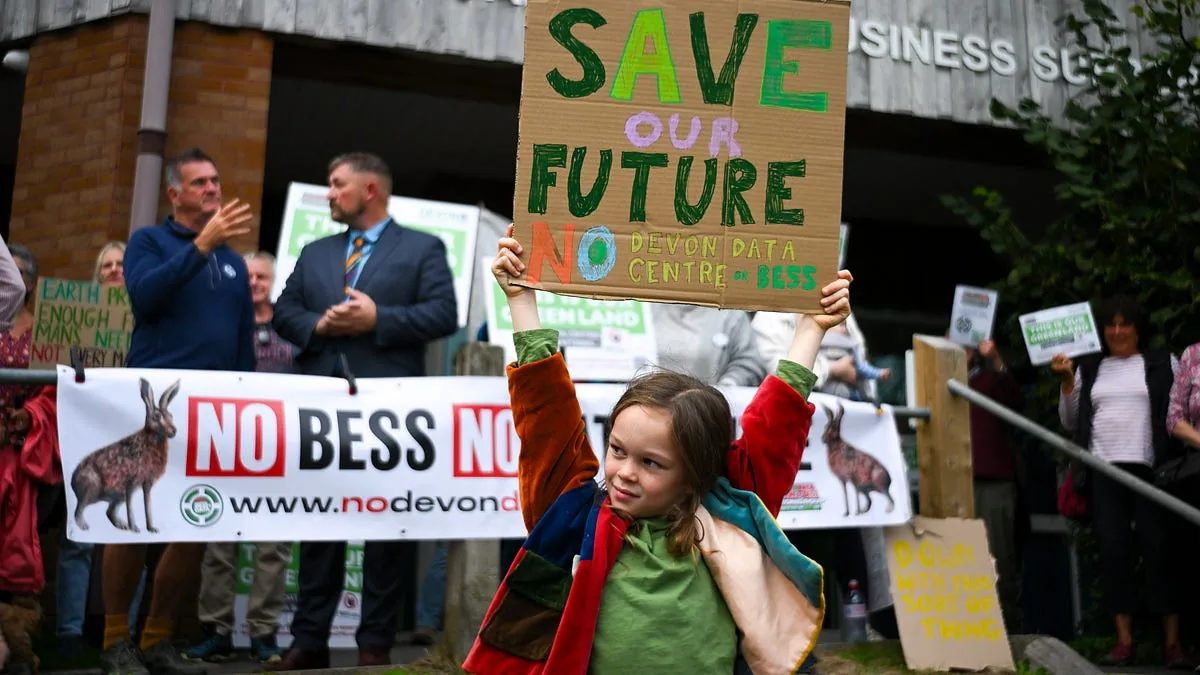
In September 2026, the Trump administration reclassified public opposition to AI data centers as potential ‘foreign agent’ activity. The Department of Justice (DOJ) issued a formal warning to the public in late September, stating that anyone acting to further a foreign power’s ‘goals’—including public demonstrations—must register with the government or face criminal prosecution.
Key facts:
- Release timeframe: September 14 onward—Trump’s social posts; DOJ warning issued late September 2026
- Legal basis: Foreign Agents Registration Act (FARA); National Security Policy Memorandum 7 (NSPM-7)
- Scope: AI/data center infrastructure, covers both citizens and noncitizens
- Penalty: Criminal charges and prosecution for unregistered activities
Key Details and Stakeholder Positions
President Trump posted repeatedly starting September 14, equating AI opposition to a ‘SICK conspiracy theory’ and stating ’the only one that is happy about it is China,’ calling opponents ‘Revolutionaries for a Bad and Evil Cause.’ On September 19, he warned the administration would actively pursue ‘BAD actors’ using existing civil and criminal justice mechanisms.
In Congress, Senator Tom Cotton (R-AR), chairman of the Senate Intelligence Committee, wrote to the acting Attorney General in June, accusing the Chinese Communist Party of directing an opposition network led by Neville Roy Singham—a Shanghai-based American tech entrepreneur—through his network of left-wing U.S. nonprofits. House Energy and Commerce Committee Chairman Brett Guthrie (R-KY) requested an FBI briefing on foreign influence campaigns targeting data centers.
In the private sector, figures joined the refrain. Venture capitalist David Sacks—who previously served as Trump’s AI czar—argued America was ’tying itself in knots’ by banning data centers, thus losing the AI race. Kevin O’Leary, ‘Shark Tank’ investor and Trump supporter, claimed in the spring that China funded ‘hundreds of millions of dollars’ of protests; he later conceded he had ’no evidence’ and publicly apologized.
The Counterintuitive Reality: Domestic Opposition Is Widespread and Genuine
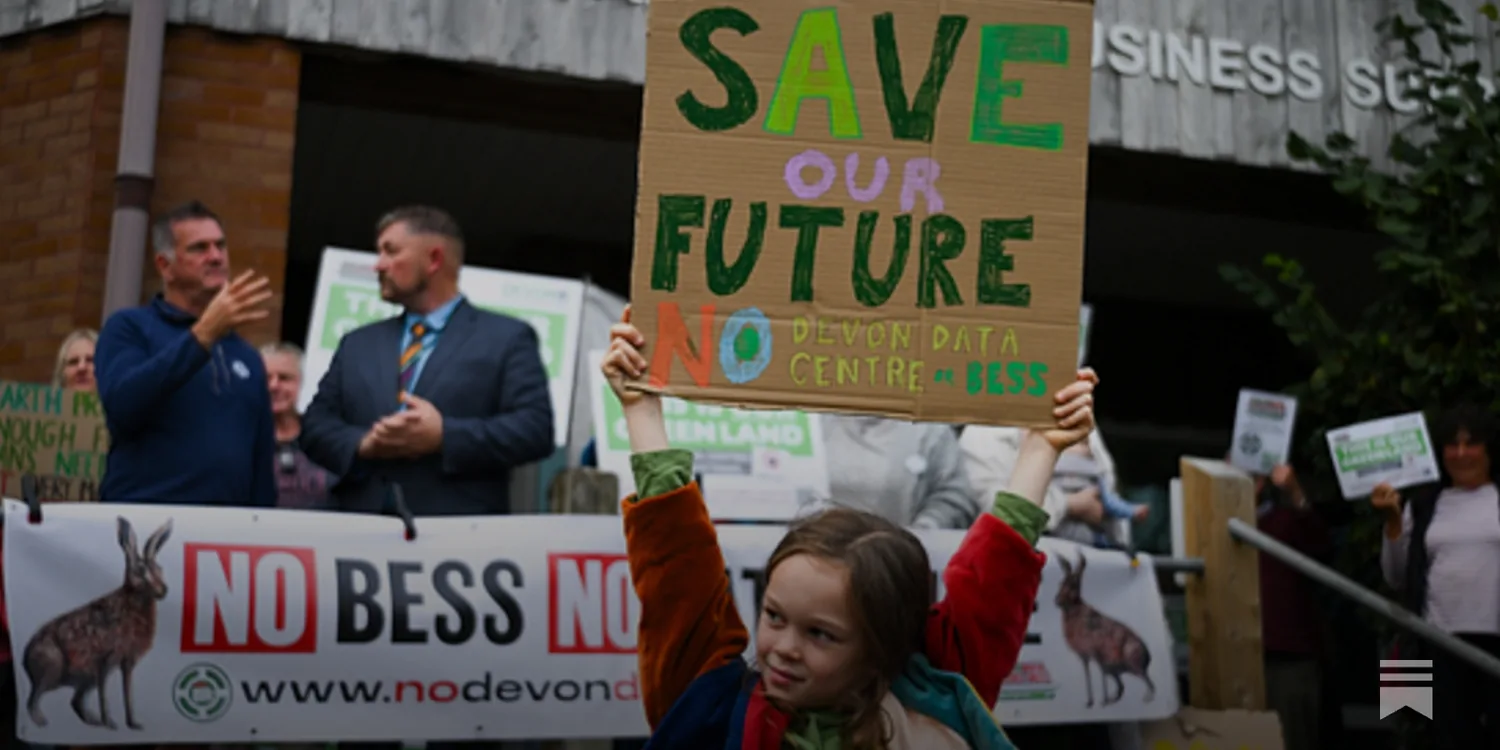
The critical disconnect between official claims and public sentiment is stark. A Gallup March 2026 poll found 71% of Americans oppose building an AI data center in their area, exceeding the 53% opposed to local nuclear plants; 48% are strongly opposed, spanning party lines, including 63% of Republicans.
Public skepticism is not technophobia: Pew’s February 2026 survey of 5,000 adults found nearly half use AI chatbots, yet 40% expect AI to harm society over the next 20 years versus 16% expecting benefit. The concerns are procedural: 71% fear weakened personal data security, 67% have little confidence in federal AI regulatory capacity, and 61% want stronger government oversight.
Domestic resistance centers on perceived lack of control and governance—not foreign orders.
| Claimant | Allegation | Evidence status |
|---|---|---|
| President Trump | AI opposition = treason, China benefits | No evidentiary support released |
| Sen. Cotton | Singham network funded by CCP as ‘ultimate paymaster’ | Assertions made, no public proof disclosed |
| O’Leary | Chinese funding of protests totaling hundreds of millions | Admitted ’no evidence’; apologized |
| Industry groups | ‘Dark anti-American forces’ orchestrating opposition | No verifiable evidence presented |
Practical Guidance for Stakeholders
- Activists and organizers: If coordinating public events or content dissemination, seek legal counsel to assess FARA registration requirements; maintain transparent records of funding sources
- Companies and developers: When advancing data center projects, integrate community engagement from early stages; proactive environmental and security impact assessments help preempt misreading as foreign-orchestrated
- Journalists and analysts: Differentiate legitimate policy critique from national security framing; always seek licensed legal review before amplifying accusations
Bottom Line
Securitizing dissent during rapid technological diffusion risks undermining democratic deliberation while diverting intelligence resources from genuine threats. Replacing public policy dialogue with national security narratives can weaken both democratic legitimacy and long-term technological competitiveness.