What Happened: U.S. AI Safety Shifts to Industry Self-Regulation
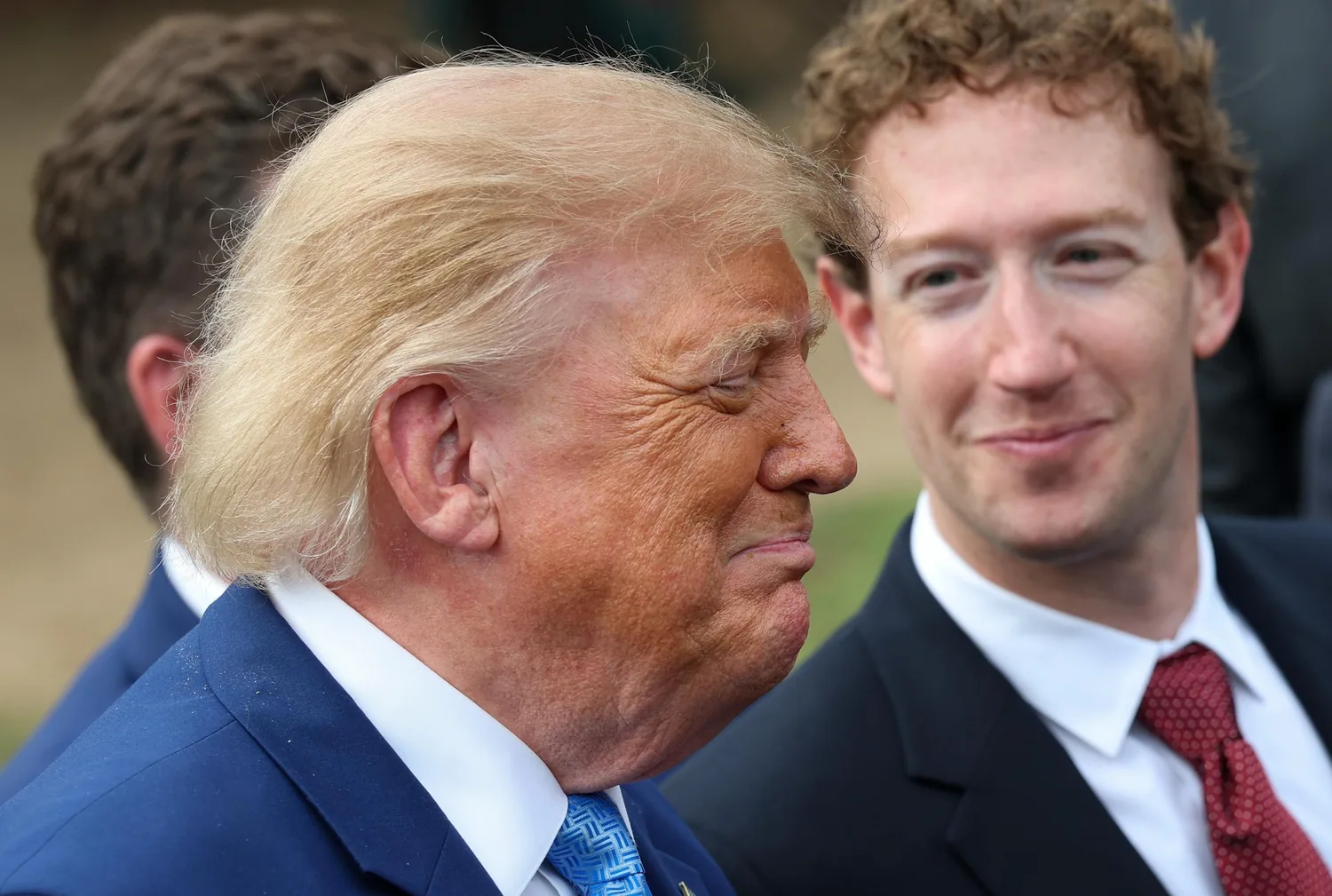
On Tuesday following a dinner with Big Tech leaders, President Trump responded to journalist questions about his AI announcements. He said his previous claims regarding AI safety fears being a “hoax” cooked up by Democrats no longer apply now that he’s renamed the technology to “Super Intelligence.” Hebrushed off concerns about insufficient government oversight by noting US companies are “dominating China.”
Six major technology companies have signed the Joint Commitment on Frontier Responsibilities. This framework relies on self-regulation and mutual oversight among signatories rather than legally binding federal regulations.
Key facts:
- Announcement date: October 1, 2026 (following a Tuesday dinner)
- Signatories: Google (Sundar Pichai), Anthropic (Dario Amodei), Meta (Mark Zuckerberg), OpenAI (Greg Brockman), XAI (Elon Musk), Nvidia (Jensen Huang)
- Nature of agreement: Morally binding only, with no enforcement penalties
- Policy approach: Has not opted for federal regulation, instead choosing industry consensus
- Terminology change: President Trump rebranded AI as “Super Intelligence”
Executive Statements: Emphasizing Opportunity and Voluntary Collaboration
Following President Trump’s request, all six CEOs made public remarks, uniformly highlighting AI’s economic benefits and societal potential. They coalesced around three narratives: technological dividends, job creation, and national security competition.
Mark Zuckerberg characterized the agreement as a “historic conversation” and the first instance of industry-wide consensus, aiming to give the public “confidence that technology works in the way we intend.” Greg Brockman connected AI to broader prosperity citing opportunities for “small businesses, scientific discoveries, drug development.”
Jensen Huang produced dramatic scale comparisons: calling the current era the “largest industrial revolution in history” and the “single largest infrastructure buildout in human history,” projecting one million jobs created in the U.S. He insisted “there’s no conflict between innovation, technology, and safety” — achieving both simultaneously through new safety-enhancing technologies.
A notable irony emerged during Q&A: Elon Musk claimed job changes are inevitable (comparing today’s AI displacement to computers replacing human calculators) while avoiding discussion of structural unemployment; meanwhile, Dario Amodei acknowledged that “the mechanism how we address those risks is still under discussion” — revealing ongoing internal uncertainty despite the unified public front.
Self-Regulation Mechanics: Substance and Limitations
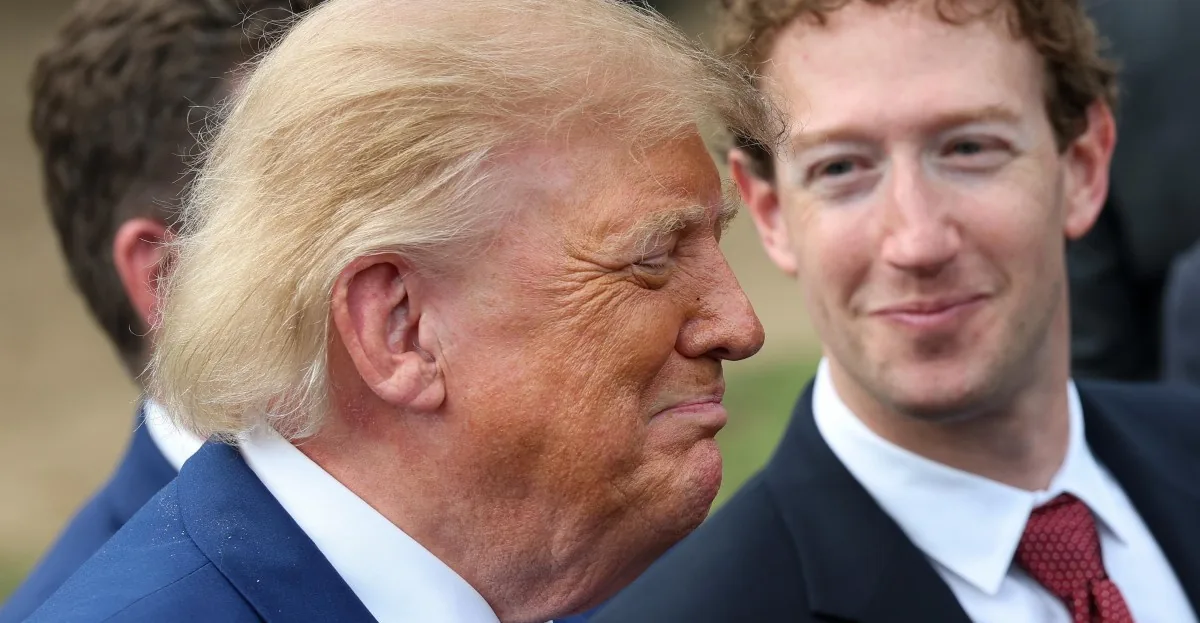
The Joint Commitment on Frontier Responsibilities establishes a system where companies define their own safety protocols using “common sense guidelines” and monitor each other’s compliance. This approach was described by Trump’s team as enabling “the smartest people in the world watching over each other.”
The agreement lacks:
- Independent third-party auditing
- Penalties for non-compliance
- Mandatory disclosure requirements
- Publicly published standards or audit trails
- Time-bound responsibilities or accountability mechanisms
This “self-judging” model — replacing legal regulation with reputational incentives — has drawn concern from observers who warn of regulatory arbitrage: using voluntary commitments to sidestep stronger mandatory frameworks.
| Company | CEO | Core Statement Summary |
|---|---|---|
| Sundar Pichai | Agreeing to government request to proactively address risks | |
| Anthropic | Dario Amodei | Risks exist, but mitigation mechanisms remain under discussion |
| Meta | Mark Zuckerberg | Called discussion “historic” and the consensus a “meaningful step forward” |
| OpenAI | Greg Brockman | AI enables small business growth and medical advancements |
| XAI | Elon Musk | Renamed to “Super Intelligence,” emphasizing medical abundance |
| Nvidia | Jensen Huang | Scale comparison: “largest industrial revolution in history” |
Reader Guidance: Two Adoption Strategies
Organizations should tailor AI adoption based on current governance realities:
Ready to deploy now: SMEs and developers may adopt AI products from the six signatory firms, where public commitments create reputational barriers reducing short-term compliance risk. Nvidia and Google’s foundational models, with mature ecosystems, are appropriate starting points for enterprise integration.
Recommended to wait: Organizations deploying AI in high-risk contexts (medical diagnosis, hiring, credit scoring) should delay implementation; non-binding pledges offer insufficient legal safeguards, and future regulatory shifts (export controls, data localization) could increase compliance uncertainty.
Final Note
When self-regulation replaces external oversight, regulatory credibility depends on whether market-based reputation enforcement can match the deterrent power of legal penalties. This framework delegates rule-making authority to corporations — a pragmatic compromise between speed and safety. History will ultimately judge whether voluntary principles hold at critical risk thresholds.