
Tencent Yuanbao AI Recorder Gets Major Update
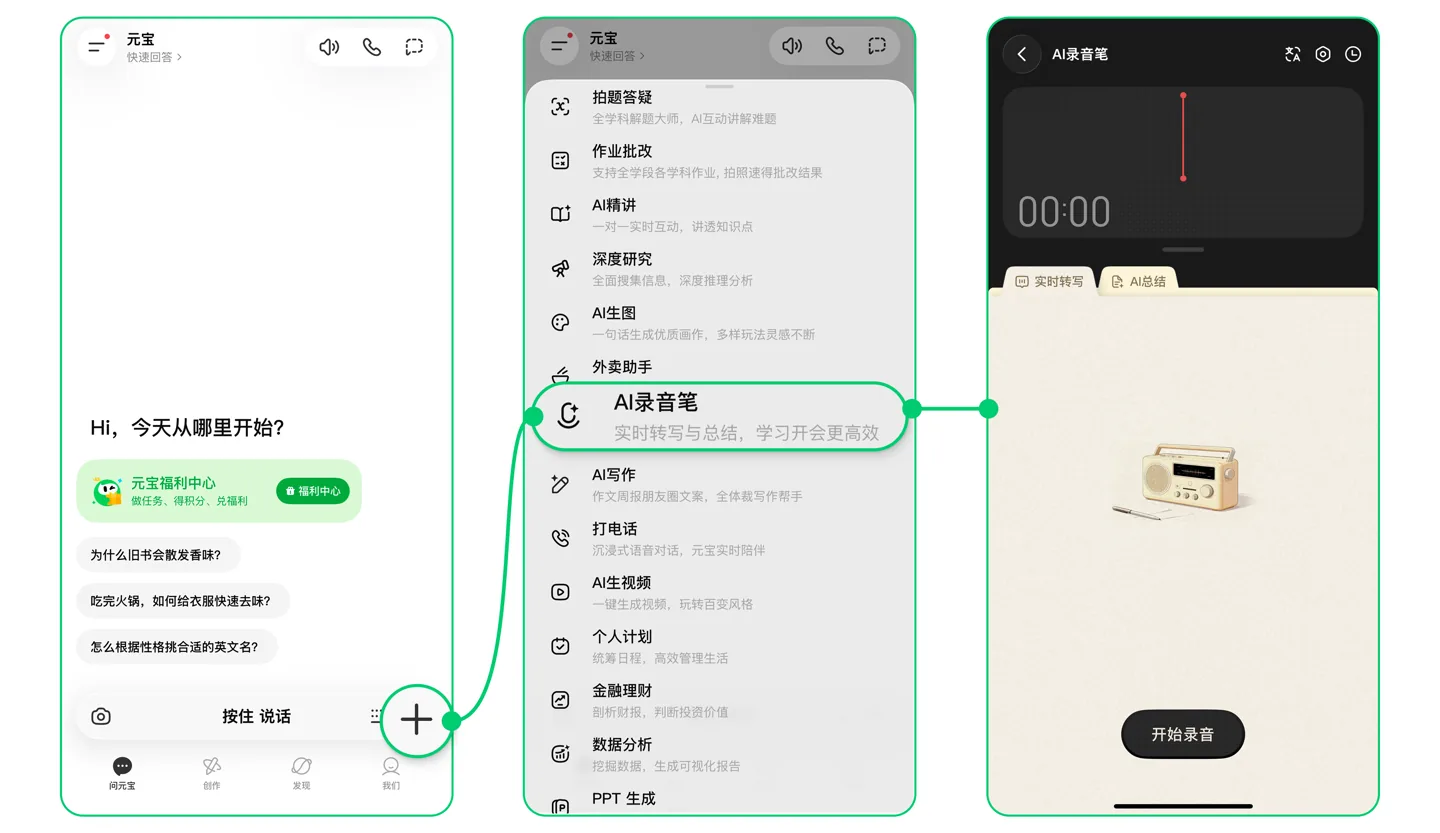
On September 20, 2026, Tencent officially launched Yuanbao App v2.85.0, unveil-ing comprehensive upgrades to its built-in “AI Recorder” feature. This update targets scenarios such as offline lectures, classroom note-taking, and business meetings, introducing several new capabilities:
- New “Record & Snap” feature: capture board content, PPT slides, or handwritten notes while recording;
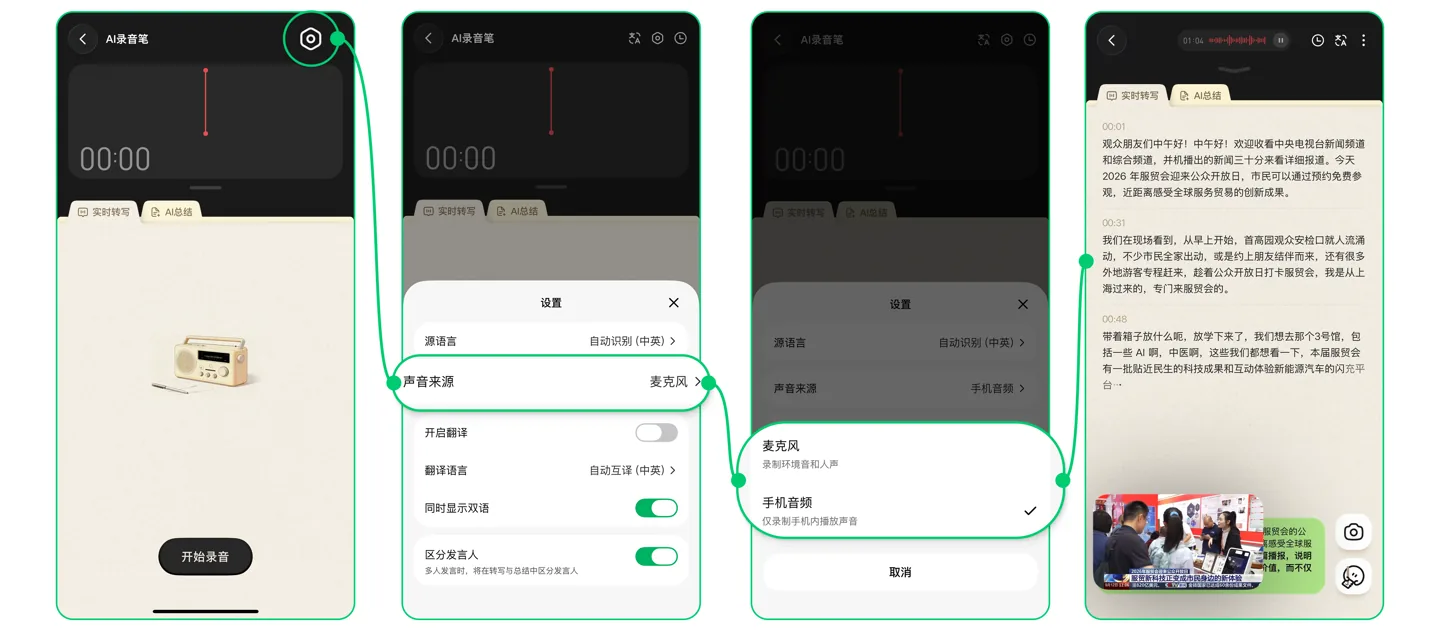
- New in-device audio recording: capture internal device audio streams without external playback;
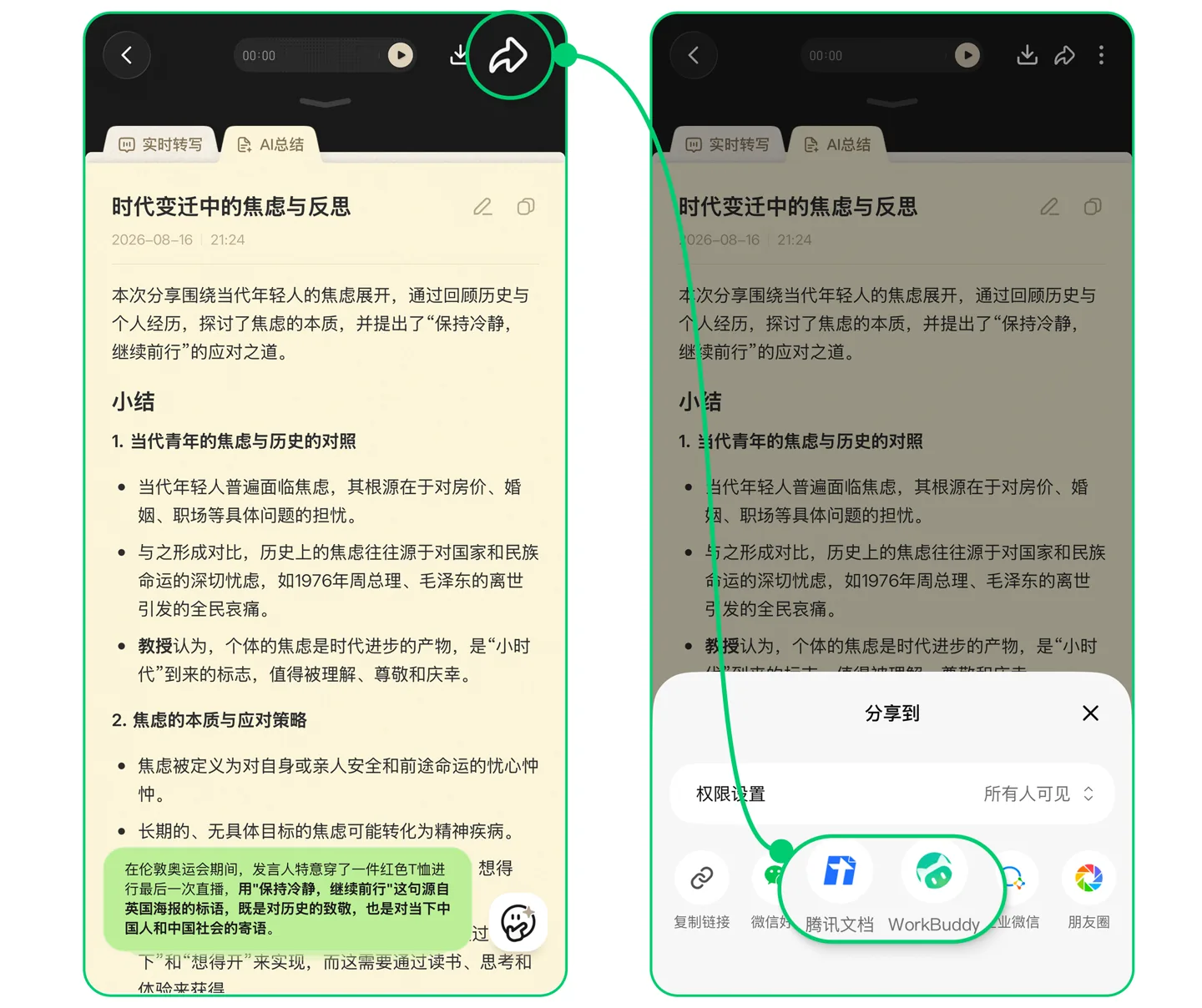
- Enhanced edit support: freely modify AI-transcribed text and AI-generated summaries;
- Seamless sharing integrations: one-tap export to Tencent Docs or sharing to WorkBuddy.
The updated feature set is available immediately upon upgrading to v2.85.0 or later, with the new version rolling out across all major app stores.
Scenario-Driven Design: Eliminating App-Switching Friction
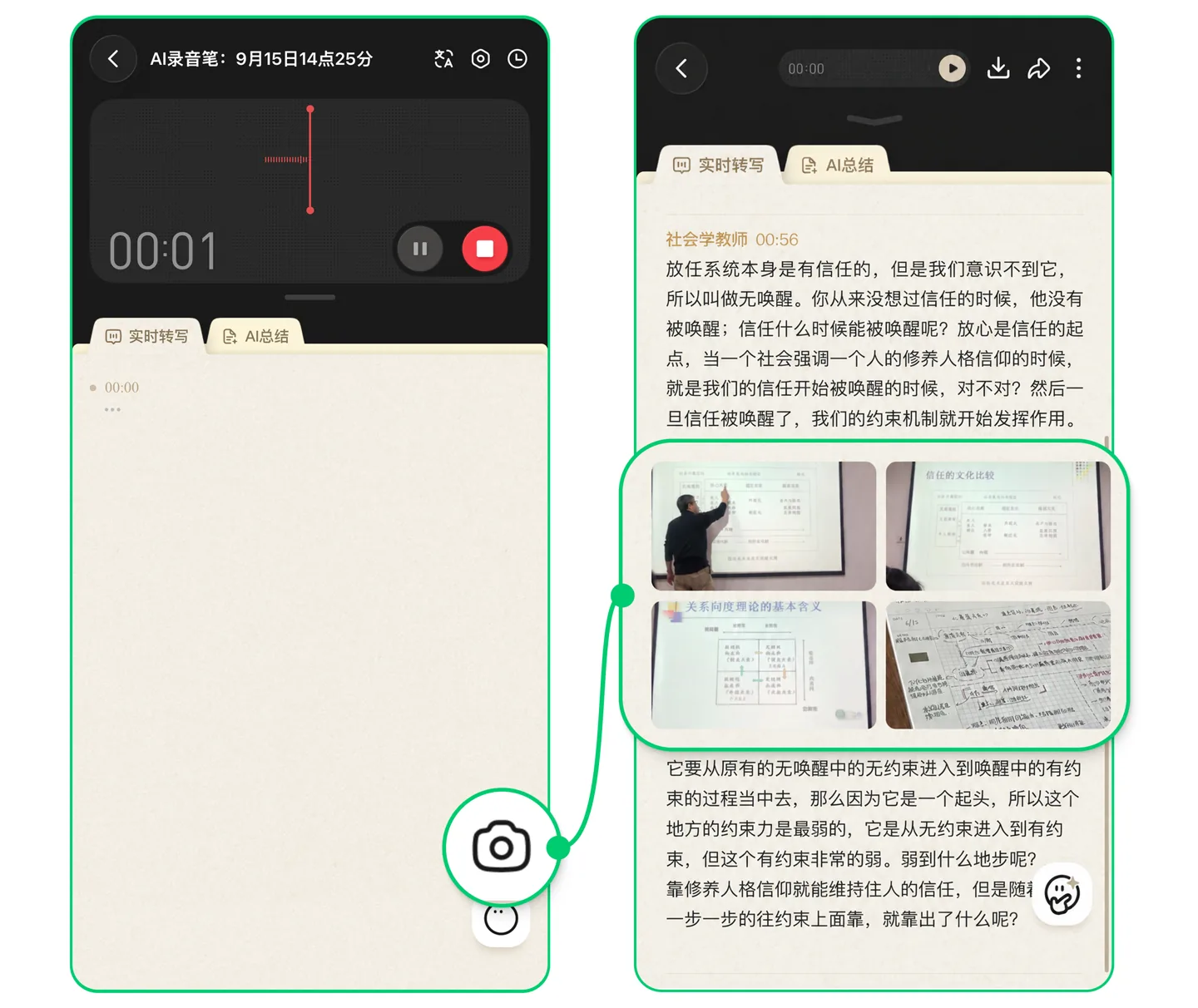
The centerpiece of this update is the “Record & Snap” functionality, specifically designed for offline learning and meeting environments. Users can now snap photos of presentation materials in real time while capturing audio. The transcribed text, AI-generated summary, and captured images are automatically consolidated into a single录音 record. Previously, users had to manually switch between photo galleries, audio files, and document apps to organize materials; now, all core information appears in one formatted view, streamlining the post-session review process.
In-device audio recording represents another key technical distinction. Prior audio capture tools typically relied solely on the device microphone to sample external sounds. This update enables Yuanbao to intercept internal audio streams directly from the system level. Consequently, users can record training videos or virtual meetings without enabling speaker playback—eliminating background noise and preserving audio clarity, a capability not universally available among competing voice recorders.
Function Integration: Embedding AI in Tencent’s Productivity Pipeline
The v2.85.0 release also deepens integration with Tencent’s productivity suite. After recording, users can choose two collaborative pathways:
- Export to Tencent Docs: instantly create a shared document for collaborative editing;
- Send to WorkBuddy: trigger AI-powered content generation, including outline drafting and presentation creation.
WorkBuddy serves as the “AI content orchestrator” in this workflow, transforming structured meeting outputs into reusable business deliverables. The app retains manual verification capabilities, allowing users to edit any AI-generated text to ensure accuracy before distribution.
Practical Guidance: When to Upgrade
- Install now if: your routine involves attending in-person lectures, business meetings, or consolidating online learning materials;
- Wait for later updates if: your existing WorkBuddy pipeline heavily relies on diagram-specific features (e.g., knowledge mapping), and you need explicit confirmation of backward compatibility.
Closing Thoughts
Voice recorders, once simple utility tools, are evolving into multimodal data aggregators. Tencent’s integration of in-device capture, multi-modality consolidation, and productivity toolchains signals a shift—efficiency gains are increasingly driven by end-to-end workflow optimization rather than isolated feature enhancements.