A founder conference that puts the brakes on the agenda
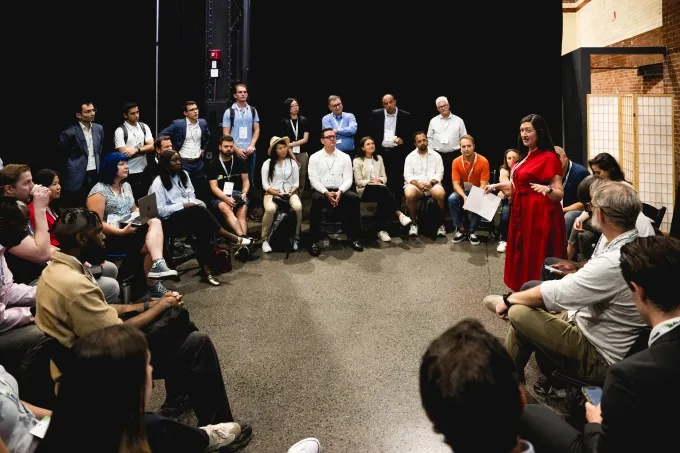
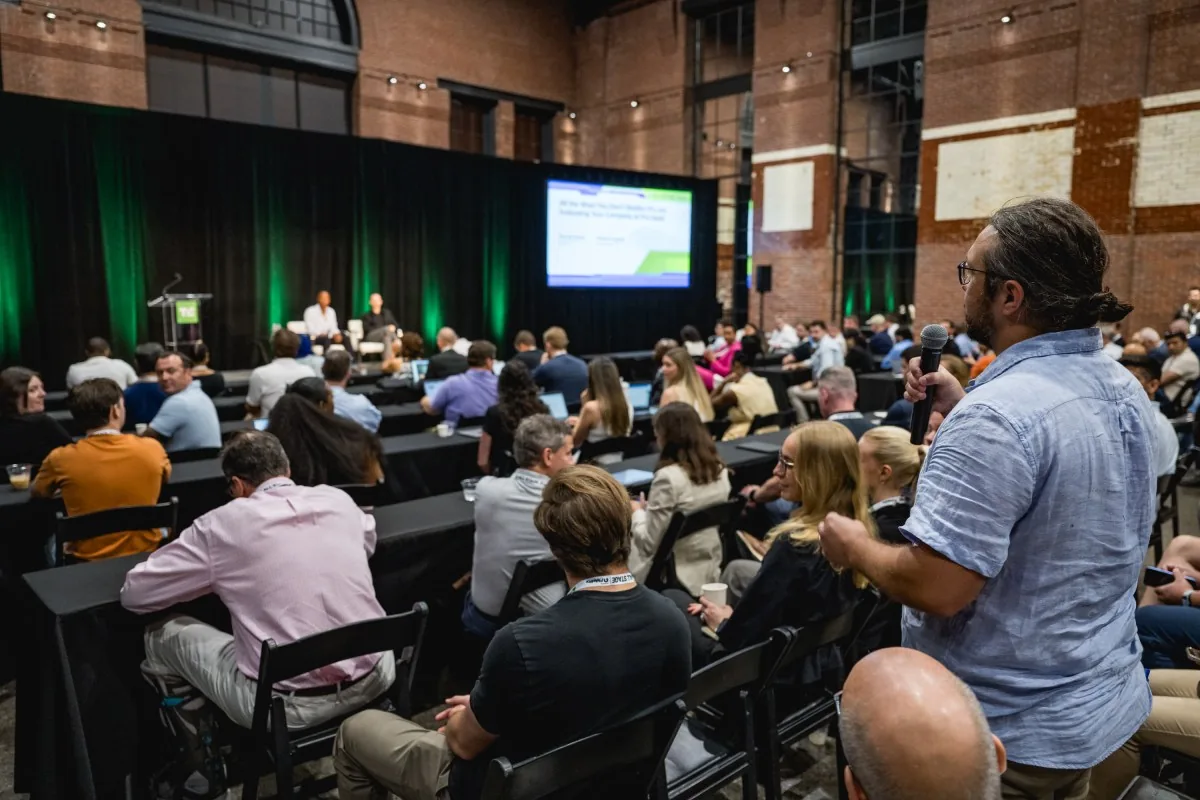
TechCrunch will hold its Founder Summit 2026 on November 4 at SoWa Power Station in Boston, the publication announced on October 23 — a little over a week before doors open. The full-day event is hosted by TechCrunch in partnership with Fidelity Private Shares.
The verifiable details are narrow, because this is an event announcement rather than a product launch:
- Date: November 4, 2026, full-day program
- Venue: SoWa Power Station, Boston
- Tickets: 25% off current pricing, plus a limited buy-one-get-one offer
- Format: keynote conversations, practical sessions, small roundtables, a live pitch contest and a closing reception
- Scope: TechCrunch says the agenda goes beyond fundraising and AI to cover finding customers, building teams, sharpening a pitch, founder leadership and scaling outside traditional startup hubs
From Toast to Bessemer: one question per speaker
Steve Fredette, president, co-founder and director of Toast, takes the Impact Stage for “Building a Company That Keeps Reinventing Itself.” Toast is the local proof point: a Boston startup that found product-market fit, won customers and became a public company — and, per the program, still has to evolve as customer expectations and technology shift.
Kent Bennett of Bessemer Venture Partners leads “Finding Product Market Fit Before You Scale,” aimed at the signals that matter before adding headcount or accelerating go-to-market. Rudina Seseri, founder and managing partner of Glasswing Ventures, follows the same tension in “When to Scale and When to Hit the Brakes.”
Lior Div, CEO and co-founder of 7AI, draws a line in “Built for AI From Day One” between bolting AI onto an existing process and building a company around it from the start. Chase Garbarino, CEO and co-founder of HqO, offers “The Boston Founder Playbook” on talent, customers, capital and community outside the Bay Area.
Dave Balter, venture partner at True Ventures and CEO of Edisyl, argues in “Your Pitch Has to Earn the Next Conversation” that a pitch does not need to close a deal — it needs to buy another meeting. The afternoon puts that to the test on the Build Stage, where founders pitch live before Balter, Chirag Shah of Define Ventures and Simran Suri of Maveron.
The rest of the program includes Hunter Worland of NEA on distribution as a startup’s next competitive advantage, Vineet Edupuganti of Cogent Security on building 10x teams and Tina Tosukhowong of TDK Ventures on the hidden signals that identify category winners. Fidelity Private Shares brings Kristen Craft on fundraising trends and Evan Schnidman on enterprise relationships.
The counterintuitive part: telling founders to slow down
A tech-media conference usually sells growth and AI. This agenda leads with restraint: confirming product-market fit before scaling, and knowing when not to scale at all. TechCrunch frames it as a counterpoint to startup culture’s constant pressure to move faster — growth is exciting, growing too early is expensive, and sometimes the smartest next move is checking that the foundation exists.
The second reversal sits in Div’s session: AI as an architectural and operating premise for the whole company, not a feature layered onto an old workflow. The two sound similar and behave nothing alike.
Who should go, who should wait
- Worth it if you are an early-stage founder standing at the hire-more-or-wait fork, if you are rehearsing a pitch and want to watch investors react in real time, or if you are building in Boston and New England, where the local talent and customer network is the practical draw.
- Skip it if you are looking for product launches, model specs or funding numbers — this program will not supply them. Outside Boston on a tight budget, the post-event write-ups are the better trade.
The bottom line
Putting “when not to scale” ahead of “how to scale” is itself a statement. For young companies, judgment is scarcer than speed. Whether the sessions deliver reusable detail rather than encouragement is the thing to judge afterward.