
Disrupt 2026 Day 2: The Agenda Is Almost Entirely AI
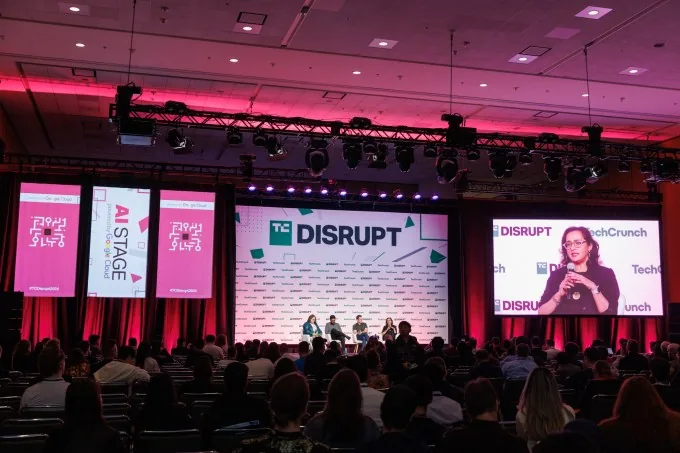
On October 14, TechCrunch Disrupt 2026 entered its second day at Moscone West in San Francisco. The official framing was blunt: the day’s main thread spans every layer of AI, plus a closed-door session exclusively for investors. Here are the key facts:
- Time and location: October 14, Moscone West; on-site registration and badge pickup from 8:00–17:00 PT in the ground-floor lobby
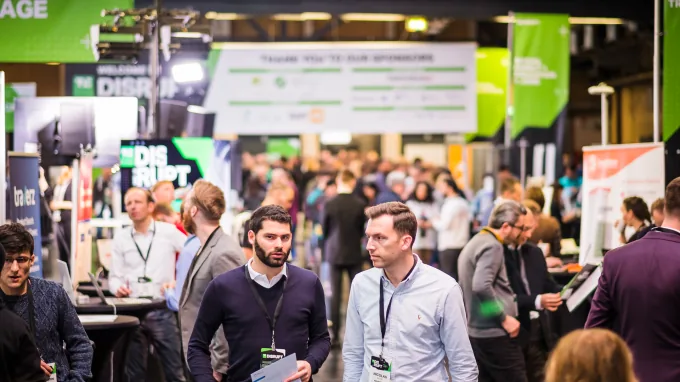
- Expo area: Second floor, 8:00–17:00, with more than 300 startups alongside tech partners and solution providers
- Scale of participation: Organizers put attendance at more than 10,000 founders, investors, startup teams, and technical leaders, with an AI-powered matchmaking system
- Tickets: On-site passes are sold at 50% off the original price; Expo+ Pass covers the expo area and networking, while conference passes are required for stage sessions, roundtables, and Q&A sessions
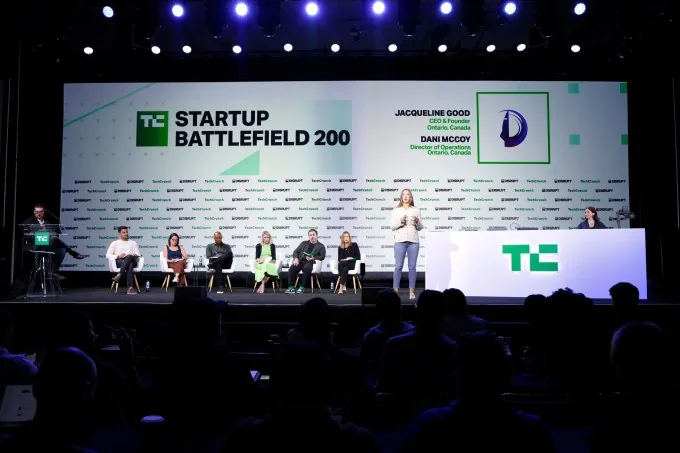
- Competition: Startup Battlefield 200 that day focused on health tech and life sciences, enterprise, and security, with finalists competing for a finals spot and $100,000 in equity-free funding
Three Main Threads in the Agenda
Spread out the day’s stage lineup, and AI isn’t the only label—but almost every label hangs on AI. Speakers include Nvidia, Waabi, Flock Safety, Ricursive Intelligence, and all partners at Benchmark—a collective appearance that is not common at comparable events, with five partners sharing the Disrupt stage to discuss their investment thinking. The day also featured a Pitch Showcase rapid-fire pitch stage and roundtable Q&A sessions, and nearly every session left time for live questions.
The three main threads were roughly as follows:
- AI enters the physical world. The Real World AI stage discussed deploying robots in real environments, with live robot demos including Agility Robotics’ Digit and Hello Robot’s Stretch. Raquel Urtasun of Waabi, Les Karpas of Nvidia, and Mikell Taylor of General Motors were all on this track.
- AI collides with security and cost. On the AI stage, sessions on agent security, who can read agent prompts, and enterprise AI safeguards appeared densely, with speakers from Okta, Hugging Face, AWS, and Databricks. Another session put the number right in its title: “The $63 Billion Reason to Scale Storage for Your AI Stack.”
- Rewriting business models. The Builders stage covered rewriting SaaS, “How Companies That Don’t Build AI Win,” and how AI is creating the tech industry’s next job category.
There’s a bit of a contrast in scale: the biggest number used in a stage title is $63 billion, while the most-watched startup competition prize at the same event is $100,000. The former is the narrative around AI infrastructure spending; the latter is what most teams in attendance are actually competing for.
Another notable point: among the day’s AI topics, there weren’t many sessions purely about “how much stronger model capabilities got.” More were about deployment, security, storage, cost, and organizational division of labor. In other words, the agenda assumes “the models are good enough” and discusses how to plug them into real business.
How to Choose a Pass
The organizers’ logic for choosing is actually quite clear:
| Pass type | What it grants access to |
|---|---|
| Expo+ Pass | Expo floor access, on-site networking, and matchmaking |
| Eligible conference passes | Stage sessions, interactive roundtables, and Q&A sessions |
Both are sold at 50% off the original on-site price. The price difference buys content density, not venue access.
Who Should Go, and Who Should Wait
- Worth attending: Enterprise technical leaders evaluating options or looking for vendors—more than 300 exhibitors can be compared in person; early-stage founders and teams currently fundraising—investor density is high, and the live Startup Battlefield pitches are themselves a model for fundraising presentations.
- Better to wait: Those who only want to hear frontier model announcements. The day’s agenda centered on implementation and governance, not product launches; if you’re expecting parameters and benchmark scores, the day’s content probably won’t be to your taste.
Final Thoughts
Day 2 of Disrupt felt like a sampling of industry sentiment: the AI conversation is shifting from “what can it do” to “how do we do it safely, cheaply, and reliably.” The fact that an investor closed-door session and the startup competition ran in parallel on the same day shows the sieve between capital and product is still tightening. For ordinary tech readers, the value of this kind of agenda isn’t what was said onstage, but what it reveals about what the industry is really anxious about right now.