
Core Developments
Manus 2.0:
- Release date: September 28
- New features: Agent runtime framework Cascade, standalone app Cue, desktop workspace Manus Studio
- Performance: 23.2% fewer tokens used, 28.2% faster execution in internal tests
- Availability: Cloud computing purchased separately; Cue available for mobile/desktop
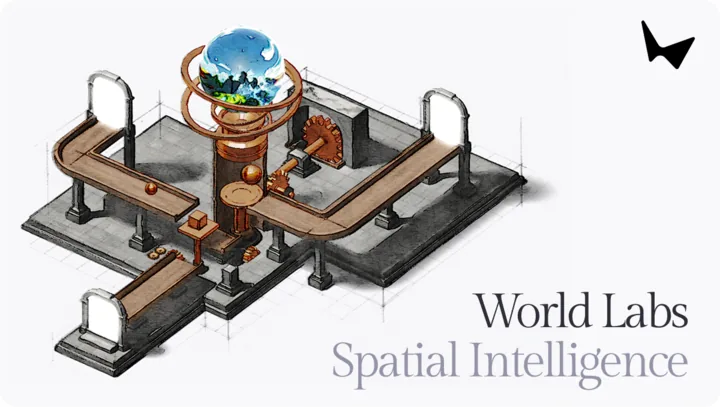
AMD Acquires World Labs:
- Valuation: $8.2 billion in stock
- Expected closing: End of 2026, pending regulatory approval
- Li Feifei’s role: EVP and Chief Scientist at AMD, reporting to CEO Lisa Su
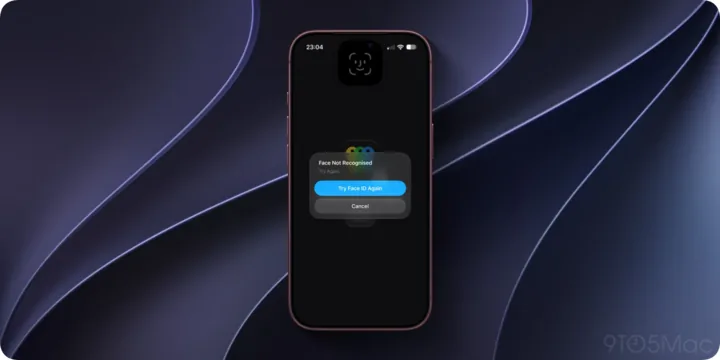
iPhone 18 Pro FaceID Fix:
- Patch version: iOS 27.0.1 (September 28)
- Issue: FaceID verification hangs followed by unexpected reboot
- Scope: Affects protected app unlocking (e.g., “Password” app); screen lock unlock appears unaffected
Other Updates:
- Anthropic Claude Sonnet 5.5: Over 30% faster output, API identifier
claude-sonnet-5-5 - SpaceX Starship Flight 14: First successful orbital insertion, deploying 26 Starlink V3 satellites
- Anthropic Claude Sonnet 5.5: Over 30% faster output, API identifier
Key Details and Surprising Data Points
Cue’s Identity-Centric Architecture Stands Out: Manus preinstalls Cue, enabling users to assign separate email, phone number, wallet, and computer to each agent—handling messages, calls, and budgeted payments. This novel design enforces identity isolation but introduces new complexity in managing multiple credentials, potentially creating new privacy attack surfaces.
SpaceX’s Single-Engine Orbital Insertion: During ascent, one Raptor engine shut down early. Flight controllers chose to proceed with the remaining engine, successfully completing orbital insertion and satellite deployment. This demonstrated remarkable system resilience under non-nominal conditions.
Strategic Rationale Behind the Acquisition: AMD’s $8.2B acquisition aims to integrate spatial AI modeling capabilities directly into its silicon development pipeline. World Labs specializes in generating interactive 3D environments from text, images, and video. AMD states the move enables chip teams to better understand computational demands of future AI workloads—marking a major hardware player’s entry into the emerging “world model” domain.
Product Comparison
荣耀 Magic9 Series Specifications
| Model | Screen Size | Chip | Rear Cameras | Battery | Charging | Starting Price |
|---|---|---|---|---|---|---|
| Magic9 Pro Max | 6.8" | Snapdragon 8 Gen 6 Ultra | 2×200MP | 8800mAh | 100W wired / 80W wireless | ¥6,499 |
| Magic9 | 6.37" | Snapdragon 8 Gen 5 Ultra | 2×200MP | 8000mAh | 100W wired | ¥4,999 |
| Magic9 Ultra | 6.81" | Snapdragon 8 Gen 5 Ultra | Not specified | 11000mAh | 80W wired | ¥4,499 |
智界 RX Series Pricing
| Model | Starting Price | Powertrain | Key Features |
|---|---|---|---|
| 智界 RX | ¥259,800 | BEV | 800V architecture, 896-line LiDAR |
| 智界 R7 Refresh | ¥239,800 | BEV | Up to 855km CLTC range |
| 享界 V8 | ¥329,800 | BEV / range-extended | 830km battery, rotating rear seats |
recommendations for readers
- Try now if: You’re a developer prioritizing high-frequency API usage on a budget; Anthropic’s Sonnet 5.5 offers 30%+ speed gain without higher token pricing, while OpenRouter’s unnamed Space Bunny model delivers free pre-launch access with 4T daily tokens.
- Wait if: Your iPhone 18 Pro works normally—delay iOS 27.0.1 upgrade until post-update stability reports emerge; or if complex multi-identity workflows are critical to your use case, consider awaiting future Manus versions.
Final Thoughts
Hardware giants are moving vertically up the stack. AMD’s acquisition, Huawei’s open training code, Xiaomi’s MiMo team promotion, and Huawei’s self-driving car rollout all signal a strategic shift beyond chips or devices toward integrated AI systems. Whether this enables or fragments the ecosystem depends on cross-platform compatibility—initially, tighter integration may mean vendor lock-in.