
Key Announcement: Native Windows Port of ‘Super Mario Bros. Wonder’ Demonstrated
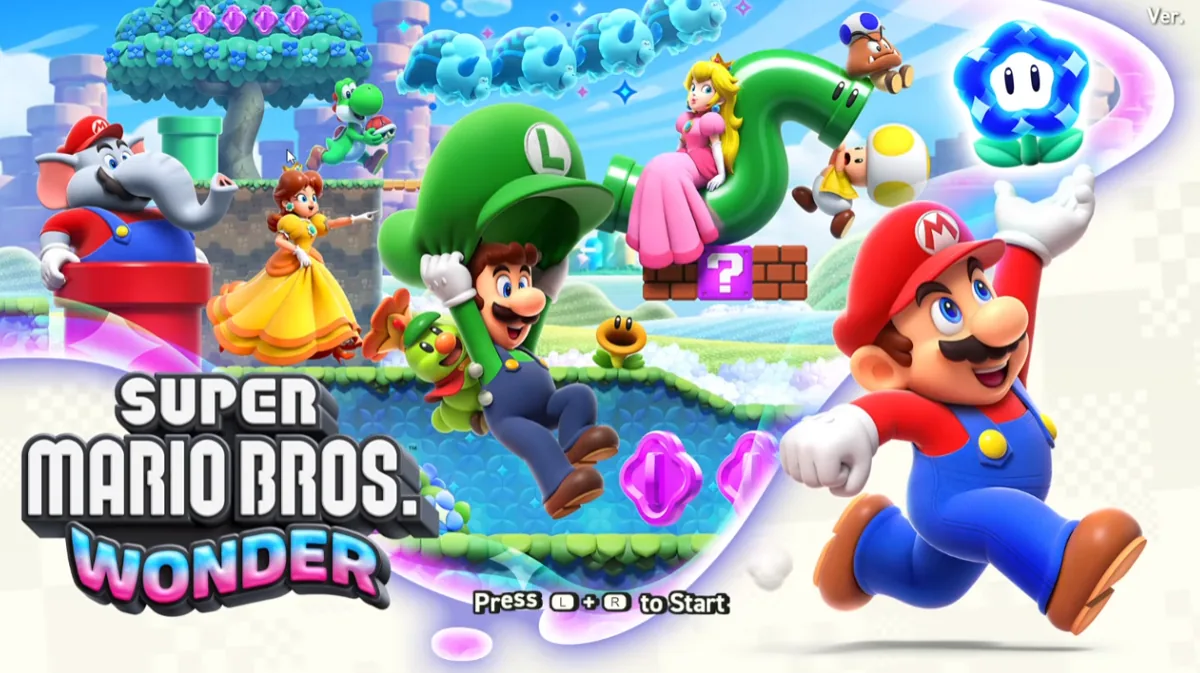
- Demo Date: Early October 2026 (reported by IT之家 on October 6)
- Target Platform: Windows (NVIDIA RTX 3050 laptop)
- Frame Rate: Stable ~60 FPS
- Emulation Used: No—native execution
- Open Source Plan: Developer will release private codebase (including recompiler, NVN→Vulkan layer, NVN documentation)
- Game Files: Developer explicitly stated not to distribute any game files
Technical Implementation and Execution
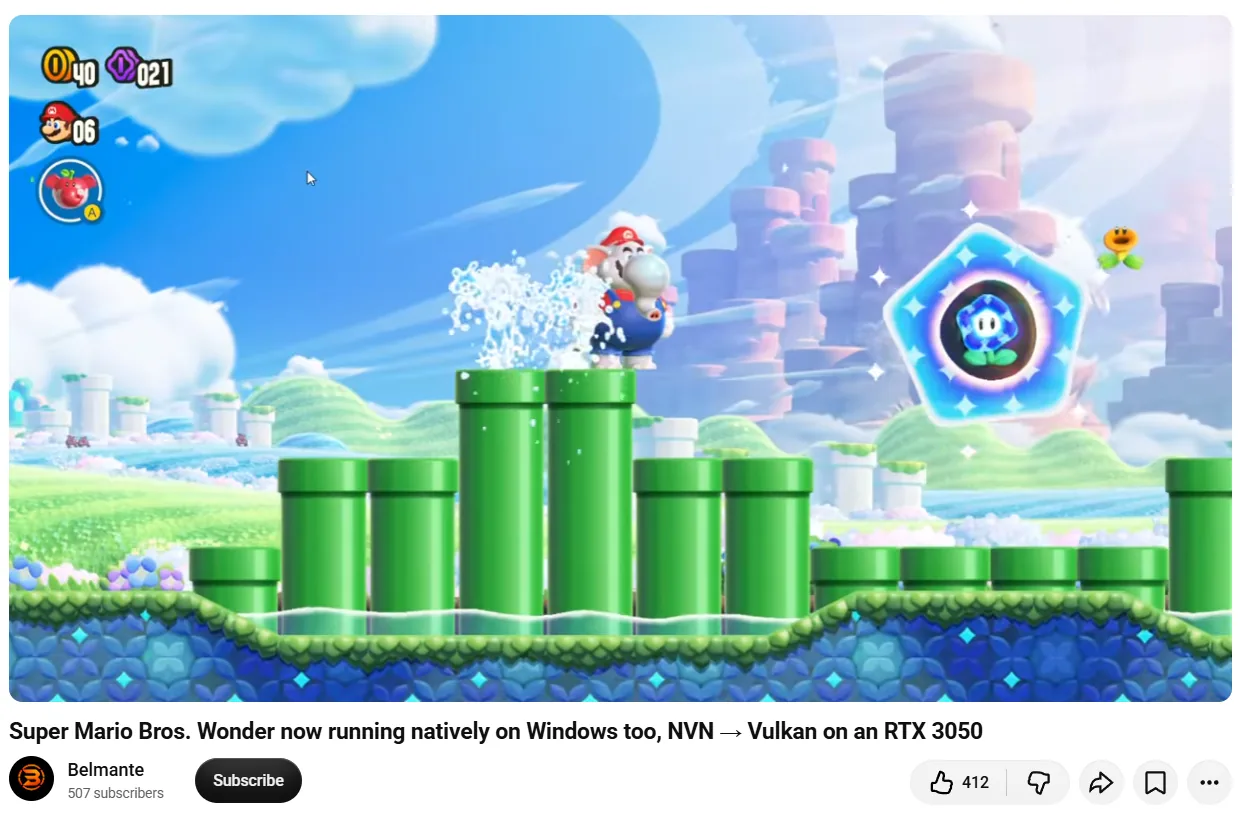
The project relies entirely on recompiling the Switch’s C++ code coupled with an NVN-to-Vulkan translation layer, eliminating the need for emulation. NVN is NVIDIA’s graphics API for Tegra platforms, while Vulkan is the modern low-level graphics API for PC. This translation layer intercepts and converts NVN calls to Vulkan equivalents, enabling the port without source-code modifications.
Testing on an RTX 3050 laptop confirms the game runs smoothly at ~60 FPS. However, minor graphical glitches and occasional frame rate drops persist, indicating the port remains a work-in-progress. Significantly, Belmante’s earlier macOS demo (on M1 Mac) suffered “major issues” compared to this Windows version—a stark contrast highlighting how critical the graphics API translation strategy is to porting success across platforms.
Next Steps and Broader Project Scope
Belmante has outlined a transparent roadmap:
- Further optimize the current Windows port’s performance
- Integrate GPU compatibility testing, including Intel UHD 770 integrated graphics
- Goal: Determine the minimum GPU requirements for Switch titles
This focus on low-end hardware stems from Switch’s modest specs (quad-core NL400 CPU, entry-tier GPU), reinforcing the feasibility of porting to widespread laptop-class hardware. The developer acknowledged: “the original Switch hardware is not particularly powerful”, making native porting to consumer PCs technically viable.
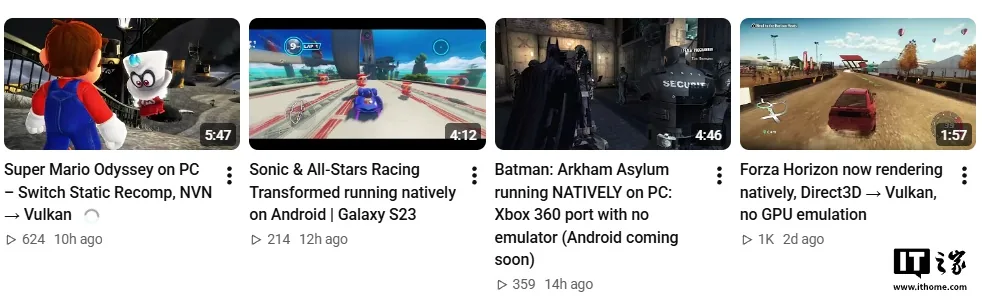
The developer has also demonstrated other native porting successes:
- Batman: Arkham Asylum (Xbox 360 version) ported to Windows
- Super Mario Odyssey ported to Windows (currently exhibits graphical bugs and no audio)
- Console-to-Android mobile adaptation projects
Who Should Care—and Who Should Wait
Early adopters值得跟进:
- Technically inclined enthusiasts (current build is not a user-friendly release)
- Switch fans without console ownership (monitor following open-source maturation)
- Graphics/API researchers (NVN/Vulkan mapping source code will be educational)
Best to wait:
- General consumers (graphical glitches and instability prevent polished experience)
- Users seeking “one-click installation” (no installer or prebuilt binaries available yet)
Final Note
AI is being used to assist decompilation and recompilation efforts, offering a viable alternative to isolate proprietary console content. Yet technical progress coexists with persistent copyright ambiguity—underscoring why developers consistently emphasize their role as toolbuilders, not distributors of copyrighted game assets.