Earnings Highlights
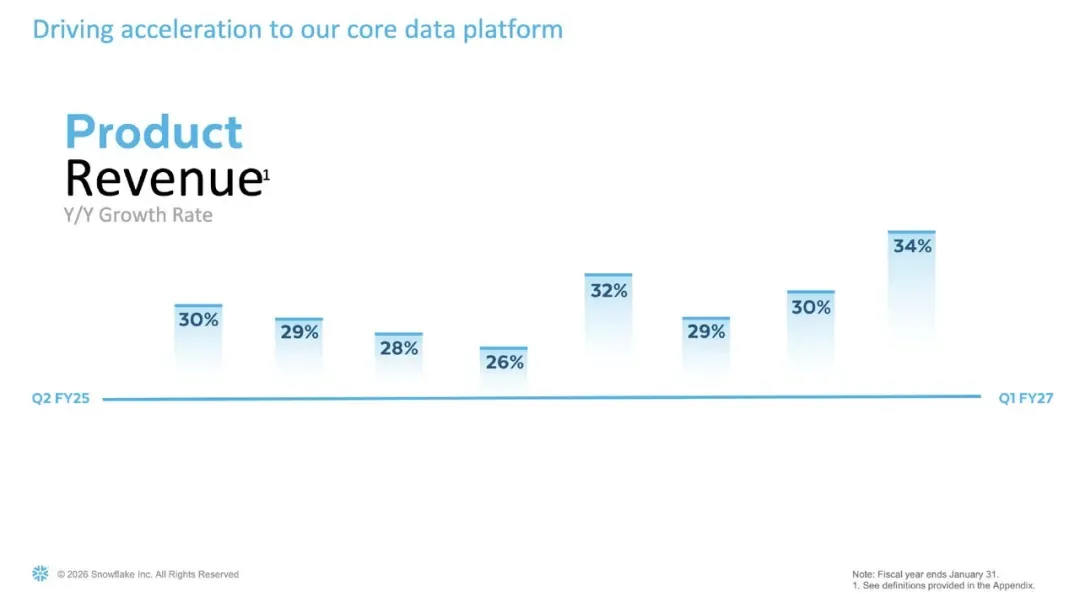
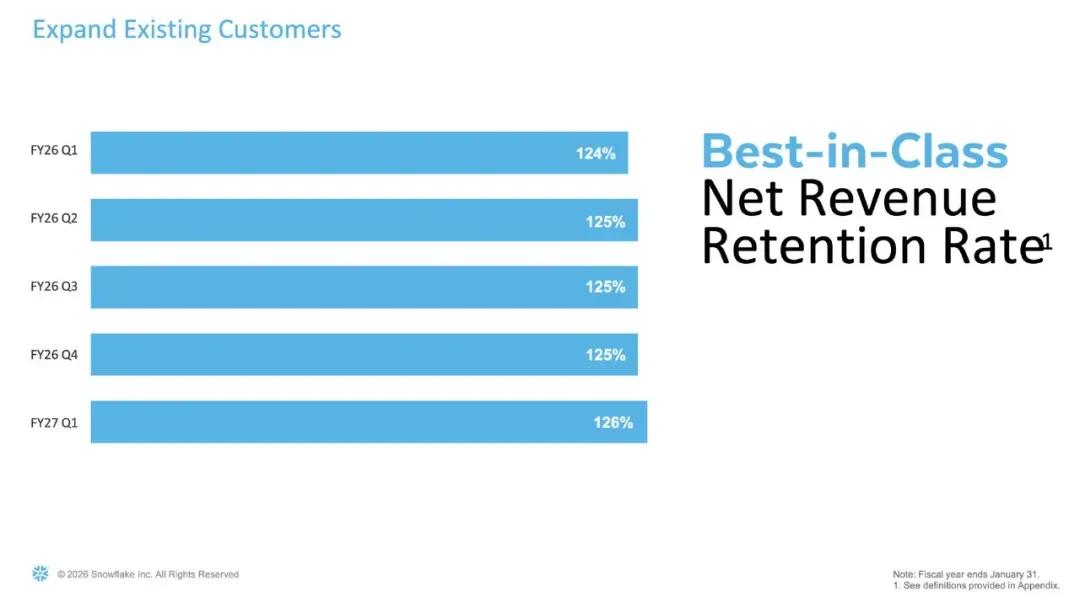
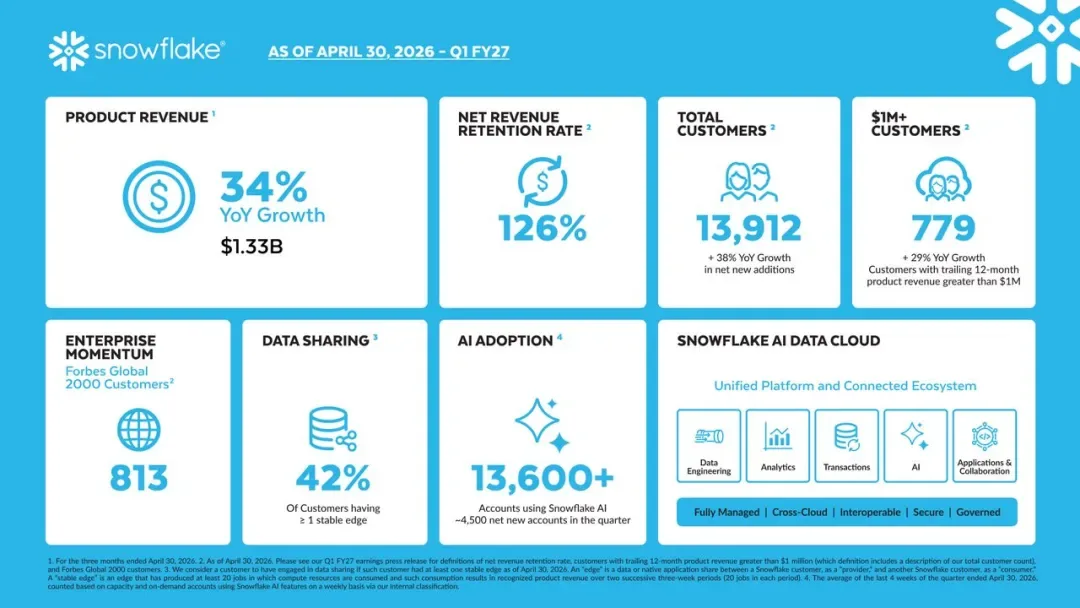
Snowflake’s earnings report shows that enterprise AI isn’t just a concept—it’s translating into more measurable business performance. The key metrics cited include 33% growth and a 126% net revenue retention rate. The latter is typically used to track revenue changes among existing customers after renewals and expansion; a rate above 100% means existing customers are still increasing their spending.
How AI Becomes Revenue
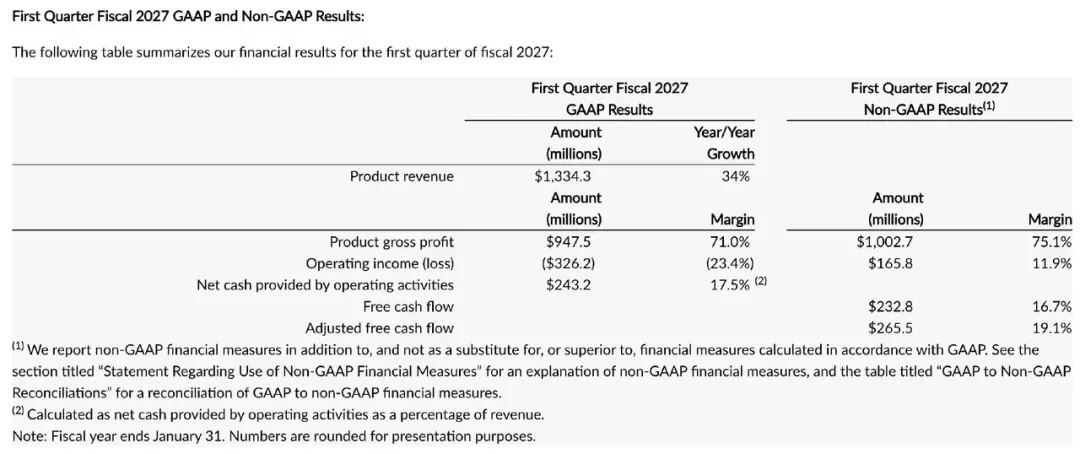
The story for Snowflake isn’t just whether it has AI features; it’s whether AI demand can drive sustained usage of its data platform. When enterprises adopt AI, they often need to organize data, control access, invoke models, and manage security; these steps increase their reliance on data storage, compute, and query capabilities. If AI applications generate more data processing demand, platform companies have an opportunity to turn that demand into revenue growth.
Industry Commentary
The significance of this earnings report is that it reframes the challenge of “putting AI into practice” as a competition over “who is closer to enterprise data and use cases.” In the future, the winners among AI infrastructure companies may depend not only on model capabilities but also on whether they can connect data governance, business processes, and billable usage.