
Key Event Summary
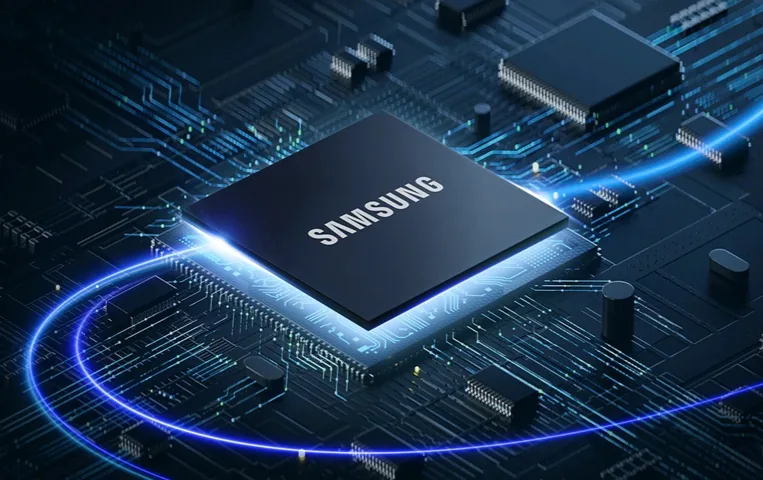
Samsung Electronics will be the first to release its preliminary Q3 results on Thursday (the first business day after October 7), with the full earnings report due in late October. This marks the fourth consecutive quarter of record-breaking operating profit since Q2 2025: Q3 operating profit is projected to reach KRW 106.1 trillion (approximately RMB 5.26 billion), a nearly 9x year-over-year surge (compared to KRW 12.17 trillion in the same period last year). The core driver is robust AI infrastructure demand, which continues to tighten memory chip supply.
Background and Key Data
Refinitiv SmartEstimate, compiling forecasts from 21 analysts, shows that the consensus estimate has been revised down 7.7% since late August. This adjustment reflects several conflicting signals: on one hand, AI server demand growth has consistently outpaced memory chip capacity expansion; on the other hand, the pace of chip price increases has slowed markedly — TrendForce predicts conventional DRAM Q4 contract prices will rise only 10%–15%, a sharp deceleration from the roughly 60% quarter-over-quarter increase in Q2. Analyst Wu Yating notes that suppliers are cautious about aggressive price hikes, fearing damage to consumer electronics end demand; meanwhile, the growing share of long-term supply agreements (Samsung plans to cover about two-thirds of its memory capacity) and built-in price cap mechanisms further flatten the magnitude of increases.
Memory manufacturers are broadly reaping historic profits: JPMorgan estimates Samsung’s HBM (High Bandwidth Memory, i.e., high-speed VRAM used in AI data centers) market share could rise from 20% to 34%, while SK Hynix’s share would drop from 60% to 46%; Micron’s Q2 gross margin reached 87%, projected to edge down to 86.3% in Q3; Han Donghee calculates Samsung’s memory business Q3 operating margin is expected to hold at a high of 76%.
External Pressure Factors
Despite strong profits, Samsung still faces multiple challenges:
- Won appreciation impact: The Korean won appreciated 14.3% against the US dollar in Q3, the largest single-quarter gain since early 1998, shrinking overseas profits when converted to the local currency
- Long-term agreement constraints: Customers lock in supply in exchange for price caps, compressing room for further price increases
- Chinese manufacturer penetration: OEM/ODM manufacturers have begun adopting domestic DRAM and NAND flash products at scale (currently mainly low-end lines, but benefiting from the overall supply shortage)
The table below summarizes DRAM price change comparisons provided by TrendForce (source: original news data):
| Quarter | Conventional DRAM Contract Price QoQ Change | Notes |
|---|---|---|
| Q2 2026 | ~60% | Strong upward phase |
| Q3 2026 | Already slowed (specific figure not given in news) | Analyst estimates revised down 7.7% |
| Q4 2026 (est.) | 10%–15% | Marked pullback, trend confirmed |
Practical Takeaways for Readers
- If you follow memory chip investments: Q3 results are likely to beat expectations, but watch for signals of fading price momentum; Samsung’s HBM mass production progress is catching up to 34% share, and related supply chain players are worth monitoring
- If you are a equipment procurement buyer: Long-term agreements remain an effective cost control tool; with price increases currently moderating, consider whether to extend contracts to lock in pricing
- If you are a consumer electronics end user: Easing chip cost pressure will trickle down to phones and other electronic products, but prices will remain elevated in the short to medium term
Final Thoughts
This AI-driven memory upcycle has lasted over a year, and industry consensus holds that supply-demand tightness will persist through 2027–2028. Investors’ focus is shifting from “whether prices will rise” to “whether price increases can be sustained,” and the debate over peak profit margins has quietly emerged.