
Qualcomm Launches Snapdragon 8 Gen 6 Supreme Edition: Reengineered for On-Device Agent AI
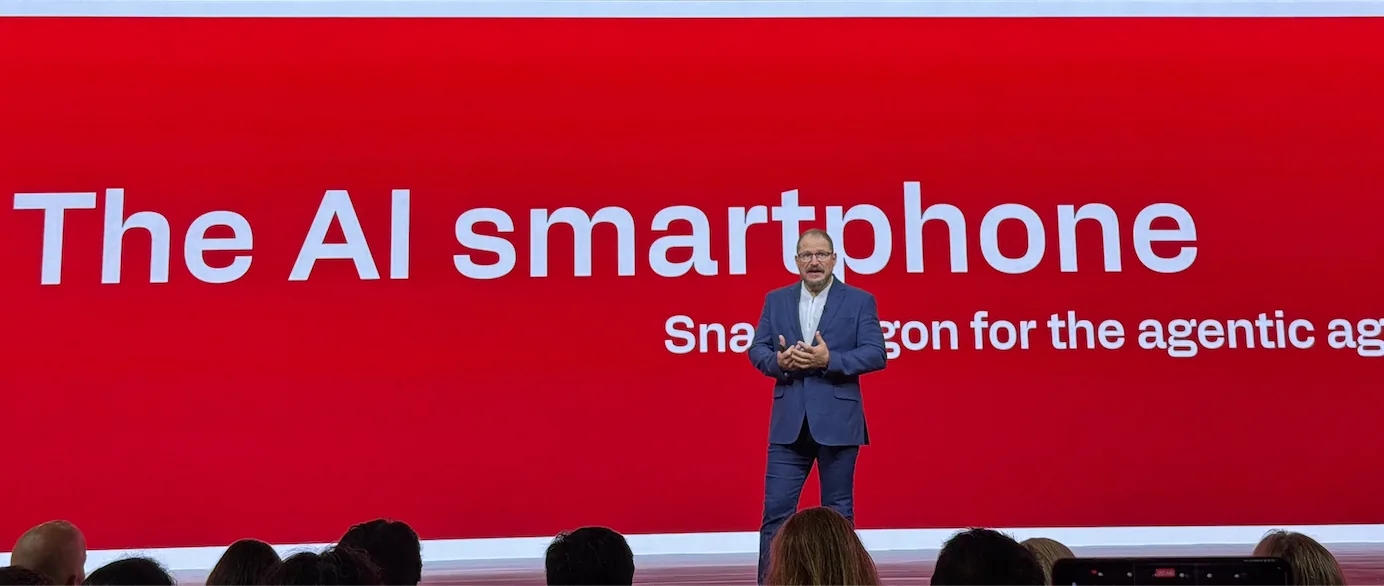
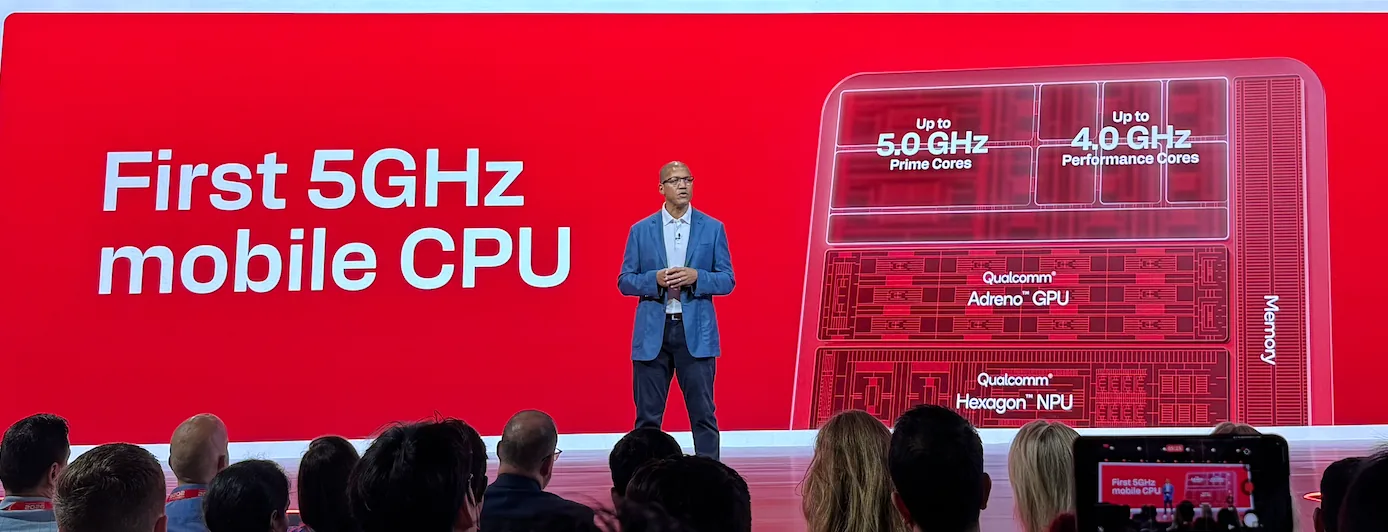
Qualcomm unveiled the Snapdragon 8 Gen 6 Supreme Edition and standard Edition at the Snapdragon Summit. Both are built on a 2nm process, with the Supreme Edition positioned at the top of the product lineup. Key specifications include the industry’s first mobile CPU reaching 5GHz, support for running 30-billion-parameter Mixture-of-Experts (MoE) models on-device, and up to 32K token context length. Launch timing and pricing remain undisclosed in the source material, as is availability and open-access details.
Breaking Through the Memory Wall: A System-Level Optimization
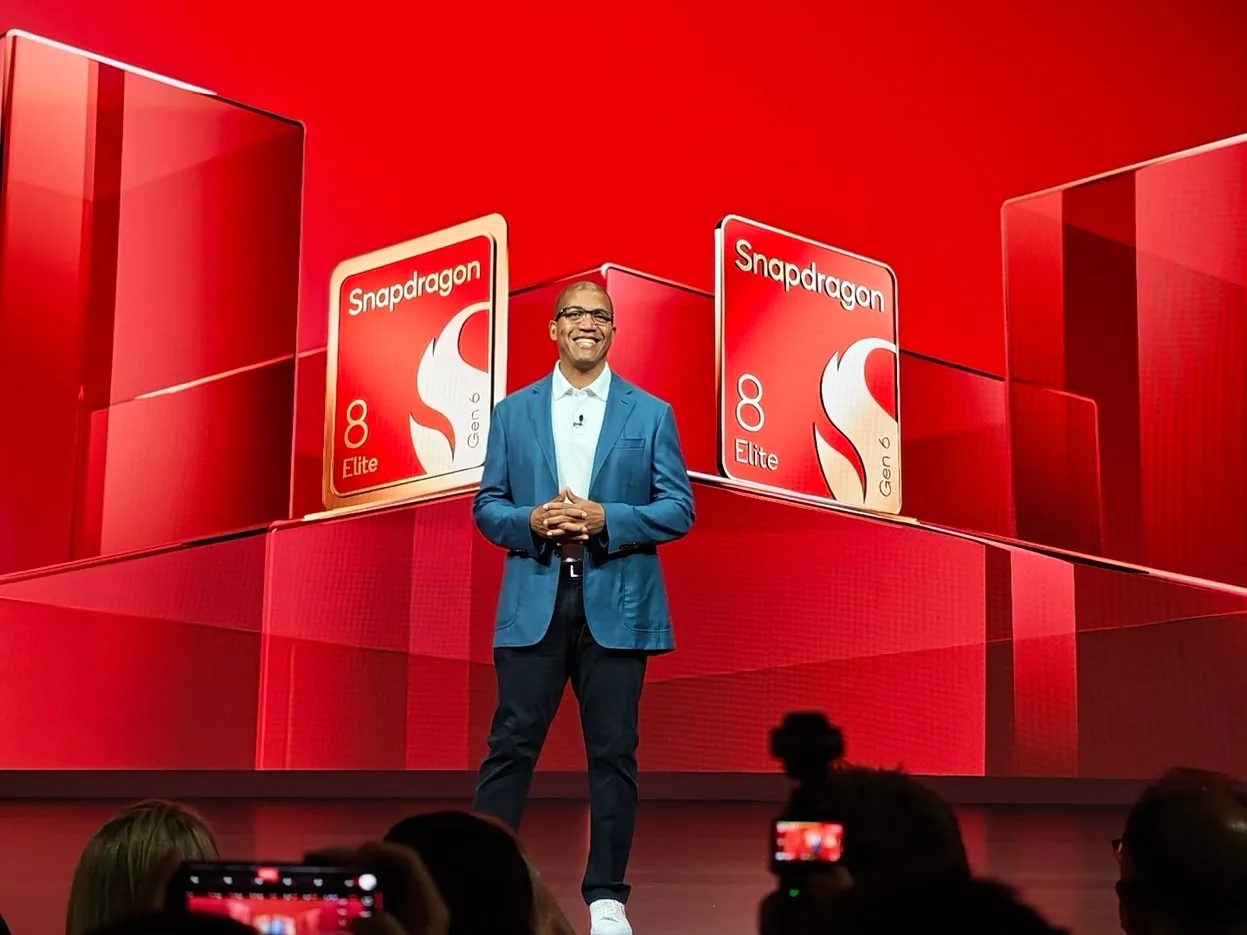
The core challenge for always-on agent AI, according to Qualcomm’s technical expert Zhu Yuankun, is not raw performance but memory and power constraints. The Supreme Edition addresses this via coordinated design across multiple tiers:
- Oryon CPU introduces Oryon FlexCache, enabling all 8 cores to share a unified L2 cache pool with dynamic allocation, reducing task-switching latency
- Adreno GPU features second-generation 18MB high-performance memory (HPM), lowering power consumption by 12% by minimizing DDR access
- Hexagon NPU memory increased by 50% to keep model states and KV-cache on-chip
- Combines LPDDR6 RAM and UFS 5.0 storage for a three-tier data pipeline: on-chip cache → system memory → flash
A notable reversal: while the 30B MoE model offers substantial capacity, only about 3B parameters are activated per token generation. This sparsity balances model knowledge against mobile constraints—confirming Qualcomm’s thesis that memory, not peak throughput, defines agent AI feasibility on-device.
Heterogeneous Collaboration: Redefined CPU/GPU/NPU Roles
The Supreme Edition marks the first time Matrix Cores are added to Adreno GPU, enabling on-GPU AI execution without offloading. This delivers two major shifts:
- Matrix Cores process SR, frame interpolation, and general AI workloads directly in the graphics pipeline
- Game developers gain GPU-accessible AI, NPU handles large continuous models, CPU focuses on agent orchestration
NPU enhancements include Transformer-optimized Hexagon Element Accelerator, delivering up to 80% faster prefill throughput. The sensor hub pairs dual Micro NPU units, achieving 85% performance gain with 20% lower power, enabling ambient awareness without waking the main processor.
| Feature | Snapdragon 8 Gen 6 Supreme Edition | Snapdragon 8 Gen 6 Edition |
|---|---|---|
| CPU clock | Industry’s first 5GHz | Undisclosed |
| GPU AI cores | First-time Matrix Cores | Undisclosed |
| NPU capability | Runs 30B MoE models | Undisclosed |
Note: Standard Edition specifications not detailed in source material.
From Single Query to Continuous Workflows: Real-World AI
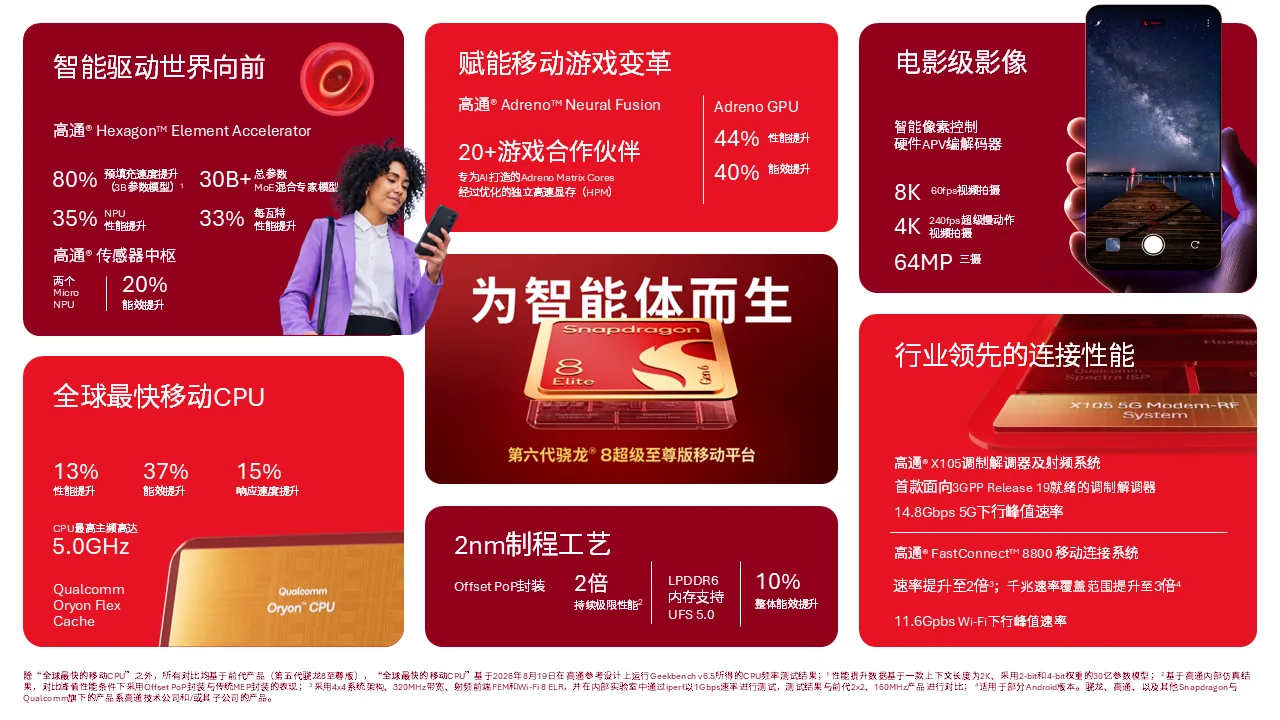
Partnering with StepFun, Habo (Wulianghuo), and Jinglong (DDT), Qualcomm deployed StepEdge-Omni 30B-MoE on mobile devices. With heterogeneous scheduling and co-optimized storage-compute, deployment reduced memory requirements by over 50%. Performance hits: 330+ tokens/s prefill, 28+ tokens/s decode—enabling continuous tasks like email comprehension, itinerary planning, calendar sync, travel recommendations, and draft writing. Dual NPU+GPU processing improves prefill throughput by over 30% versus NPU-only solutions.
Three concrete experiences emerge:
- Productivity: Sensor hub builds personal knowledge graph from authorized conversations
- Gaming: Adreno Neural Fusion powers super-resolution and frame generation
- Imaging: Second-gen AI-ISP enables 8K 60fps video on Snapdragon phones, transforming visuals into multimodal context
Who Should Buy
- Ideal for: Power users demanding on-device LLM responsiveness, privacy-focused workflows, and seamless cross-device agent continuity
- Wait for至尊版 if: You prioritize overall balance over peak AI capability, as至尊版 likely offers differentiated tuning
Final Word
The shift from App era to Agent AI redefines flagship SoC metrics: peak performance gives way to memory efficiency, heterogeneous coordination, and real-world task continuity. Qualcomm’s reimagined architecture signals mobile AI’s coming-of-age—not through raw numbers, but through integrated system engineering for practical, always-on intelligence.