
Dual-Flagship Launch: The Starting Point of the Agent Era
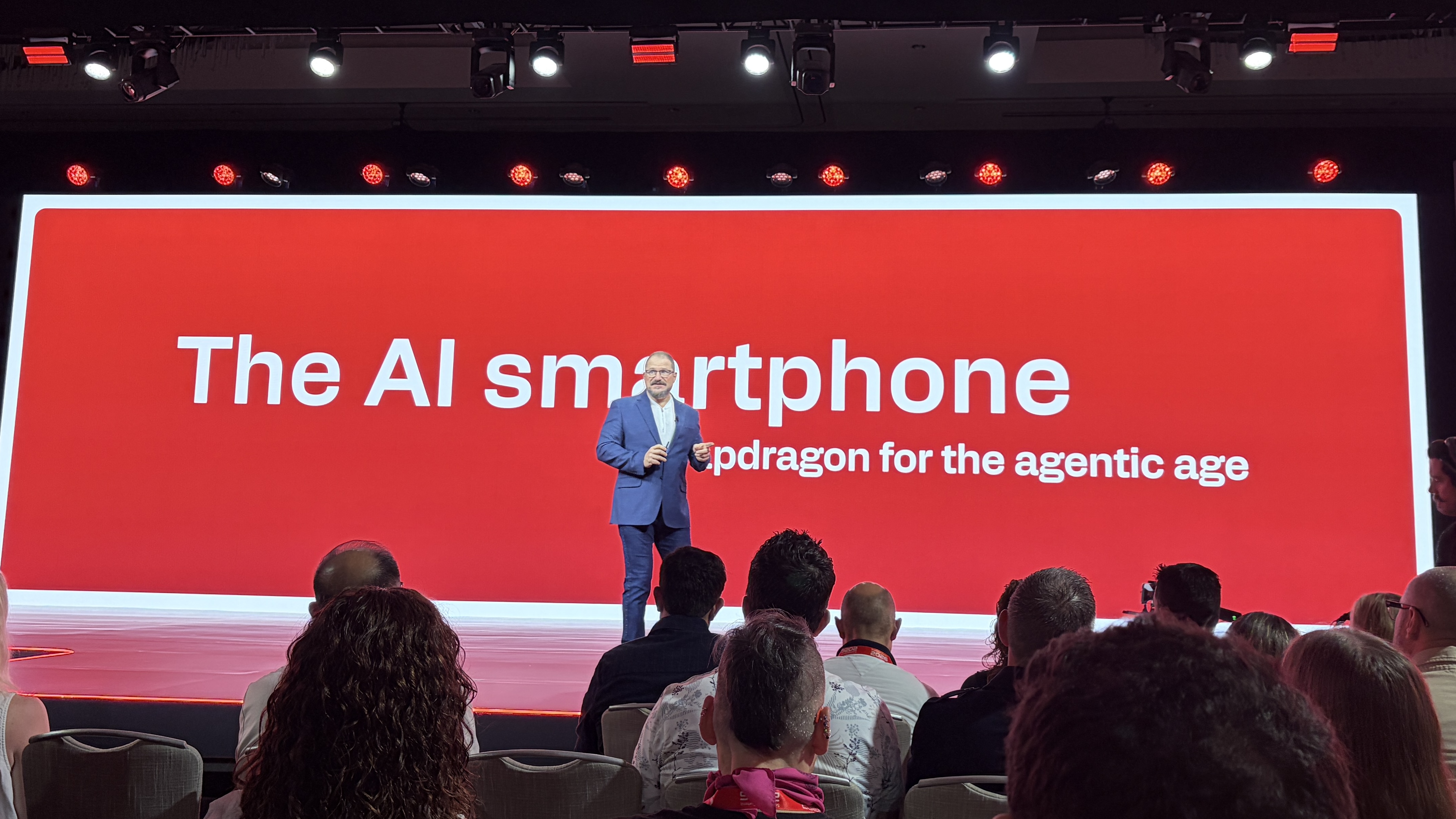
This year’s Snapdragon Technology Event was held on Maui, Hawaii, where Qualcomm officially launched the sixth-generation Snapdragon 8 series—Snapdragon 8 Elite and Snapdragon 8 Ultra Elite. Both chips enter the 2nm process node, with Xiaomi 18 Pro expected to be among the first devices to feature the Snapdragon 8 Elite. Unlike previous years, this launch is not about raw performance metrics but about rebuilding the chip architecture around the continuous workflow of AI agents.
Key hard facts:
- Release timing: This year’s Snapdragon Event (September)
- New versions: Snapdragon 8 Elite & Ultra Elite
- Process node: 2nm
- Core focus: Dual-flagship architecture with agent-centric full-stack optimization
Structural Reconfiguration: From Modules to Workflow-oriented Design

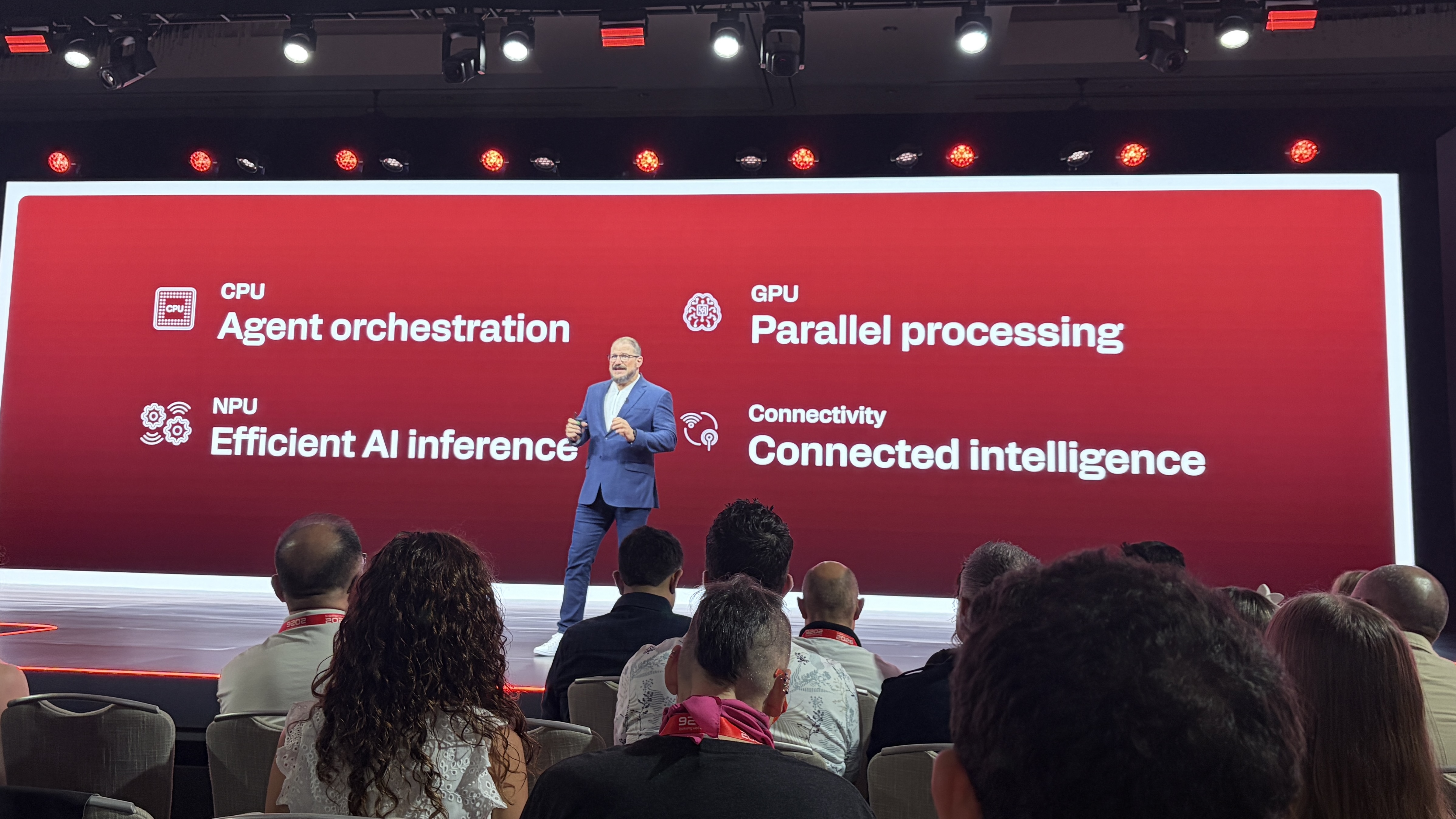
Qualcomm for the first time assigns CPU, GPU, and NPU roles based on the agent’s workflow:
- CPU acts as the agent’s “planner,” with CPU clock speed breakthrough to 5GHz (industry first), featuring new Oryon architecture: 2 super cores @5GHz + 6 performance cores @4GHz; Ultra Elite delivers 13% CPU performance and 37% efficiency uplift;
- NPU supports up to 30-billion-parameter MoE models on-device, Hexagon NPU gains 35% performance and 33% efficiency improvement, plus Element Accelerator for Transformer workloads;
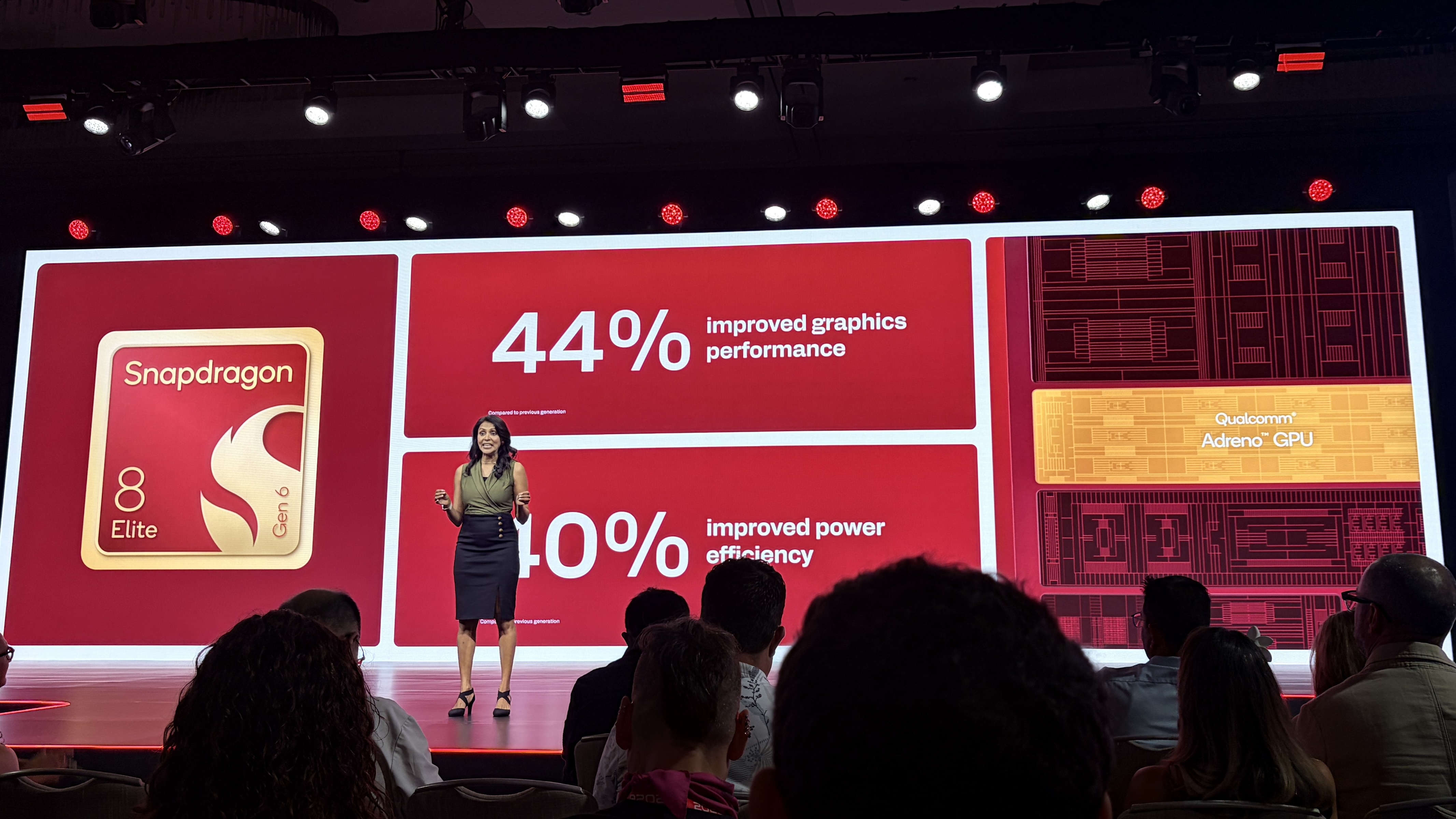
- GPU integrates Adreno Neural Fusion, embedding AI computation directly into graphics pipeline for upscaling, frame generation, and reconstruction—44% performance and 40% efficiency uplift.
A key design feature: Ultra Elite’s Adreno GPU includes 18MB high-performance memory (HPM), exceeding typical rivals. Paradoxically, this yields a 12% power reduction, validating Qualcomm’s rethinking of memory-compute co-design.
Memory & Connectivity: The Underlying Pillars for Agents
With agents processing longer context, multitasking, and multiple tools, memory bandwidth becomes critical. Qualcomm addresses this through:
- Hexagon NPU shared memory increased by 50%, retaining context and KV-cache internally to reduce DDR access;
- Sensor hub upgraded to dual-Micro NPU, delivering 85% performance and 20% efficiency gain, supporting 200-million-parameter models;
- FastConnect 8800 introduces 4×4 Wi-Fi, Wi-Fi 8 support, and peak rate of 11.6Gbps, with native AI connectivity features.
Qualcomm also clarifies that 6G will be designed as an AI-native infrastructure, built around connectivity, computation, and sensing—transitioning networks from transport to computation platforms.
Multi-Device Ecosystem: Earbuds, PCs, and Glasses Form the Agent Web
Agents run across devices, not within one. Qualcomm’s ecosystem spans multiple form factors:
| Platform | AI Performance | Key Features | Efficiency Gains |
|---|---|---|---|
| Snapdragon 8 Ultra Elite | Not separately stated | 30B-param MoE, 18MB HPM | CPU +37% Effic, GPU +40% Effic |
| Snapdragon 8 Elite | Same NPU/GPU architecture as Ultra Elite | Same-gen AI innovations规模化 | Not disclosed |
| Snapdragon X2 PC series | 85 TOPS | Enables on-device long-running AI | Surface Pro >15hr runtime |
| Snapdragon Audio Platform Elite | 128 GOPS | Direct cloud AI links, ultra-low-power Wi-Fi 6E | Up to 40% power reduction |
High-Bandwidth Computing (HBC) will arrive as a co-processor in next-gen Snapdragon platforms, reducing memory-compute latency—details awaiting the 2027 MWC Barcelona.
User Recommendations & Technical Positioning
Worth considering now:
- Ultra Elite devices suit users seeking cutting-edge AI and maximum performance;
- Elite models offer same-gen core AI capabilities with better value and balance;
Wait for:
- HBC co-processor, full Wi-Fi 8 features, and earbuds/glasses launch details await the 2027 MWC Barcelona, with current devices still in preview stage;
- Modular software integration effects remain unproven—heterogeneous computing developer experience still待观察.
Final Thought
Qualcomm is completing the shift from “chip supplier” to “agent execution infrastructure provider.” This is not merely a generational upgrade—it represents a fundamental rewrite of computing: power flows not to apps, but to intent itself.