The Main Event: A Web Recreation of the Theranos Desk Based on Trial Documents
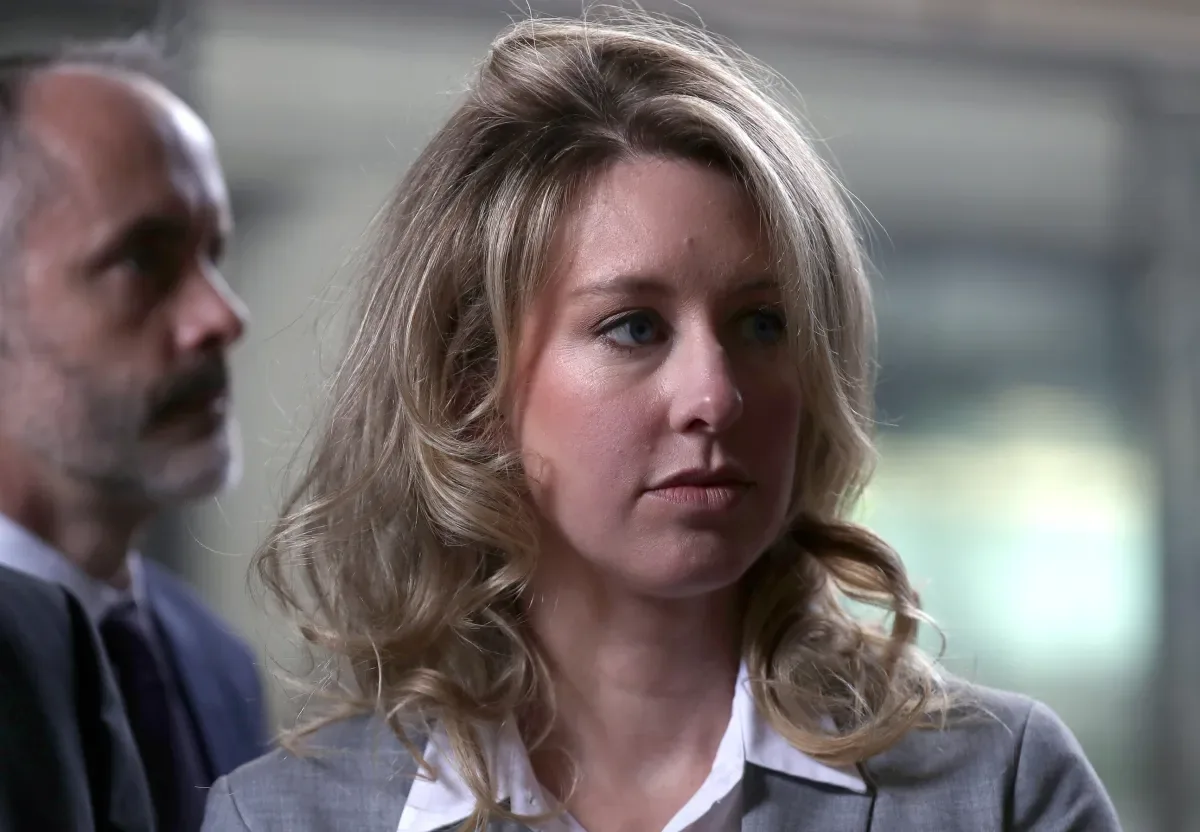
Bo Lau, an engineer at Extend, created an immersive website that recreates the office environment of Theranos founder Elizabeth Holmes as it was in 2016.
Key facts:
- Includes more than 1,000 public trial documents (emails, slides, text messages, documents)
- Set in 2016: the iPhone has a Home button and requires swipe-to-unlock, and the MacBook Air runs OS X El Capitan
- Interactive elements include Holmes’s iPhone and laptop screens, plus a Theranos Edison blood-testing device simulator
- Backed by Extend, with an accompanying viewing event promoting Nathan Fielder’s new documentary You Can See Everything
Reconstruction Details: Tech Archaeology and Contrasting Data
The most striking thing about the site is not its technical complexity, but its precise historical reconstruction. Once the page loads, users see the classic MacBook Air interface, and the iPhone still requires a physical Home button and swipe-to-unlock—interaction logic from eight years ago. Even smaller details, such as the email client interface and the arrangement of desktop files, strictly follow 2016 software conventions.
One unexpected contrast is that all interactive content comes from public court documents, not fictional invention. This means that when users click any document on the screen, they are actually seeing evidence submitted in a real trial. The Theranos Edison machine simulator is rudimentary, but it can demonstrate the company’s once-claimed ability to run a huge number of tests from a single drop of blood—a stark contrast to its eventual dead-end reality. This tension between reality and narrative is exactly where the project’s value lies.
Document Navigation: How a Patent-Dispute Tool Was Used for Historical Reconstruction
The project was led by an Extend engineer, and Extend describes its service as “parse, extract, and split your hardest documents with unmatched accuracy” (parsing, extracting, and splitting even your hardest documents with unmatched accuracy). Although the terminology is abstract, the project clearly applies its document-processing capabilities: thousands of PDF court documents were structured