
Key Event
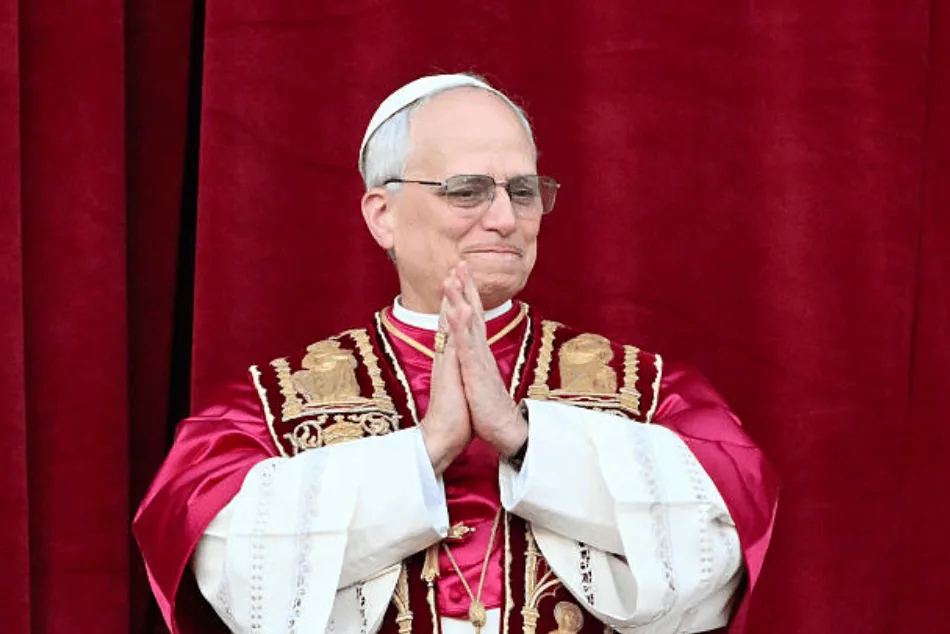
On October 2, 2026, Pope Leo XIV issued a statement via X, explicitly opposing AI-generated art and pointing out its fundamental differences from human creation. This was not his first statement on the technological stance—as early as May 2026, he had systematically expounded on human dignity in the age of automation in an encyclical letter.
Key facts:
- Release date: October 2, 2026 (Friday morning)
- Platform: X (formerly Twitter)
- Nature of the texts: Public post + a formal encyclical from the previous May
- Core viewpoint: There exists an “ontological difference” between human art and algorithmic output, which takes precedence over the aesthetic dimension
- Relevant parties: The Vatican, AI companies (such as Anthropic), mainstream media (TechCrunch, The New York Times)
The Pope’s Position and Its Basis

In his statement, the Pope emphasized: “In this age of artificial intelligence, distinguishing human art from machine-generated content has become urgent.” He further explained: “Before the aesthetic difference, there is first an ontological difference—that is, the essential distinction between art and what a machine can generate through statistical computation (based on millions of images created by others). Algorithms lack the human spiritual spark.”
This statement constitutes his core argument: art should not be reduced to a statistical recombination of existing works, but must be rooted in the experience and expression of the human subject. The encyclical had already proposed that as automation increasingly replaces human labor, the irreplaceability of the human person must be reaffirmed—and art, as a higher form of human spiritual activity, naturally falls within this scope.
Related Parties’ Movements and Industry Feedback
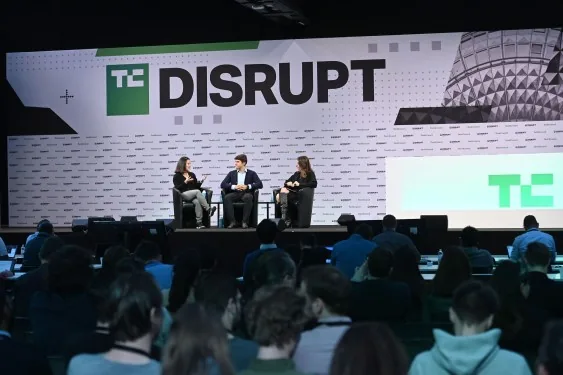
A notable contrast: despite the Vatican’s clear stance, AI companies are still actively lobbying. According to a recent report by The New York Times, Anthropic has proactively approached the Vatican in an attempt to push it to reconsider its position on the issue of “non-human consciousness,” but has achieved no obvious results. This hints at a deep chasm in value judgments between the tech world and the religious/humanistic world.
The event quickly drew attention. TechCrunch’s headline noted that the Pope has become a “powerful new ally” for the camp opposing AI-generated art, indirectly confirming that the controversy is not confined to tech communities but has entered the realms of public philosophy and ethics.
Reader Recommendations
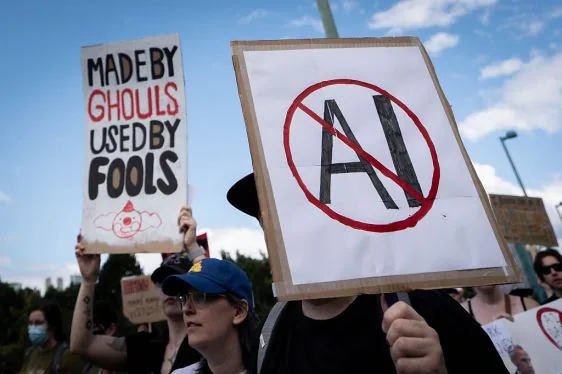
- Suitable for those concerned with AI ethics and the rights of artistic creation to follow up promptly: If you work in digital art, cultural communication, or AI development, you need to understand the “anthropocentric” critical perspective represented by the Pope, as it may influence future policy directions and platform content policies.
- Corporate developers are advised to hold off on pivoting to purely AI-generated narrative content: Especially when involving sensitive cultural topics such as religion, humanities, and history, you should assess whether it conforms to the defensible boundary of the “human spiritual spark”; currently the Vatican has not issued a specific ban, but there are uncertain risks to long-term social license.
Final Thoughts
The Pope’s argument does not appeal to technical defects (such as quality or bias), but rather questions the artistic qualification of AI-generated works from the ontological level—this marks the controversy entering a more fundamental philosophical plane. As general artificial intelligence advances, such value defenses based on human uniqueness may appear more frequently in public discussion.