Muse and dots Enter the Fray: Personal Agents Move Into the Mainstream

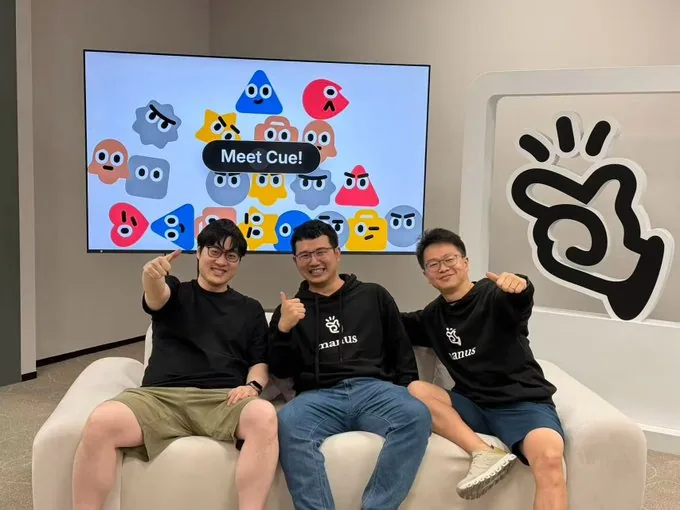
In late September 2024, Personal Agents saw密集deployment. Meta’s Muse, launched before September, achieved over 3 million downloads and briefly displaced ChatGPT from the top spot on the U.S. App Store free chart. OpenAI launched dots on September 29 with its “always-on agents” concept. Manus released Cue on September 28. Domestically, Alibaba’s Qwen is accelerating Personal Agent development; ByteDance’s Spell project surged post-Muse’s popularity, aiming for a late-September beta release; Tencent is internally testing Handy Bot with plans for a standalone App.
Key timelines show rare industry synchronization: Muse, Cue, Spell, and Handy Bot entered public testing or launch phases within one month.
The Essence of Personal Agents: From Task Execution to Long-term Proxy
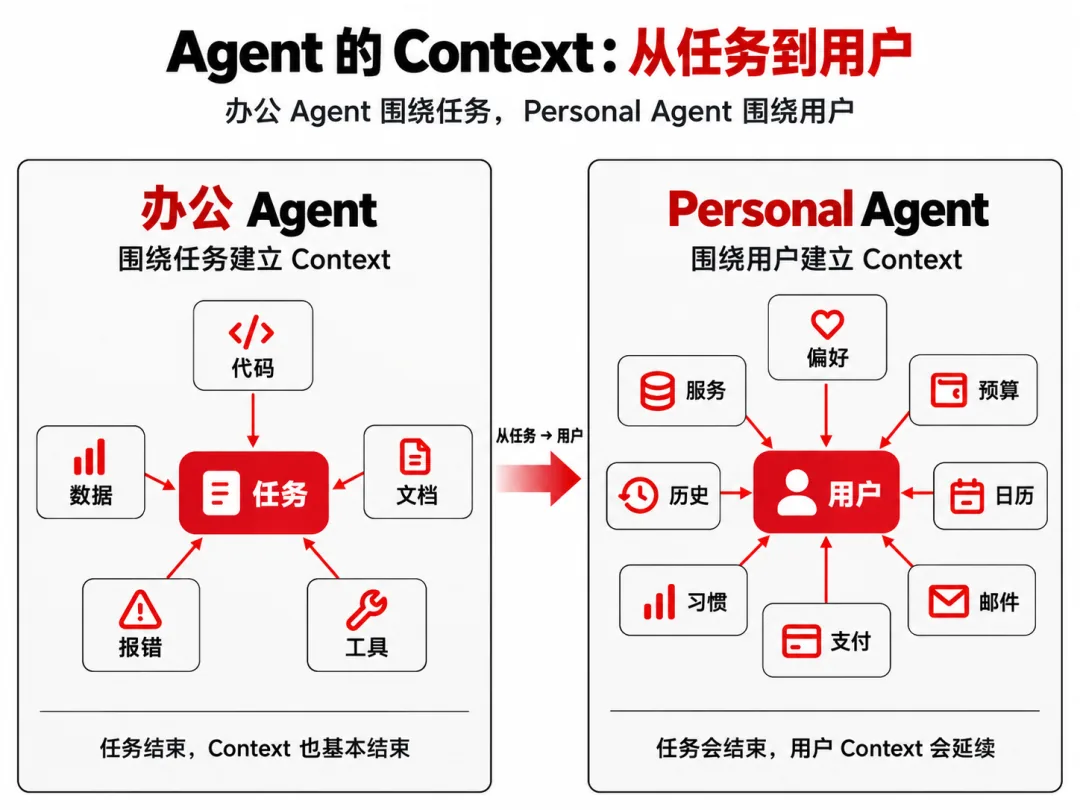
The core distinction between Personal Agents and traditional office Agents lies in context organization. Office agents build context around single tasks (e.g., bug fixes), clearing variables afterward. Personal agents must围绕 the user本人—remembering preferences, budgets, flight dislikes—not just this hotel booking but past patterns. This requires tasks to persist across days or weeks, like booking a hiking trail that unfolds over months.
To achieve this, the tech stack includes: long-term Memory to mitigate information decay, cloud-hosted execution environments for persistent background operation, and role-based permissions to access browser, email, calendar, and payment. Muse runs on independent cloud VMs with built-in browsers; Cue extends this with email, phone numbers, and digital wallets. The industry increasingly views Agents as digital extensions of the user.
The Intent Economy and the New Entry Point War: User → Agent → Platform
Personal Agents enable the “Intent Economy” in practice. Traditional flow: user → platform → service (e.g., search on Taobao). Personal Agents aim for: user → Agent → platform/service.
For instance, “buy a $1000 coffee machine, delivered tomorrow, high-rated” triggers autonomous comparison and ordering before the user opens any platform. Meta has rapidly connected Muse to connectors from Walmart, PayPal, Expedia, and Notion, building a service network.
Key contradiction: Muse’s App Store success contrasts with Amazon’s refusal to grant it shopping access. Amazon argues third-party Agents must self-identify and respect service providers’ access rules. This means Personal Agents must cross two authorization gates: user trust and platform rules.
Reality Gaps: Three Barriers Remain
Despite the hype, Personal Agents remain far from becoming a true “next-generation entry point.” Technically, Muse and Cue combine existing capabilities (browser automation, containers, long-term memory, tool calls) without fundamental breakthroughs.
Three practical constraints persist:
- Task continuity: Multi-day tasks still struggle with context drift and execution drift;
- User trust: The ability to judge boundaries when handling sensitive information (such as pregnancy) is critical for user comfort;
- Platform openness: Western systems leverage open infrastructure (email, web); Chinese users’ digital lives reside in WeChat, Taobao, and Meituan’s closed ecosystems, blocking cross-platform agents.
| Dimension | Muse (Meta) | Cue (Manus) | dots (OpenAI) |
|---|---|---|---|
| Launch time | Pre-September 2024 | September 28, 2024 | September 29, 2024 |
| Runtime | Independent cloud VM | Dedicated Agent environment | Always-on cloud service |
| Core Features | Browser automation, web operation, background task persistence | Email/phone/wallet integration | Persistent online personal agent |
| Connected Services | Walmart, PayPal, Expedia, Notion | Not disclosed | Not disclosed |
| Ecosystem Fit | Western open infrastructure | Western ecosystems | Actual performance remains to be observed given its recent launch |
Recommendations for Users
Ready to try now: Users with clear, transactional needs (refunds, travel booking, price comparison) benefit most—high success rates and forgiving error margins.
Wait longer if: You expect full-life decision delegation (medical, investment, emotional); Chinese users should await Connector support from WeChat and Alipay before meaningful adoption.
In Conclusion
Personal Agents mark AI’s shift from reactive assistants to proactive executors. They may not win as standalone apps but as OS-level plugins, super-app integrations, or embedded assistants. Victory won’t go to the smartest model, but to whichever builds lasting trust within platform rules while earning user permission to act on their behalf.