
Core Event Overview
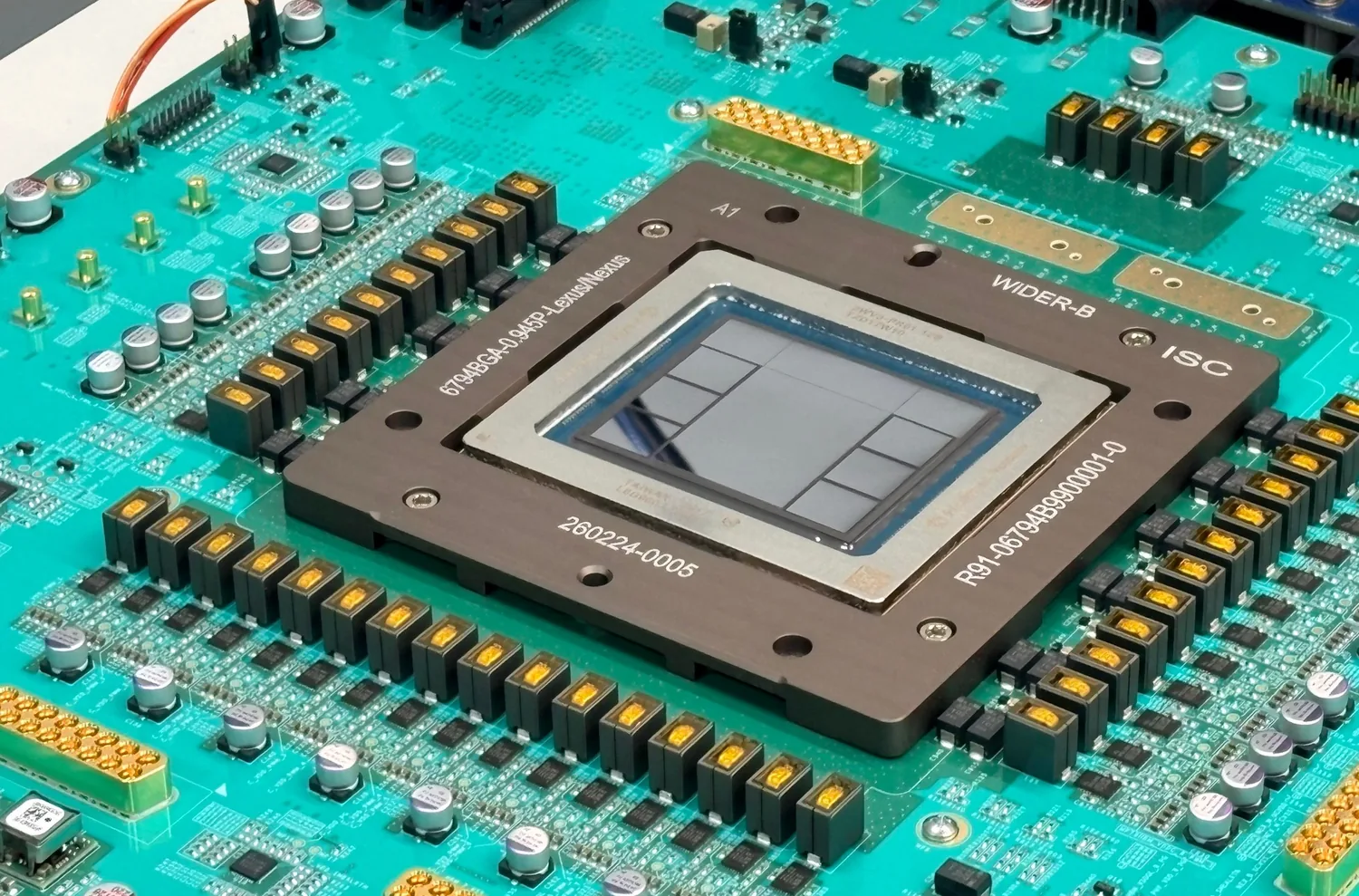
OpenAI officially unveiled its self-developed AI chip, Jalapeño, on Tuesday—purpose-built and optimized for AI inference workloads. Key highlights:
- Announcement Date: August 26, 2026 (blog publication date)
- Chip Type: Application-Specific Integrated Circuit (ASIC), designed specifically for AI inference
- Development Partner: Co-developed by OpenAI and Broadcom
- First Appearance: Initially disclosed in June 2026; this marks the first release of benchmark data
- Deployment Plan: Limited-scale rollout by the end of 2026, with gradual expansion starting in 2027
- Compute Strategy: Will not fully replace the existing chip lineup—will continue to run in parallel with partners like NVIDIA
Benchmarks: Outperforming NVIDIA’s Top Chips Across the Board
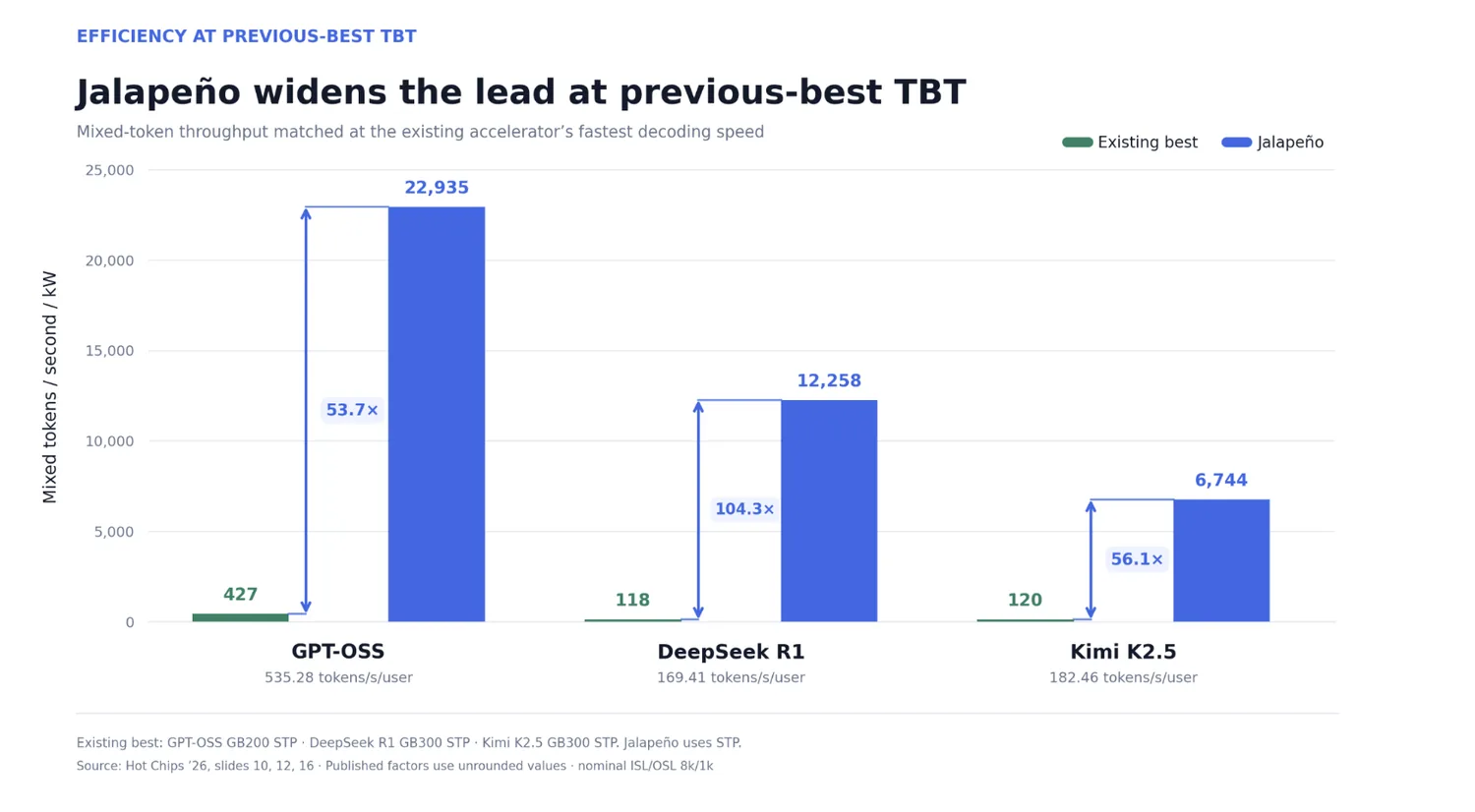
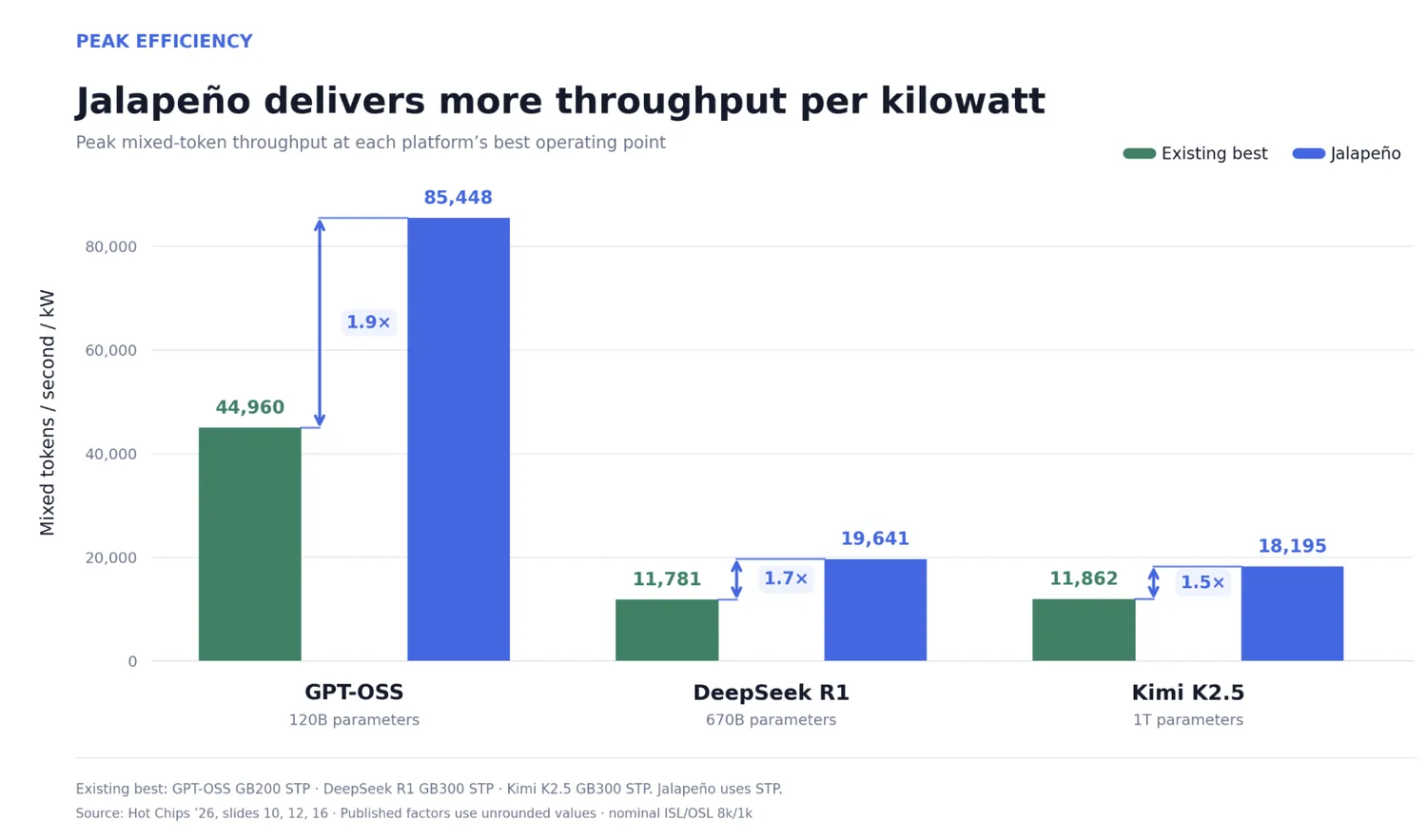
Jalapeño’s performance was validated through the InferenceX benchmark platform, pitting it against NVIDIA’s GB200 and GB300 superchips—the current leading inference hardware in the industry. Three large models were used for testing: GPT-OSS 120B, DeepSeek R1, and Kimi K2.5 1T.
The key results show a clear advantage:
- Energy Efficiency: The amount of AI work completed per unit of power is 1.5 to 1.9× that of NVIDIA’s systems
- Latency: End-to-end latency is reduced by 1.7 to 3.6× (i.e., response speed improves by as much as 3.6×)
These results break the traditional trade-off between latency and throughput in AI systems. Richard Ho, OpenAI’s Vice President of Hardware, stated that Jalapeño achieves “the best of both worlds”—delivering both lower latency and high throughput.
Notably, Jalapeño surpasses NVIDIA’s current largest and most powerful superchips in inference tasks, which is quite unusual within the industry. For years, NVIDIA’s H100, B100, and the GB200 series have dominated the high-performance inference market. OpenAI’s decision to develop its own ASIC rather than adopt an off-the-shelf solution underscores the strategic importance it places on autonomy over the inference pipeline.
Jalapeño’s Technical Positioning and Deployment Roadmap
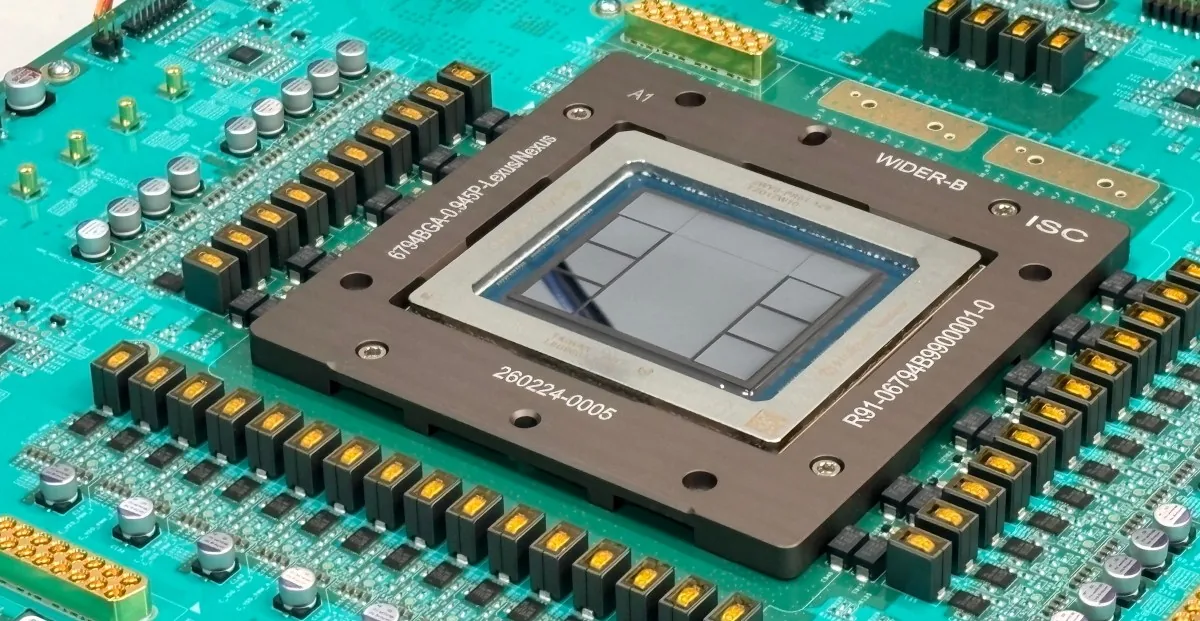
Jalapeño is an ASIC (Application-Specific Integrated Circuit). Compared to general-purpose GPUs, its circuit design is hard-optimized for specific model inference workflows, giving it inherent advantages in energy efficiency and latency—but at the cost of flexibility. OpenAI emphasized that the chip is dedicated to the “inference” stage—running trained models to execute tasks or deploy agents.
The deployment schedule follows a phased approach:
- End of 2026: Small-volume deployment (“small volumes”)
- 2027: Significant production ramp-up (“ramp the volume up”)
While no specific deployment numbers were disclosed, OpenAI made it clear that Jalapeño will not fully replace existing chips. Ho noted that the company’s overall compute strategy relies on “very good partners,” and NVIDIA will remain a key component of its compute infrastructure. OpenAI also plans to continue advancing the second and third generations of Jalapeño.
Core Performance Comparison (Based on InferenceX Benchmarks)
| Metric | Jalapeño | NVIDIA GB200 / GB300 |
|---|---|---|
| Energy Efficiency (GPT-OSS 120B / DeepSeek R1 / Kimi K2.5 1T) | 1.5–1.9× higher | Baseline |
| End-to-End Latency | 1.7–3.6× lower | Baseline |
| Chip Architecture | ASIC (Application-Specific Integrated Circuit) | GPU Superchip |
Takeaways for Readers
- Who should pay attention now: Cloud providers and AI application developers—Jalapeño’s low-latency characteristics are particularly valuable for real-time interactive agents (e.g., customer service agents, game NPCs); the energy efficiency gains also have a meaningful impact on long-term operating costs.
- Who might want to wait: Research institutions with strong needs for model flexibility—as an ASIC, Jalapeño cannot flexibly adapt to diverse training and inference workloads the way a GPU can; the ecosystem and toolchain will likely need more time to mature before large-scale deployment in 2027.
Final Thoughts
Jalapeño signals the determination of major model companies to extend upstream into hardware. In the near term, however, a “hybrid compute” strategy will remain the norm—a pragmatic move that also confirms ASICs and GPUs will coexist and evolve together within future AI infrastructure.