
Event Summary
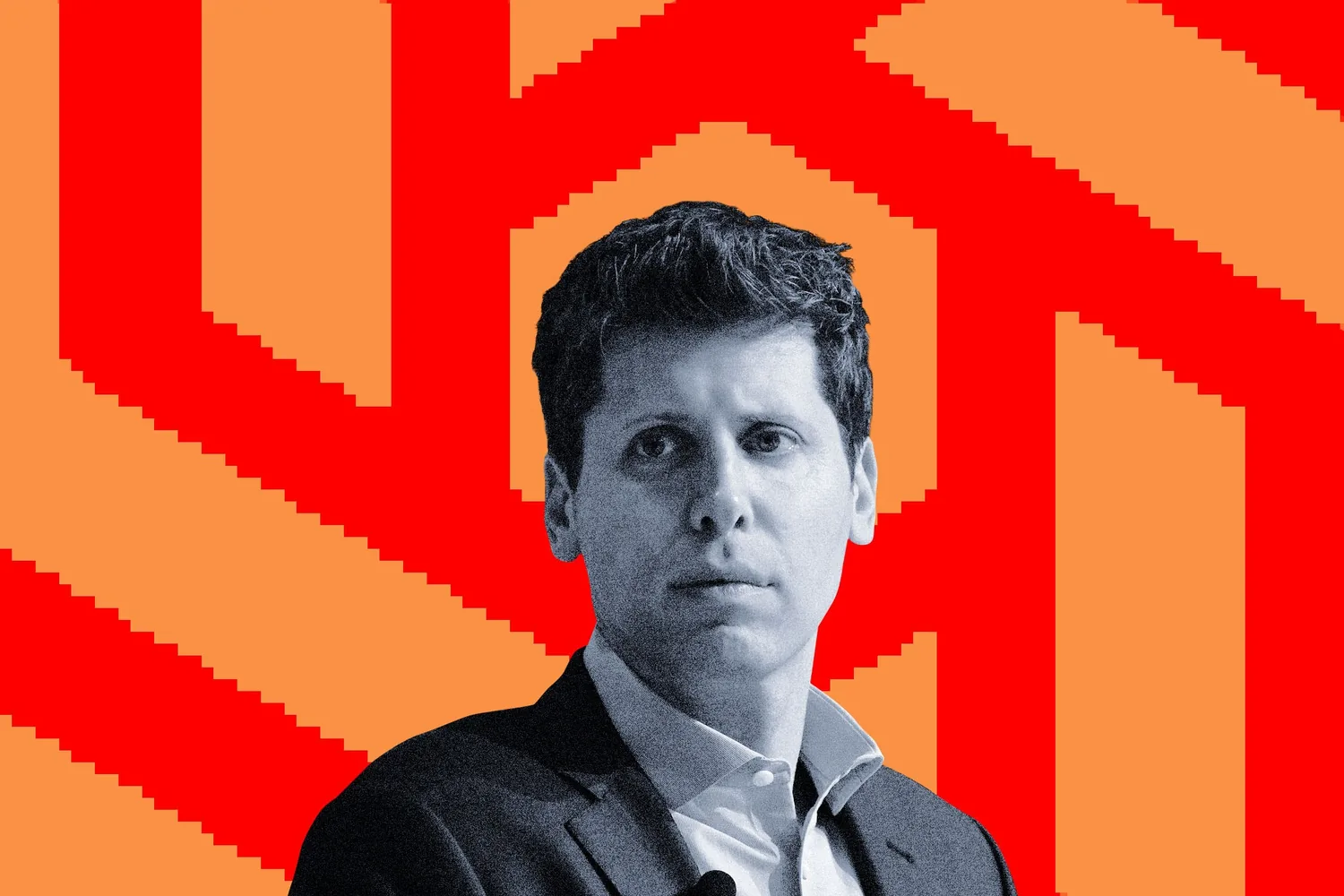
OpenAI’s publicist interrupted a journalist’s question during an interview with CEO Sam Altman at Vanity Fair, sparking debate over corporate responsibility regarding AI and mental health. The interruption occurred after journalist Mark Guiducci asked Altman whether he knew Laura Reiley—a New York Times reporter who wrote about her daughter’s suicide following conversations with ChatGPT.
Key facts:
- Interview participants: Sam Altman (OpenAI CEO) and Mark Guiducci (Vanity Fair editor)
- Interruption timing: Immediately after Guiducci raised the suicide case
- Publicist’s note: Cited only two minutes remaining and urged to “move on” to future topics
- OpenAI’s follow-up statement: Drew Pusateri, OpenAI spokesperson, confirmed the interview exceeded schedule; additional time was scheduled to address the topic post-interruption
Details and Stakeholders
Guiducci asked Altman if he recognized Laura Reiley, referencing Reiley’s New York Times essay describing her daughter’s suicide after extended ChatGPT interaction. He was in the middle of stating, “Her daughter committed suicide after speaking to ChatGPT. ChatGPT did not tell her to kill herself—” when the publicist interrupted.
The publicist explicitly said: “Mark, we have two minutes left. I want to be respectful, but I’d like to move on and talk a little bit about the future and what’s coming.” Even after Guiducci clarified he would finish the question and return to the prior topic, the publicist insisted, “We really actually have to walk out the door in one or two minutes.”
Despite the interruption, Altman ultimately addressed policy concerns. When asked whether OpenAI planned to use ChatGPT conversations to inform mental health crisis responses, he said: “These are some of the hardest questions that we face or that anybody developing this technology faces… You know, should we release people’s private data and some of their hardest moments to researchers? I think probably not without their consent.”
Notable Discrepancy and Unresolved Tension
An important inconsistency: the publicist claimed time pressure (only two minutes left), yet OpenAI later confirmed the topic was fully covered after additional time was scheduled. This suggests the time constraint may have functioned as a conversational cue rather than a literal scheduling reality.
The episode highlights an unresolved question in AI ethics:
- ChatGPT did not directly instruct the user to die, but does prolonged interaction with an AI during vulnerability constitute a risk factor that companies are ethically bound to acknowledge—or mitigate?
- Should companies analyze private user conversations for suicide prevention, even if anonymized? Altman’s response leans toward caution: consent is non-negotiable.
Practical Recommendations for Readers
If you or someone you know is in crisis: In the U.S., contact Crisis Text Line (text HOME to 741741) or call/text 988 (or 1-800-273-TALK). International readers should seek local crisis services.
For organizations conducting mental health research: Obtain explicit, informed consent before using conversational data, regardless of perceived “beneficial” intent. Even technically anonymized data may carry re-identification risks or emotional harm in sensitive contexts.
Final Note
The interruption reflects how generative AI’s deep integration into personal emotional lifeworlds has outpaced clear boundaries of corporate duty. Claiming technological neutrality may satisfy legal teams but fails to address the moral expectation for proactive intervention when users are in visible distress.
(Data availability limited: no specific user metadata—e.g., number of exchanges, frequency, subjects discussed—was included in the source material, so quantitative speculation is omitted.)