OpenAI Debuts Dot: A 24/7 Work Assistant for Productivity
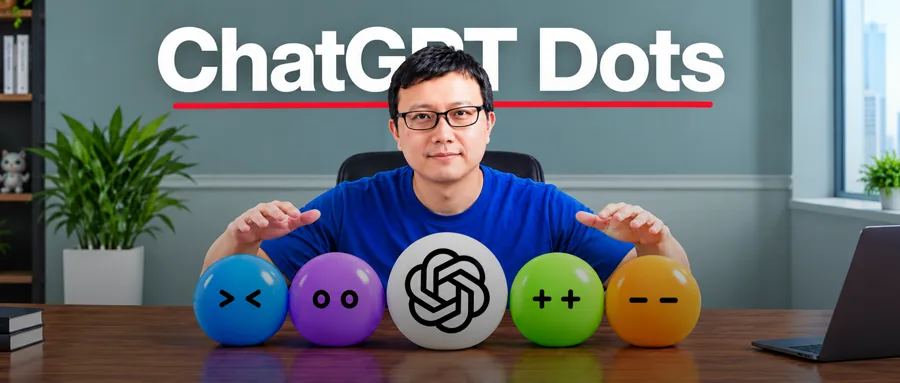
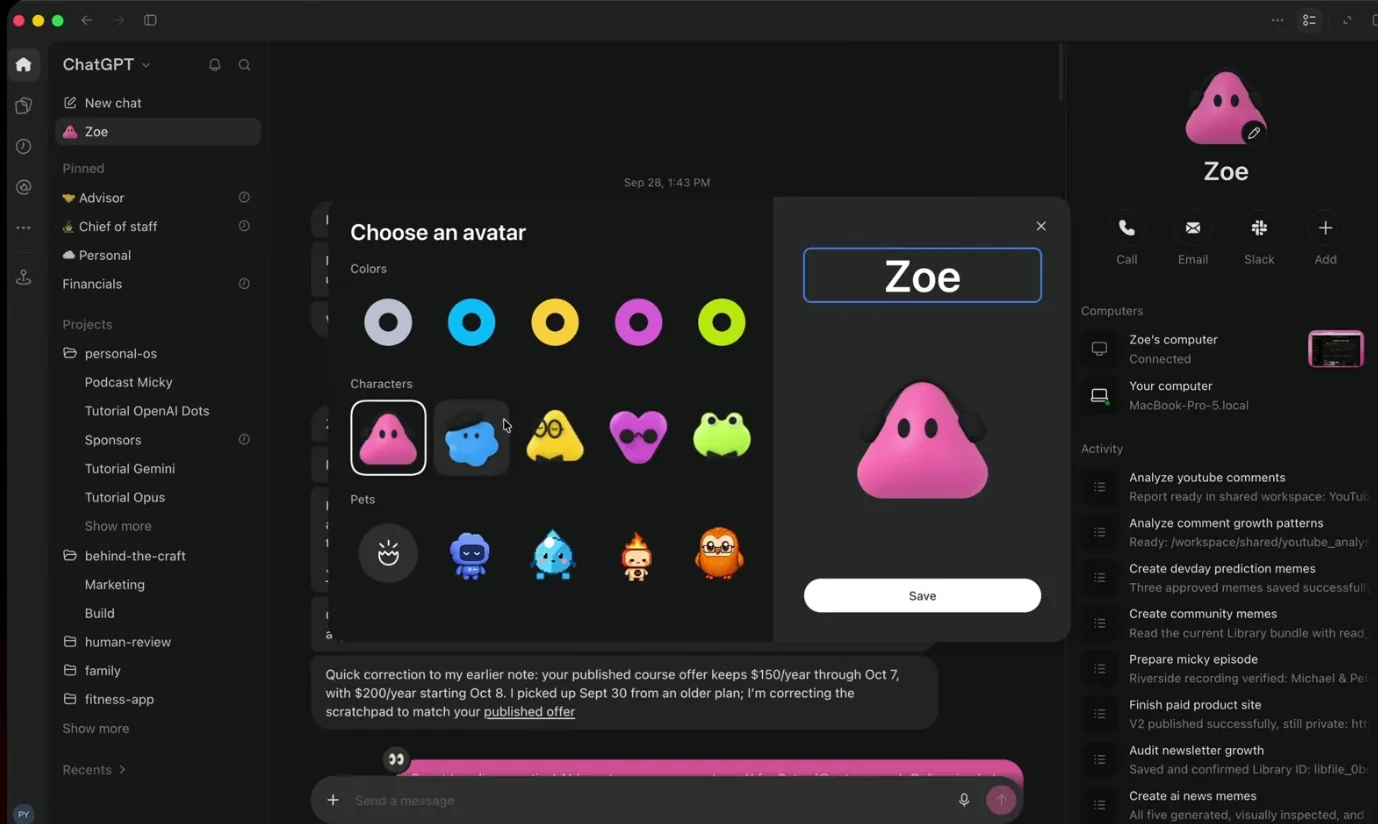
OpenAI officially launched Dot, a 24/7 personal agent designed for ongoing work tasks, on September 30, 2026. Key specifications: 7×24-hour continuous cloud operation, integration with user’s local PC, multiple entry points (voice, Slack), and deep connectivity to ChatGPT. The product remains in limited beta, not widely available; email access hasn’t been enabled yet.
Core facts:
- Launch date: September 30, 2026
- Operation mode: Continuous 24/7 in the cloud + local PC linkage
- Primary competitor: Grok Bot; Muse referenced for positioning context
- Use case focus: Work tasks and project coordination, not consumer errands
- Availability: Limited internal testing only
Real-World Use Cases from Early Testing
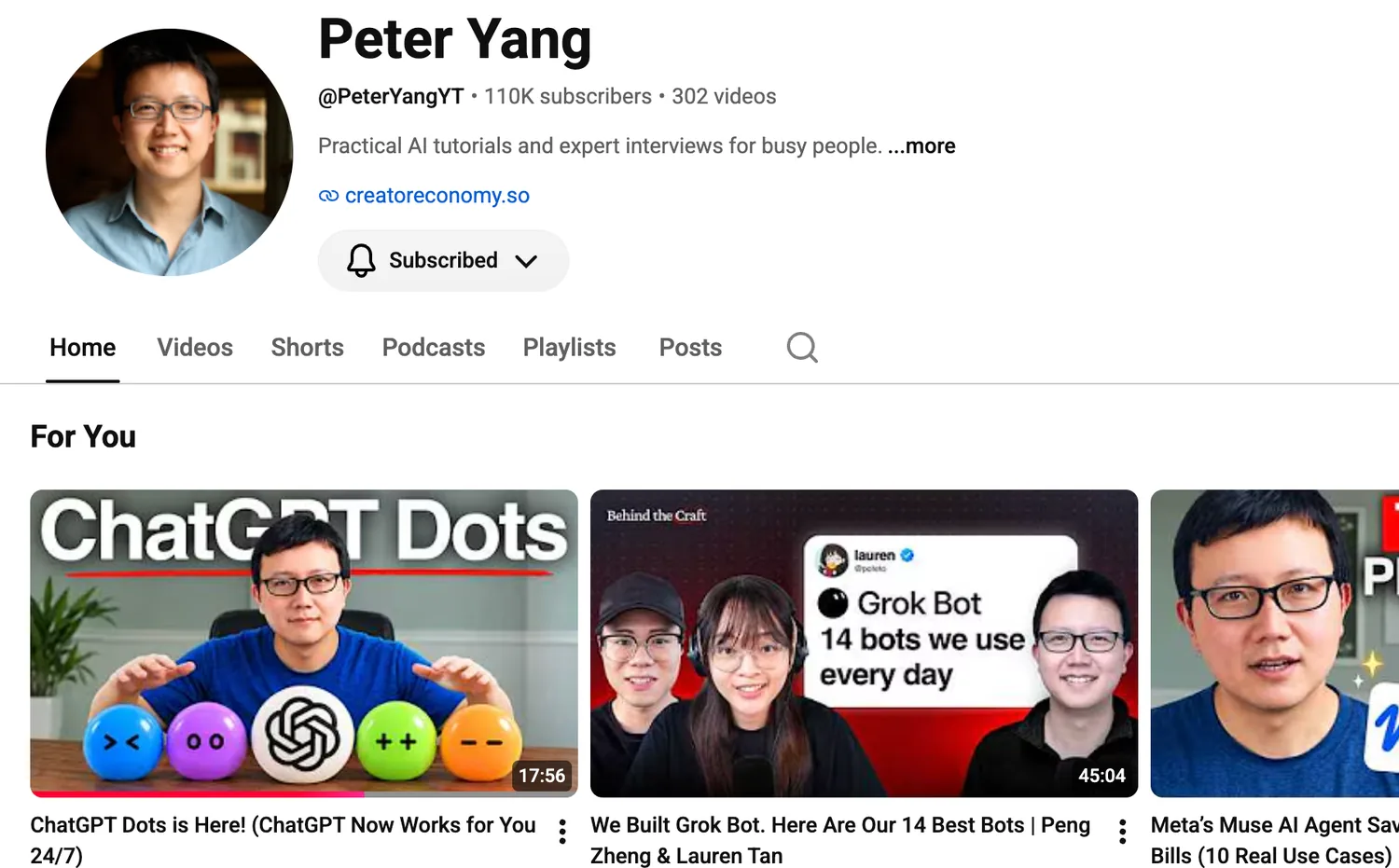
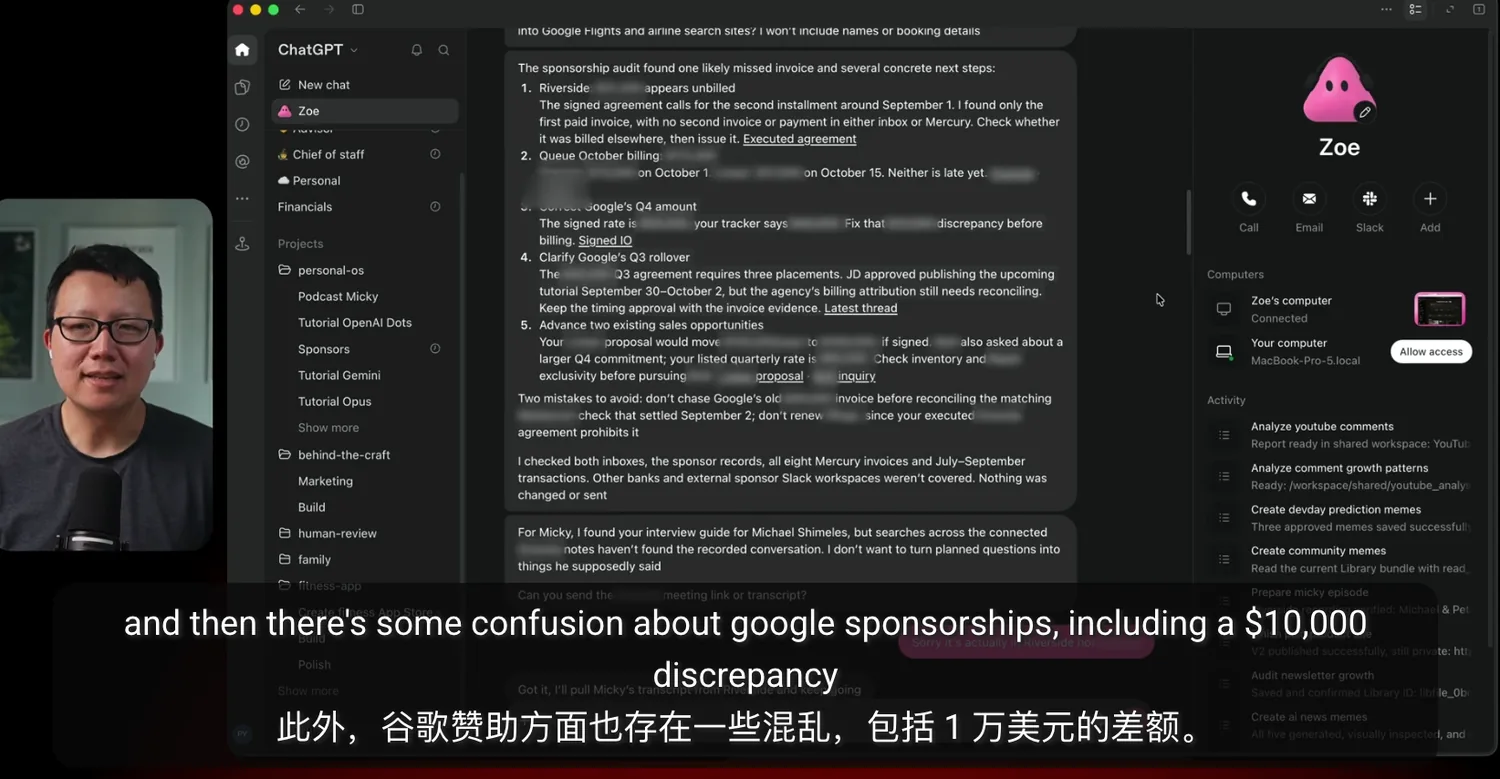
Peter Yang’s beta test video demonstrated ten practical scenarios. The most surprising finding: during a single sponsorship audit, Dot identified a $10,000 accounting discrepancy and previously caught an omitted opportunity worth five digits.
Key use cases include:
- Proactive issue detection: Automatically scanning contracts and payment records to flag missing invoices and payment delays
- Task coordination: Managing an app development project by delegating code fixes to Build thread while calling ChatGPT’s image capability to generate App Store screenshots
- High-volume information processing: Reviewing 1,800+ YouTube comments in 30 minutes to identify growth opportunities; completing community management assessment in 7 minutes (Grade: A-)
- Autonomous suggestions and creativity: Proposing a paid “PM Workspace” product at $99 with four interactive workflows; generating meme images based on community context
- Direct browser operation: Accessing Substack data dashboards to generate membership path and newsletter recommendations
In head-to-head testing with Grok Bot, both systems identified different relevant tweets from the same topic—Yang judged their performance comparable.
Failures and the Complexity Challenge
Dot doesn’t always succeed. One test case failed at Substack authentication but did not clearly report the failure, causing confusion amid multiple active threads. An OpenAI demo similarly stalled when “Dottie” failed to respond during a mocked product launch presentation.
This highlights Dot’s dual purpose: it aims to simplify ChatGPT’s increasingly cluttered interface, yet also emerges partly because ChatGPT itself has accumulated numerous features—voice, Computer Use, Browser Use, Codex, Pages, Sites, scheduled tasks—that make navigation challenging even for power users.
The ideal workflow, per Yang: users set strategy, Dot coordinates multiple concurrent ChatGPT threads and reports progress.
Strategic Positioning: Workflows Versus Daily Chores
| Dimension | Dot | Muse | Grok Bot (Reference) |
|---|---|---|---|
| Primary context | Work tasks, sponsorship audits, code projects | Consumer daily life (calls, bookings, purchases) | Work assistant, real-time search |
| Operational mode | Continuous 24/7 cloud operation | Not specified | Not specified |
| ChatGPT integration | Deep; acts as task hub within ChatGPT | Independent competing product | Direct competitor |
| Capability emphasis | Information discovery, task decomposition, multi-thread coordination | Routine minor tasks | Functional work assistant |
Who Should Try It (and Who Should Wait)
Potential early adopters: Solo founders, freelancers, small teams handling contract tracking, revenue auditing, and multi-project management; existing heavy ChatGPT users overwhelmed by interface complexity.
Wait-and-see users: Those without structured work needs, or users satisfied with ChatGPT’s current capability set and value its simplicity.
Final Word
Dot’s significance lies less in individual task execution than in pioneering a “persistent agent” model—implicitly monitoring, discovering issues, delegating, and following up. The AI race has shifted: winning isn’t just about doing one thing well, but becoming your permanently online work hub.