
Key change: ChatGPT gets a teen entry point
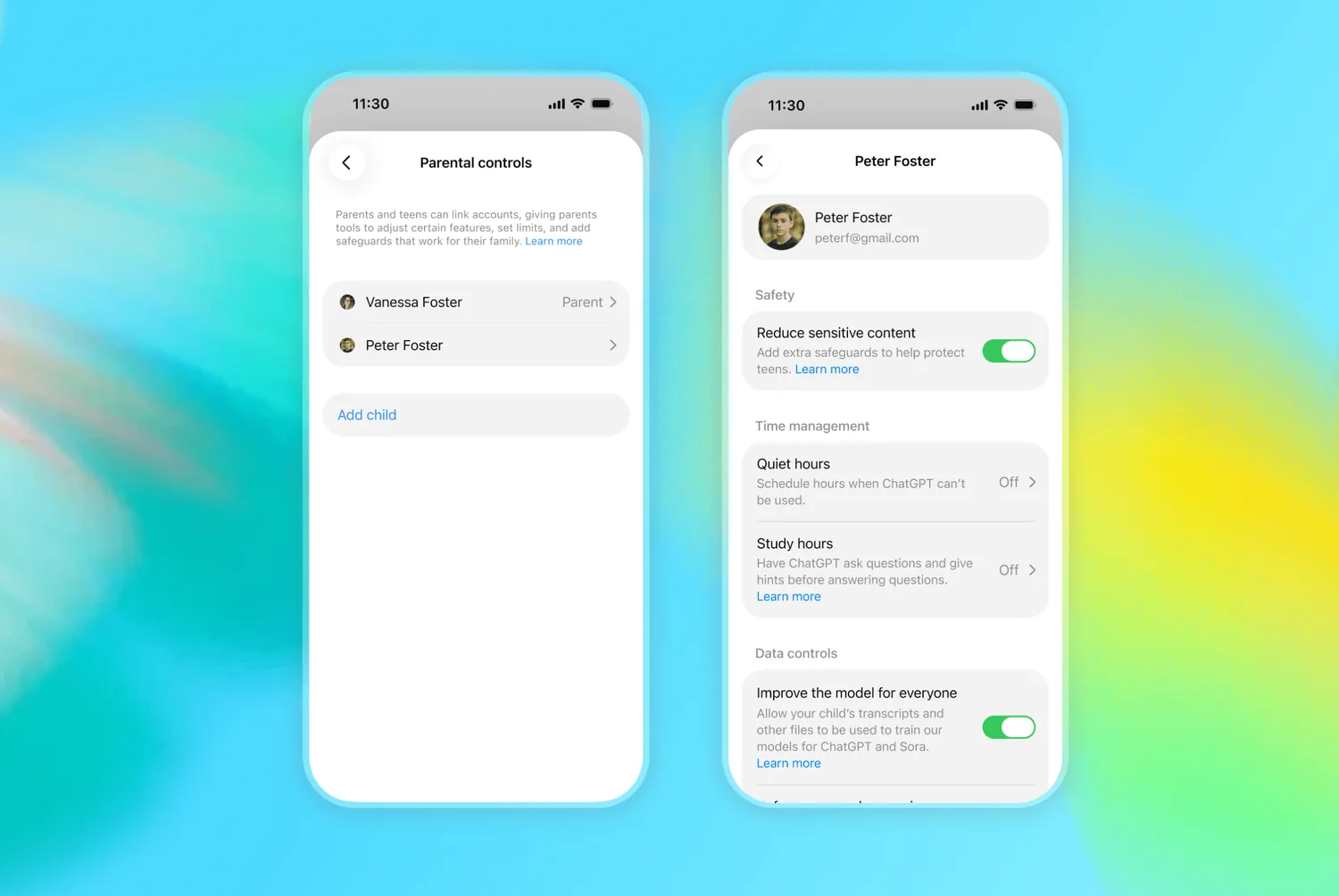
OpenAI is rolling out a dedicated teen mode for ChatGPT, bringing existing minor-protection mechanisms and several new safety features together into a single experience. The mode applies to users who self-report being 13 to 17, and also covers users the system estimates may be under 18; under OpenAI’s published age policy, children under 13 are not allowed to use the platform.
OpenAI describes this experience as a product design meant to help teens learn, think critically, deepen understanding, and use AI with more confidence. It arrives amid rising public concern over how AI tools affect young users, while other platforms are also advancing age verification and teen protection measures. For ordinary users, this means ChatGPT will no longer apply one uniform set of rules to every age group; instead, it is beginning to treat teens as a group that needs its own product boundaries.
Protection by default: tighter limits on sensitive content

The focus of teen mode is making protection the default. OpenAI says the experience applies stricter limits to prohibited or sensitive content, including graphic violence, descriptions of self-harm, and sexual or romantic role-play. Around topics such as eating disorders, the system will also show warnings and safety information.
Parents also get more control options: they can set “quiet hours” and receive notifications when the system flags a possible safety risk. Here, “safety risk” does not mean harm has already occurred; it refers to signals the system detects in a conversation that warrant an alert or escalation. For teen products, the key is not only blocking things after the fact, but also reducing the potential for misinformation and immersive interaction ahead of time when high-risk topics arise.
The main mechanisms can be summarized as:
- Who it applies to: users who self-report being 13 to 17, and users the system estimates are under 18;
- Content limits: stricter rules for violence, self-harm, sexual or romantic role-play, and similar content;
- Parent tools: quiet hours and safety alert notifications;
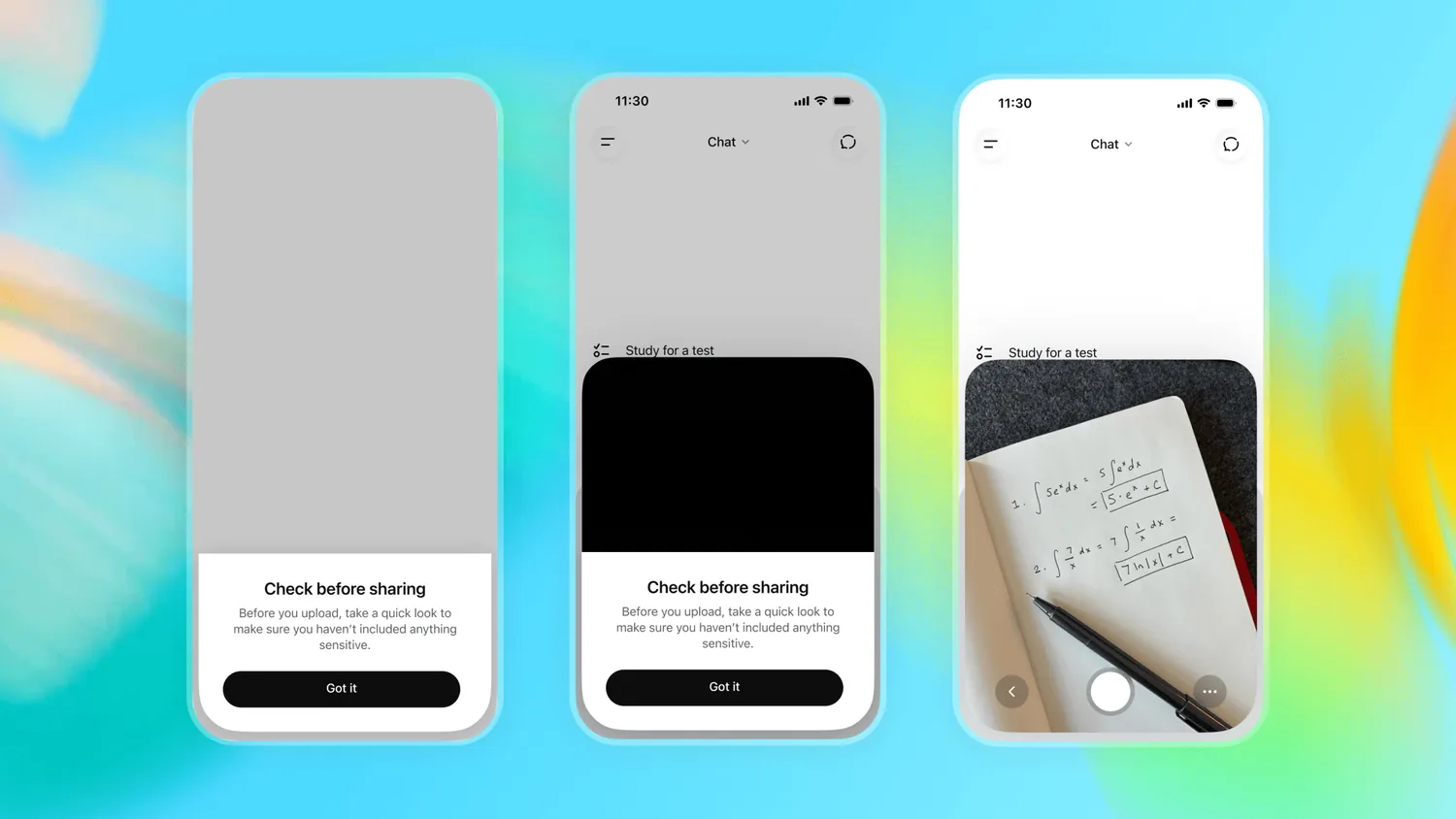
- Healthy use: reminders for sensitive image uploads and more teen-oriented guidance.
Learning scenarios: preventing AI from becoming a homework shortcut
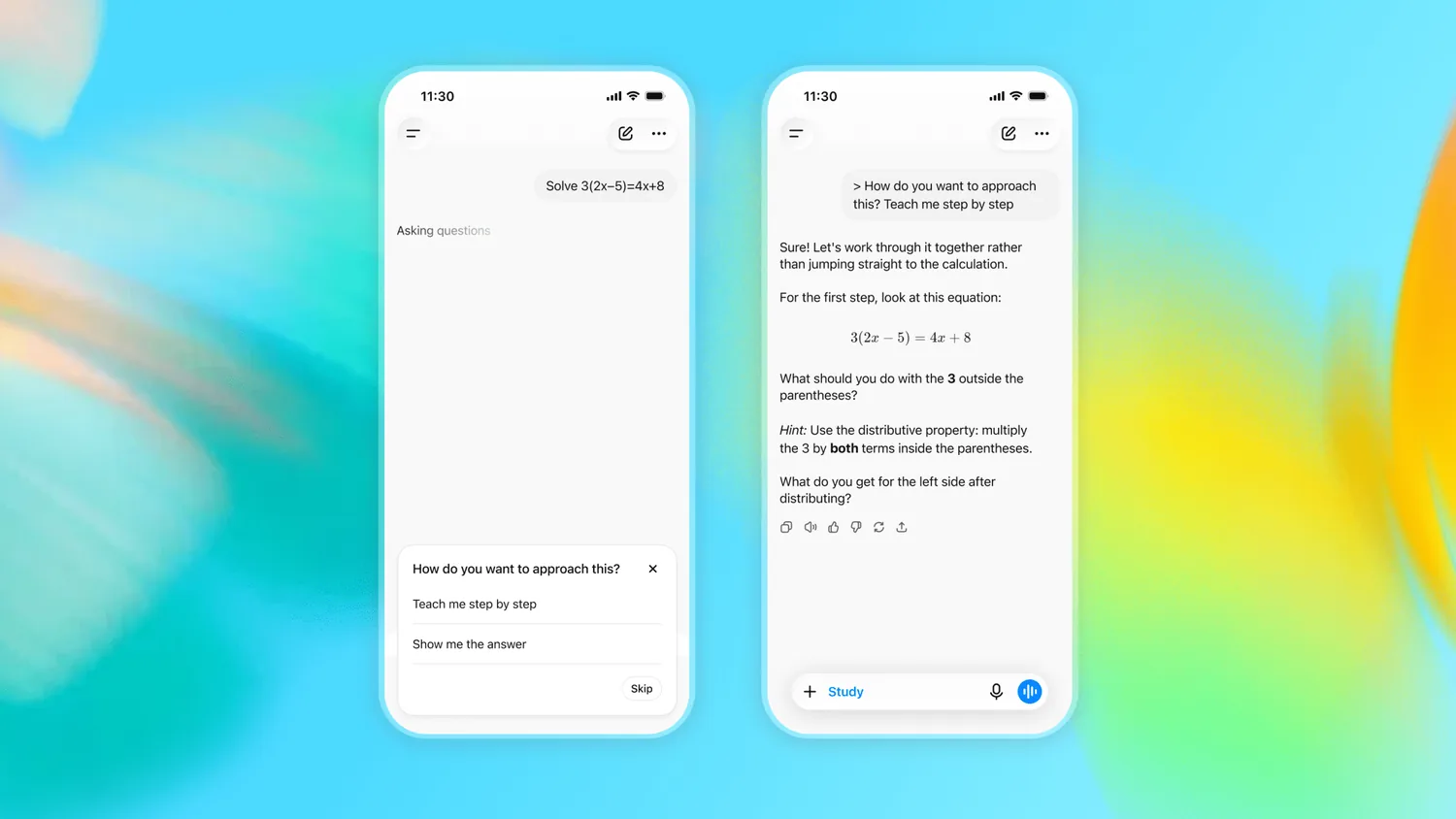
OpenAI has also added “responsible homework reminders.” The company says that when the system detects that a teen appears to be trying to bypass the homework process entirely, it will guide the user to ChatGPT’s dedicated study mode. Study mode can be understood as a way of using the tool that places more emphasis on explanation, questioning, and step-by-step guidance, rather than directly providing a submittable answer.
Teens or parents can also set “study hours,” which automatically enable study mode at designated times. In addition, teen mode includes a dedicated onboarding experience and personalization options such as accent colors and voice variations. OpenAI also says it will display reminders in sensitive image-upload scenarios and encourage “healthier, more balanced” usage habits.
These design choices reflect the dilemma facing AI learning products: on one hand, generative AI can lower the barrier to getting explanations and feedback; on the other, it can let students skip the thinking process. OpenAI does not claim this time that ChatGPT can fully judge learning intent. Instead, it constrains the user journey through reminders and mode switching, which is closer to “guided use” in educational settings than an outright ban.
Not a brand-new invention, but a consolidation
Although OpenAI is packaging it as a new teen experience, the report notes that many of the protections are not appearing for the first time. Age prediction launched earlier this year; parental controls and study mode rolled out about a year ago; and additional break reminders were an update mentioned last month. In other words, this launch is more like consolidating scattered features into a “ChatGPT for Teens” product entry point, while adding a few smaller new items and adjustments.
This consolidation still matters. For parents and teens, safety features have less real impact if they are scattered across different menus or off by default. Bringing rules, reminders, study mode, and parent notifications together under teen mode helps lower the setup barrier and gives the platform a clearer public-facing boundary of responsibility.
Industry watch: teen AI experiences will become a platform standard
OpenAI says its teen protections are built on ongoing safety research, and that it will publish more findings in the future and continue building safety features that help teens benefit from AI. Its statement stresses that teens can engage with AI, but that this engagement should match their developmental stage, strengthen real-world relationships, and support healthy long-term use.
From an industry-trend perspective, teen mode may become a baseline feature for major AI platforms. The next competitive focus will not just be model capability and response speed, but also whether age detection is reliable, whether parental controls are easy to use, whether learning guidance can reduce ghostwriting-style use, and whether platforms can transparently explain the effectiveness of their safety mechanisms. For OpenAI, ChatGPT for Teens is a step toward responding to regulatory and social pressure; for the AI industry as a whole, it signals that general-purpose chatbots are moving from “one-size-fits-all” toward layered governance by age and scenario.