
Open or Closed AI: A New Crossroads for startups’ Model Strategy
At TechCrunch Disrupt 2026 (October 13-15, Moscone West, San Francisco), AI founders and industry leaders will explore how multi-model strategies are replacing the traditional “open vs. closed” binary decision. Rather than committing to a single architecture, current practice favors task-specific model selection—a shift reshaping both technical architecture and business strategy in AI product development.
Key facts:
- Event dates: October 13-15, 2026
- Location: Moscone West, San Francisco
- Expected scale: 10,000+ attendees, 250+ speakers, 300+ exhibiting startups
- Pricing: Up to $100 discount on passes; 50% off for second ticket; $75 Expo+ Pass for laid-off professionals
Multi-Model Approaches: Balancing Performance, Cost, and Flexibility
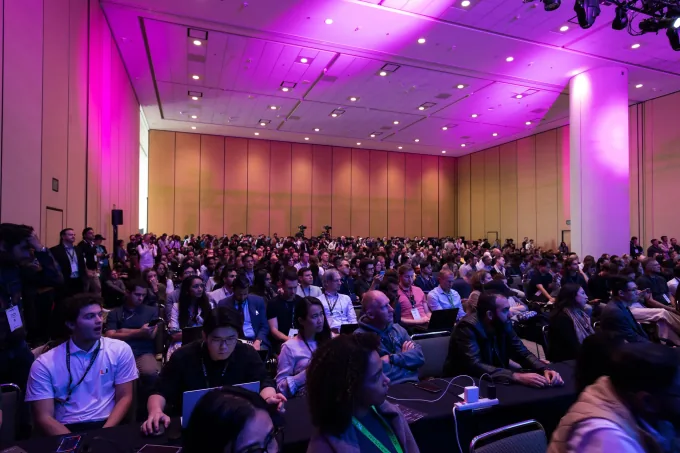
Four sessions outline the emerging consensus:
First, the era of “one model to rule them all” is ending. Mo Jomaa (CapitalG), Vipul Ved Prakash (Together AI), and Zuzanna Stamirowska (Pathway) will discuss how leading AI companies compile different models for different jobs. Startups now select models based on specific requirements: open-source models for customizable reasoning tasks, frontier APIs for low-latency interactions, and specialized models for niche domains.
Second, ownership strategy extends beyond technology to business model design. Oumi CEO Manos Koukoumidis will present a practical framework in “Which AI Should Your Company Actually Deploy: Rent, Customize, or Build?” The framework evaluates three paths: Rent, Customize, or Build. Critical trade-offs include control vs. resource consumption: deep self-build enables differentiation but demands significant engineering investment, while external dependencies reduce upfront costs but constrain long-term agility.
Third, the open/closed boundary is increasingly domain-specific. NVIDIA’s Nader Khalil and Sydney Sykes note that founders weight organizational needs—customization depth, data sovereignty, supply chain risk—when choosing between frontier APIs and open-weights. Industries like healthcare favor open models for auditability, whereas consumer apps often prioritize API responsiveness.
Hardware-AI Co-Design: Next-Gen Infrastructure Evolution
Anna Goldie and Azalia Mirhoseini of Ricursive Intelligence will reveal a counterintuitive trend in their talk: AI is no longer just consuming hardware—it’s helping design it. Their presentation explores how AI optimizes chip layouts and accelerates hardware prototyping. This evolution could shorten time-to-market for compute-intensive startups.
An important irony: while open AI ecosystems appear to decentralize control, hardware vendors deepen their ecosystem position through integrated software stacks. Developers using open weights may still depend on proprietary optimization libraries, creating hidden dependencies. Founders must evaluate not just weight openness but also toolchain interoperability.
Decision Framework for Founders
Based on session themes, three principles emerge:
- Task-first matching: Assign models based on specific task requirements (e.g., open-source for document processing, APIs for real-time chat)
- Full lifecycle cost analysis: Consider not just per-request fees but training, tuning, and migration costs over time
- Architecture reversibility: Design abstraction layers enabling model switching without core rewrites
Reader Recommendations
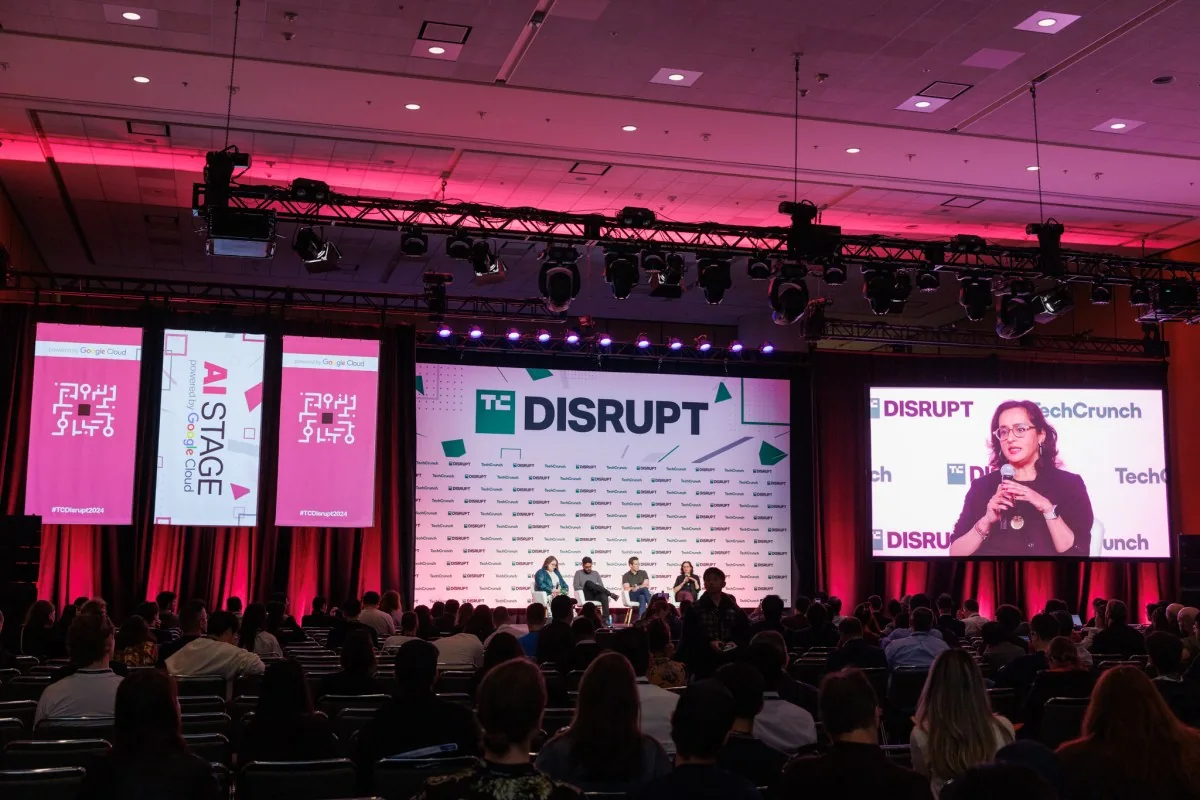
Consider attending if you:
- ✅ Are a startup past MVP stage, planning scalable architecture decisions
- ✅ Seek practical comparison tools to model impact on iteration velocity
- ❌ Already deeply committed to single-vendor closed AI and face regulatory scrutiny
Final Word
Disrupt 2026 conveys a clear message: AI product success increasingly depends on architectural elasticity rather than single-point technological superiority. As model upgrade cycles shrink from annual to quarterly, the ability to switch models swiftly—not technological monopoly—becomes the true competitive advantage for startups.