
Core Announcement & Key Facts
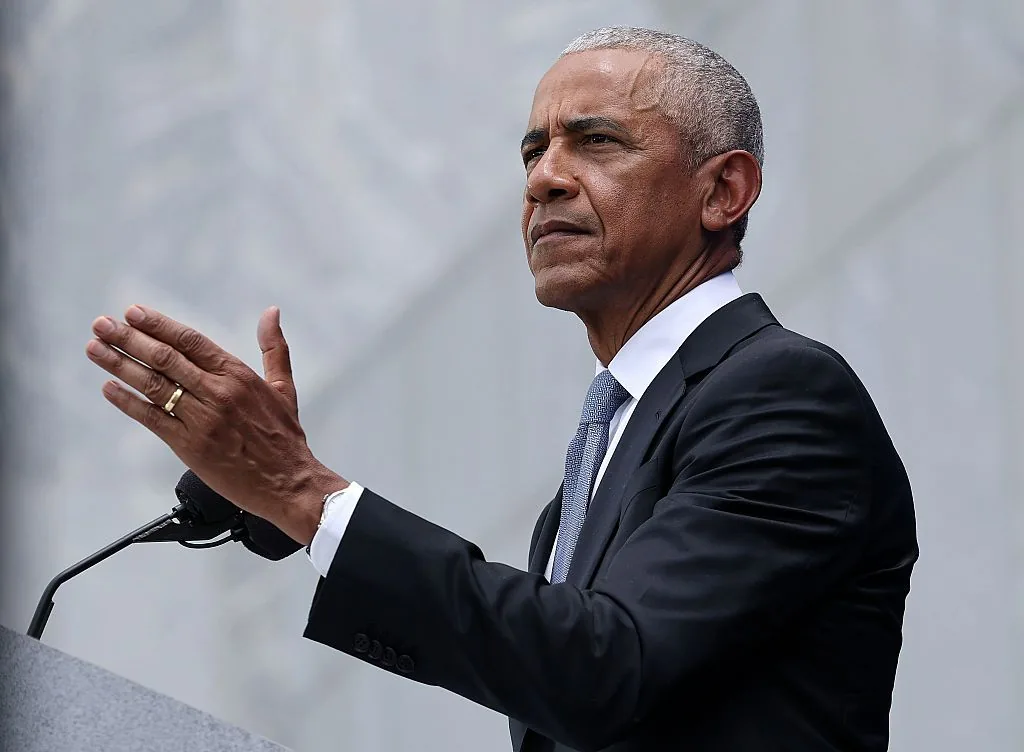
On Thursday, September 13, 2026, former U.S. President Barack Obama addressed Democratic donors at a fundraising event, emphasizing artificial intelligence requires urgent, coordinated policy action. House Minority Leader Hakeem Jeffries led the interview; Obama’s office released a partial transcript. Key facts:
- Obama urged Democrats to make AI one of their “central agendas” and develop a “very clear plan” for economic and safety impacts;
- Called for a public conversation framework once Democrats regain the House;
- Offered himself as a “sounding board” to AI executives, confirming discussions with Anthropic CEO Dario Amodei and OpenAI CEO Sam Altman;
- No specific legislation or timeline has been proposed—this remains a policy appeal.
Policy Positions & Industry Responses
Obama warned that AI is advancing rapidly in private hands, and without government engagement, it “can be dangerous.” Yet he stressed its potential to accelerate drug development and help cure diseases.
Jeffries responded affirmatively, stating decisive action on AI is necessary and accusing Republicans of abdicating their responsibility to govern for Americans. An unexpected contrast emerges: while Democrats push for regulatory involvement, Republicans—including former President Trump—frame the issue as one of national competitiveness rather than systemic risk.
Trump commented on Saturday at an Irish golf club: “Whoever wins AI wins,” and asserted the U.S. must remain the most sophisticated globally. He acknowledged guardrails are possible but questioned whether some safety concerns are unnecessarily amplified by “negative forces.”
Industry-Led Safety Initiatives
In parallel to political discourse, leading AI companies are outlining safety proposals. Anthropic CEO Dario Amodei outlined a “pacing the frontier” approach to safety, including:
- Granting independent safety evaluators access to leading AI companies and models;
- Developing common safety standards across firms.
Altman publicly endorsed this direction via social media, stating OpenAI will commit to “having independent evaluators with employee-like access.” Elon Musk also signaled support. Crucially, no enforceable deadlines or technical specifications were included in the described plans.
| Actor | Safety Governance Commitment | Source |
|---|---|---|
| Obama (former president) | Central agenda item; public framework; AI brings both risk and societal benefit | NYT transcript |
| Amodei (Anthropic CEO) | “Pacing the frontier” with evaluator access and common standards | TechCrunch report |
| Altman (OpenAI CEO) | Commit to independent evaluators with employee-like access | Public social media post |
| Trump (former president) | Focus on national competitiveness; guardrails possible but safety narratives questioned | Bloomberg report |
Practical Guidance
For tech companies: The political momentum toward AI governance is real. Monitor Democratic proposals in Congress post-election; early investment in internal risk assessment systems could provide strategic advantage.
For safety researchers: Amodei’s call for common standards—if adopted—could standardize evaluation practices. Without specifics, however, implementation complexity remains high. Focus on interoperability may outlast company-specific initiatives.
For individual users: No immediate changes to product availability. Should future legislation mandate pre-deployment reviews, consumer AI tools may undergo deeper scrutiny, but current sources do not specify changes to privacy, content moderation, or safety-by-design requirements.
Final Note
As AI capabilities outpace existing legal frameworks, regulators are shifting from reactive to proactive. The real challenge lies not in articulating principles, but in building institutions capable of enforcement and cross-sector coordination.