
Nvidia’s Vera CPU Wins Its First Order From an AI-Native Cloud Startup
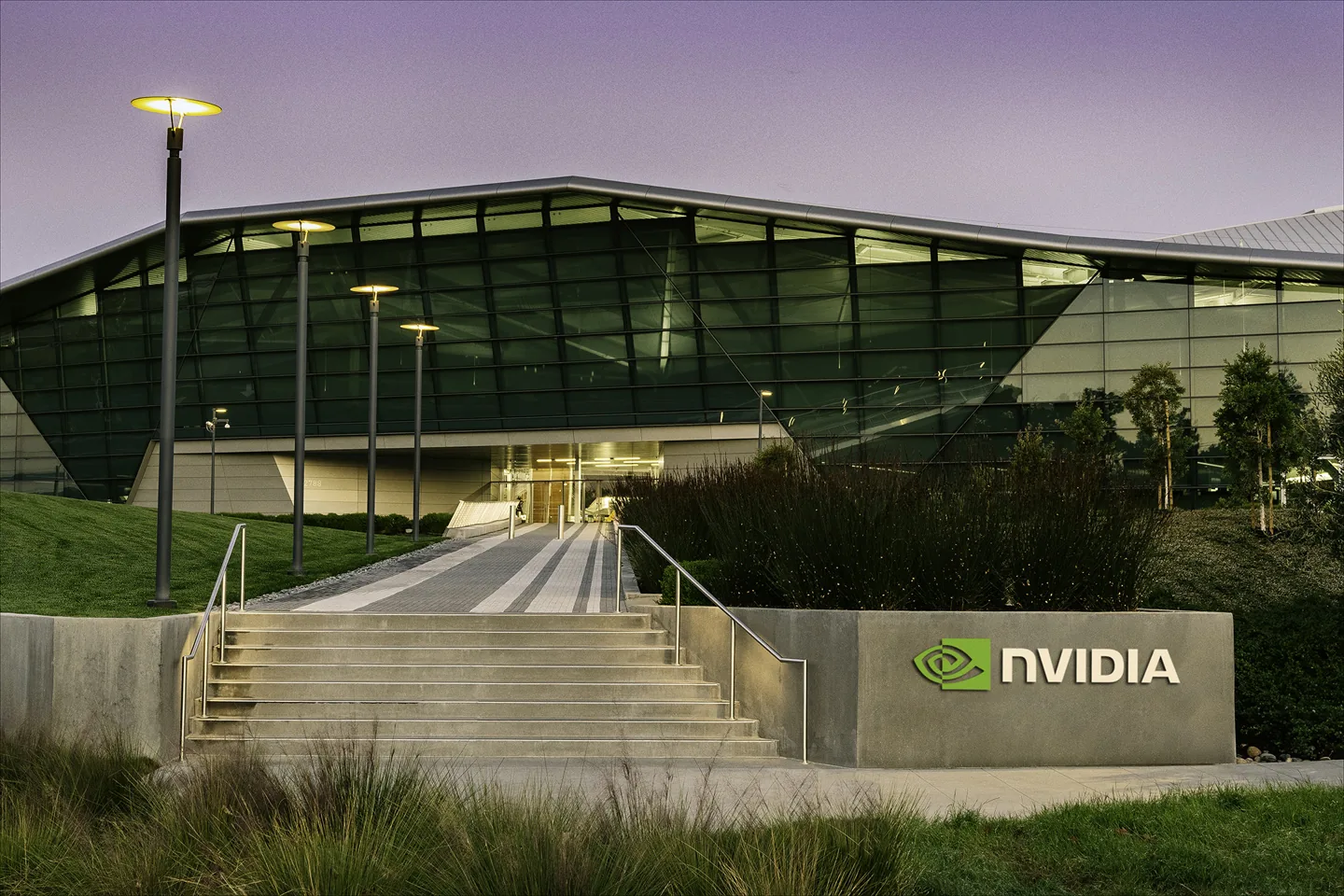
Nvidia has taken an order for its new Vera CPU from Modal, a startup that rents out compute to AI developers — the first time Modal will run this part of its business on something other than Intel and AMD chips.
The hard facts:
- Who: Modal, a cloud-compute startup serving AI developers.
- What: Nvidia’s new Vera CPU, used to host AI agents — systems that carry out long-horizon tasks on a person’s behalf.
- When: announced by Modal on Monday, per Reuters (via IT Home, Oct 20).
- How: a hybrid cluster. Vera runs in parallel with existing Intel and AMD gear, with tasks scheduled to the best-fit hardware. Modal is not dropping its current suppliers.
- Why: early tests showed Vera doubled AI-agent task throughput — the amount of work completed per unit of time.
- Price and availability: not disclosed in the source material, along with any detail on quotas or software interfaces.
Server CPUs have long been an Intel-and-AMD duopoly; until now, this part of Modal’s business ran only on their chips. For Nvidia, it is a small opening into a market its two rivals have owned for years.
Throughput Doubled, Supplier List Unchanged
Why do AI agents lean on CPUs at all? As a matter of general industry knowledge, agents repeatedly call tools, hold state and orchestrate multi-step jobs — scheduling work that suits general-purpose processors more than the parallel math GPUs are built for. Compute renters also sell finished tasks, not chip model numbers, which is why a doubling in throughput is the number that matters here.
Modal’s approach is telling. CEO Erik Bernhardsson stressed that the company is not abandoning its existing vendors. Wiring in Nvidia’s chip required deep changes to Modal’s underlying software; the payoff was twice the agent throughput.
The tests were benchmarked against Intel and AMD chips that are shipping today. Both rivals are developing next-generation parts expected to narrow the performance gap with Nvidia. “When the new products launch, we’ll test them,” Bernhardsson said, adding that a hybrid architecture means Modal “can deploy the best-performing hardware at any time.” Not being tied to one vendor is also what preserves switching power — and pricing leverage — at the next chip generational change.
The contrast sits with the customer. Modal closed a $750M round led by Accel last week at a $15.75B post-money valuation, and says revenue could reach $1B next year, with usage tripling and year-over-year revenue up more than 15x. A fast-scaling, compute-hungry company still chose “both” over “switch.”
Nvidia’s own ambition is bigger: it told investors it targets at least $20B in Vera sales this fiscal year, the opening move in a market worth roughly $200B. That target is about a tenth of the market it is chasing — replacement in the telling, a slice in practice. Nvidia has previously said OpenAI, Anthropic, Oracle and Perplexity also plan to adopt the chip.
The Numbers
| Item | Figure |
|---|---|
| Modal’s latest round | $750M, led by Accel |
| Modal post-money valuation | $15.75B |
| Modal revenue target for next year | $1B |
| Modal usage growth | tripled (as stated) |
| Modal year-over-year revenue growth | more than 15x |
| Agent throughput gain in Modal’s early tests | doubled |
| Nvidia Vera sales target, this fiscal year | at least $20B |
| CPU market Nvidia is targeting | about $200B |
Who Should Try It, Who Should Wait
Worth a trial:
- Small and mid-sized teams running agents and long-horizon tasks. If scheduling workloads are becoming a major cost line, a platform like Modal that pools Nvidia, Intel and AMD silicon and schedules by task is a reasonable place for a small pilot — at minimum you get real side-by-side data.
- Enterprise buyers. Add “maturity of hybrid-scheduling software” to the checklist. Silicon ages fast, and the freedom to switch is often worth more than any single benchmark.
Better to wait:
- Production environments that need clear pricing and SLAs (service-level agreements on uptime and response time). The only public performance figure comes from Modal’s early tests, and Modal itself says deep software changes were required — the toolchain is not plug-and-play yet.
- Buyers planning to pick a single vendor among Intel, AMD and Nvidia. Both rivals’ next-generation parts have not shipped, so choosing now means benchmarking against the old generation.
Final Word
The symbolism of this order outweighs its near-term revenue: Nvidia is extending from GPUs into CPUs by starting with AI-native customers, sidestepping the habits of the traditional server market. But Modal’s hybrid deployment says customers are willing to try, not yet willing to commit. In a $200B market, Nvidia guides only $20B this year — there is a long way to go.