Core Event: RTX Spark Superchip Platform Officially Launched
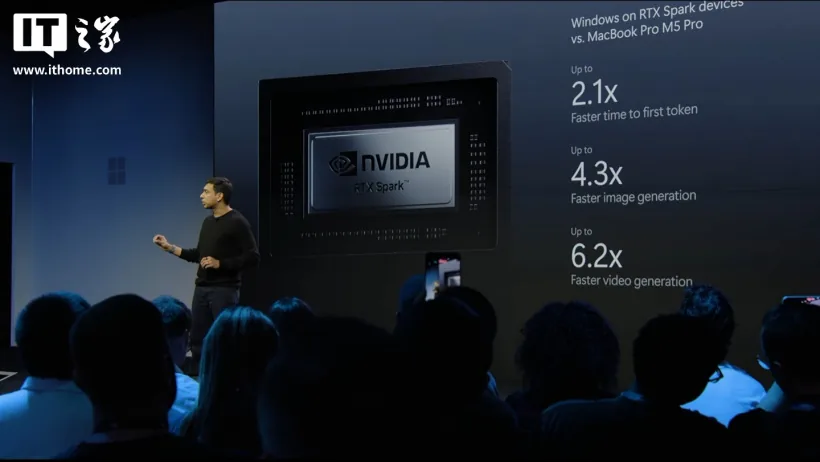
On October 7 Pacific Time (1 a.m. Beijing Time on October 8), NVIDIA held a launch event in San Francisco to officially unveil the RTX Spark superchip platform. Jensen Huang announced on stage that the platform has been tested with over 1,200 applications and called it “the world’s only computer capable of natively running every application on-device.” Nearly every laptop, desktop, and workstation manufacturer has joined NVIDIA’s partner ecosystem, with products slated to launch over the coming months.
Technical Details and Ecosystem Strategy
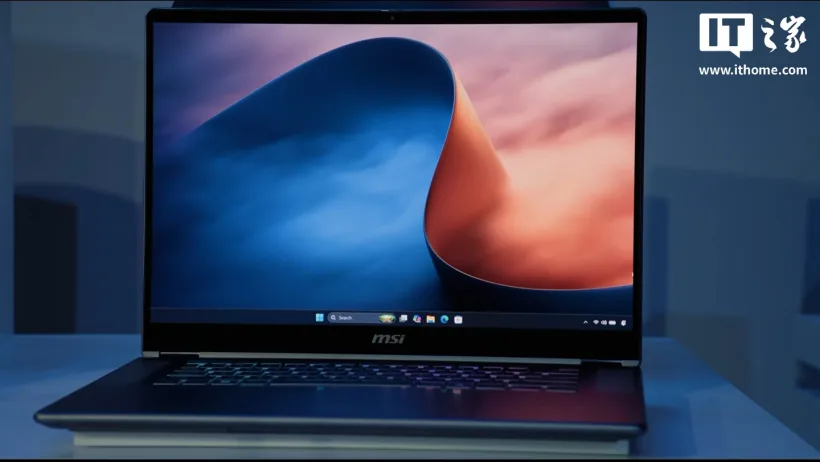
RTX Spark is not a single chip but a superchip platform comprising a CPU, GPU, and NPU. Jensen Huang emphasized that its core capability is running DirectX, OpenGL, and all CUDA applications simultaneously, delivering full compatibility with the Windows ecosystem. The 1,200+ applications NVIDIA tested span the full range of scenarios, including office productivity, design, development, and gaming.
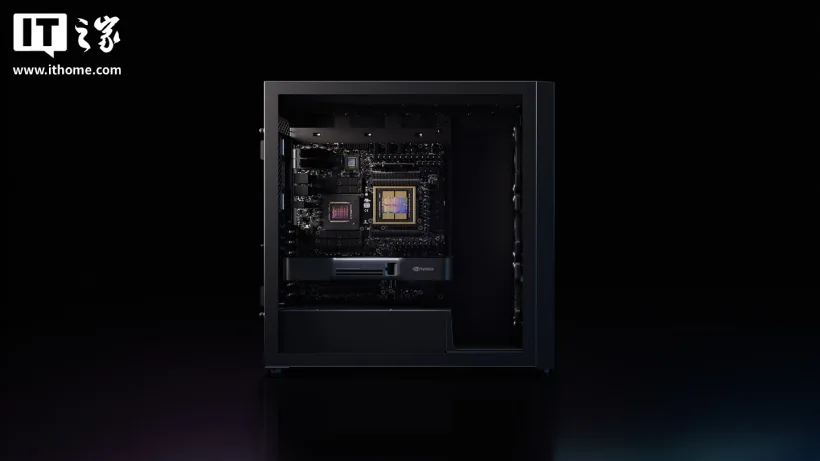
At the hardware ecosystem level, NVIDIA is covering multiple tiers of devices: lightweight AI PCs for mainstream consumers; professional workstations for developers and creative professionals; and high-performance devices such as DGX Station for enterprise-grade AI training. This full-stack “desktop-to-workstation” coverage underscores its ambition to democratize local AI capabilities.
Product Positioning and User Value
RTX Spark’s core value lies in localized AI processing. Jensen Huang noted that the platform is not merely a “tool” but will become a “personal assistant,” enabling users to work, learn, and create on-device without relying on the cloud. This means user data can remain entirely on the local device, reducing privacy leak risks and avoiding the impact of network latency on real-time tasks. He positioned the RTX Spark PC as: “This superchip is outstanding. It is the only computer that can run DirectX and all its applications, OpenGL… and can perfectly run all CUDA applications”; he also said: “The RTX Spark PC will be a tool for people, but it will also become our personal assistant, and we can use it to work as well.”
Notably, the launch event did not disclose specific pricing or a release schedule, only saying that partner manufacturers’ products will “roll out over the coming months.”
Recommendations for Readers
- Users who should pay attention immediately: Professional designers, 3D modelers, and CUDA developers—the ability to run native CUDA applications locally will significantly improve workflow efficiency; business professionals—a local AI assistant can handle documents, meeting notes, and other tasks while keeping data secure.
- Users advised to wait: General office users—if you mainly use lightweight applications such as Office and browsers, current mainstream mid-to-high-end laptops already meet your needs, so you can wait for the first lower-cost model to launch; gamers—unless there is explicit mention of optimizations for the latest DirectX 12 Ultimate games, it is advisable to watch for actual benchmark performance in specific games.
Final Thoughts
Local AI PCs are the next gateway that leading vendors are competing for, but true adoption requires clearing three hurdles: application compatibility, power consumption control, and cost control. Leveraging its CUDA ecosystem advantage, NVIDIA has been the first to play the local-AI card. Whether it can turn technical buzz into market penetration will depend on the pace of OEM mass production and the depth of collaboration with software developers.