
Event Summary: TechCrunch Disrupt 2026 Keynote Preview
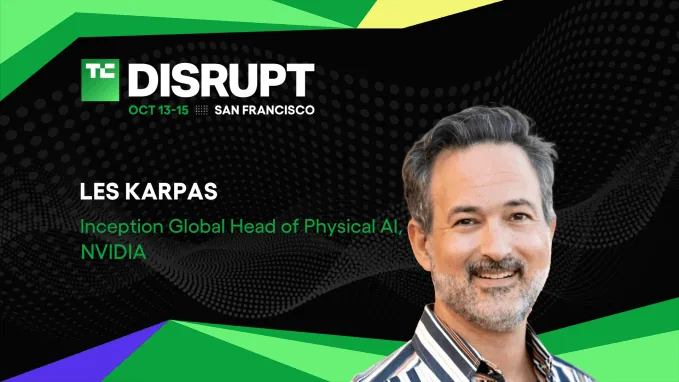
- Event dates: October 13–15, 2026
- Location: Moscone West Convention Center, San Francisco, USA
- Speaker: Les Karpas (Global Head of Physical AI, Nvidia Inception)
- Talk title: “Robots Are Still Waiting for Their ChatGPT Moment”
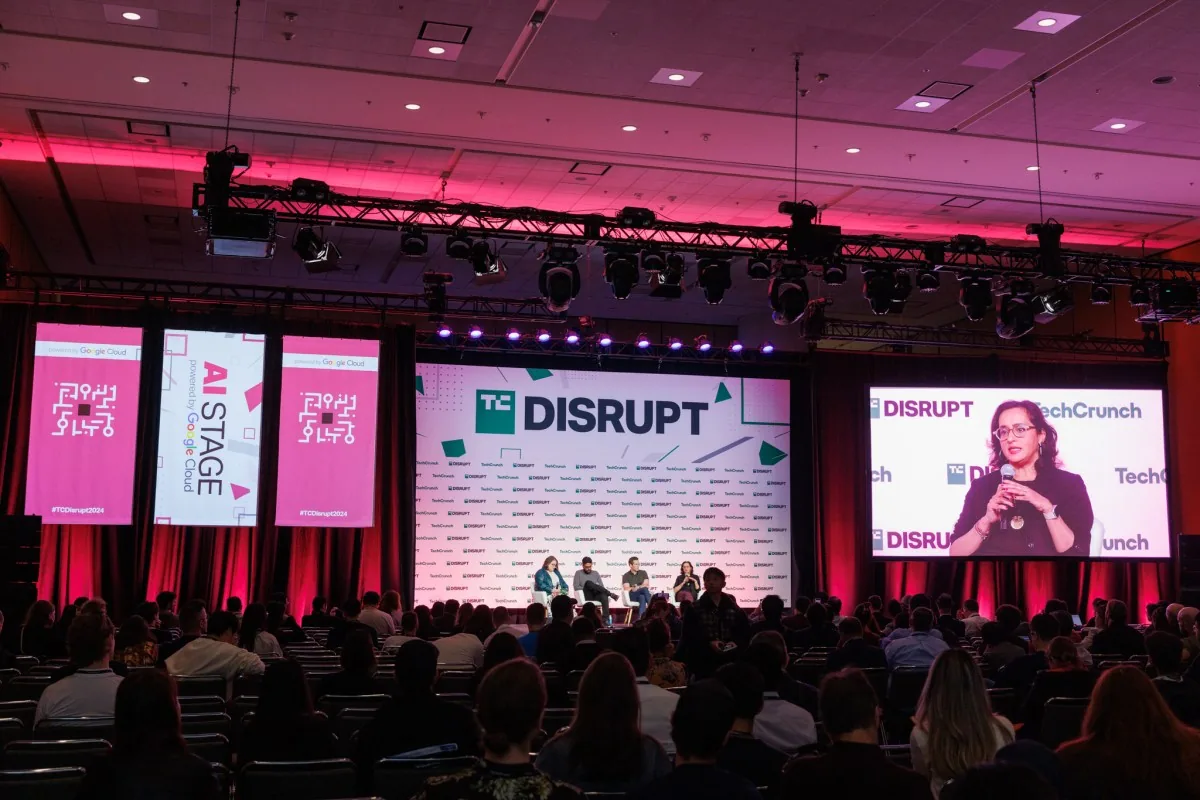
- Stage segment: Real World AI Stage
- Registration offer: Save up to $200 by September 25; group registration gets up to 30% off
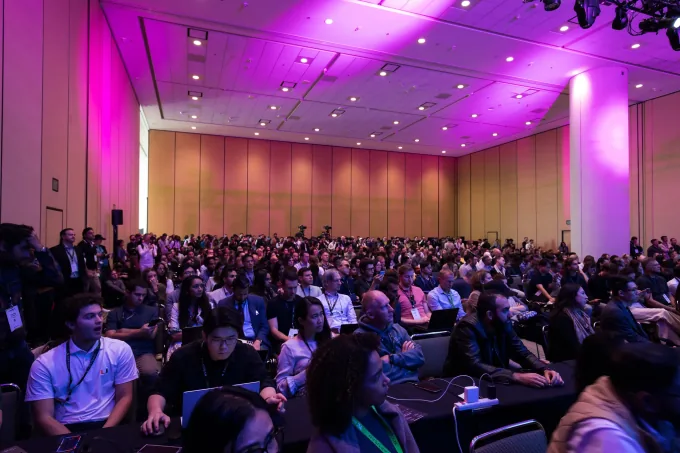
- Expected attendance: More than 10,000 technology executives, founders, and investors
Core Challenge: Data Disadvantage Delays Robot Deployment
Karpas points out that the root cause of the robotics industry’s failure to achieve a consumer-grade breakthrough is its lack of an internet-scale data pool comparable to those used to train language models. Unlike the AI field—where companies such as OpenAI and Anthropic can quickly train large language models on massive amounts of text data—physical AI has no ready-made “internet-scale” dataset of the physical world.
The contrast in data availability:
- The autonomous driving industry can at least rely on companies such as Waymo to accumulate data through years of road miles, and those datasets continue to expand;
- General-purpose robots, however, face a much larger gap: real-world physical interaction data is harder to collect at scale, and the interaction patterns for each robot form factor differ significantly.
To compensate for this shortcoming, a group of startups is trying to artificially build data scale through simulation systems, synthetic data, and cross-platform foundation models. In his talk, Karpas will join the founders of Shield AI, Colossal Biosciences, FieldAI, and Foxglove to discuss the unique challenges in this space.
Nvidia’s Ecosystem Perspective: Connecting a Cross-Industry Innovation Network
Karpas’s résumé gives him a unique ability to see across the industry. As the global head of the Nvidia Inception program, he coordinates Nvidia’s work with a broad startup ecosystem spanning robotics, automotive, manufacturing, mobility, smart cities, and beyond. His career path spans industrial manufacturing (Stanley Black & Decker, Herman Miller), innovation incubation (Intellectual Ventures), consumer robotics (iRobot), creative technology (Cirque du Soleil), and venture capital, with roles including architect, manufacturing engineer, startup CEO, and corporate venture capital executive.
This cross-disciplinary experience allows him to focus on the industry’s essential problem: the physical world’s “digital-to-real gap” is the key obstacle to technology deployment. This is also why TechCrunch created the “Real World AI Stage”—to focus on the challenge of moving AI from the lab into reality.
| Agenda Highlight | Participant | Topic Focus |
|---|---|---|
| Keynote | Les Karpas (Nvidia) | Analysis of physical AI bottlenecks and paths to breakthrough |
| Case Study | Shield AI | Real-world challenges of military/emergency-response robots |
| Case Study | Colossal Biosciences | Applications combining bioengineering and robotics |
| Case Study | FieldAI | Lessons from deploying robots in agricultural settings |
| Case Study | Foxglove | Robot perception and data visualization tools |
Practical Recommendations: A Decision Guide for Attendees
Those who should act now:
- Investors who want to engage with the physical AI startup ecosystem—Karpas’s startup network may offer early investment leads;
- Technology leaders in manufacturing/logistics—can draw on data strategies from