
Core Announcement
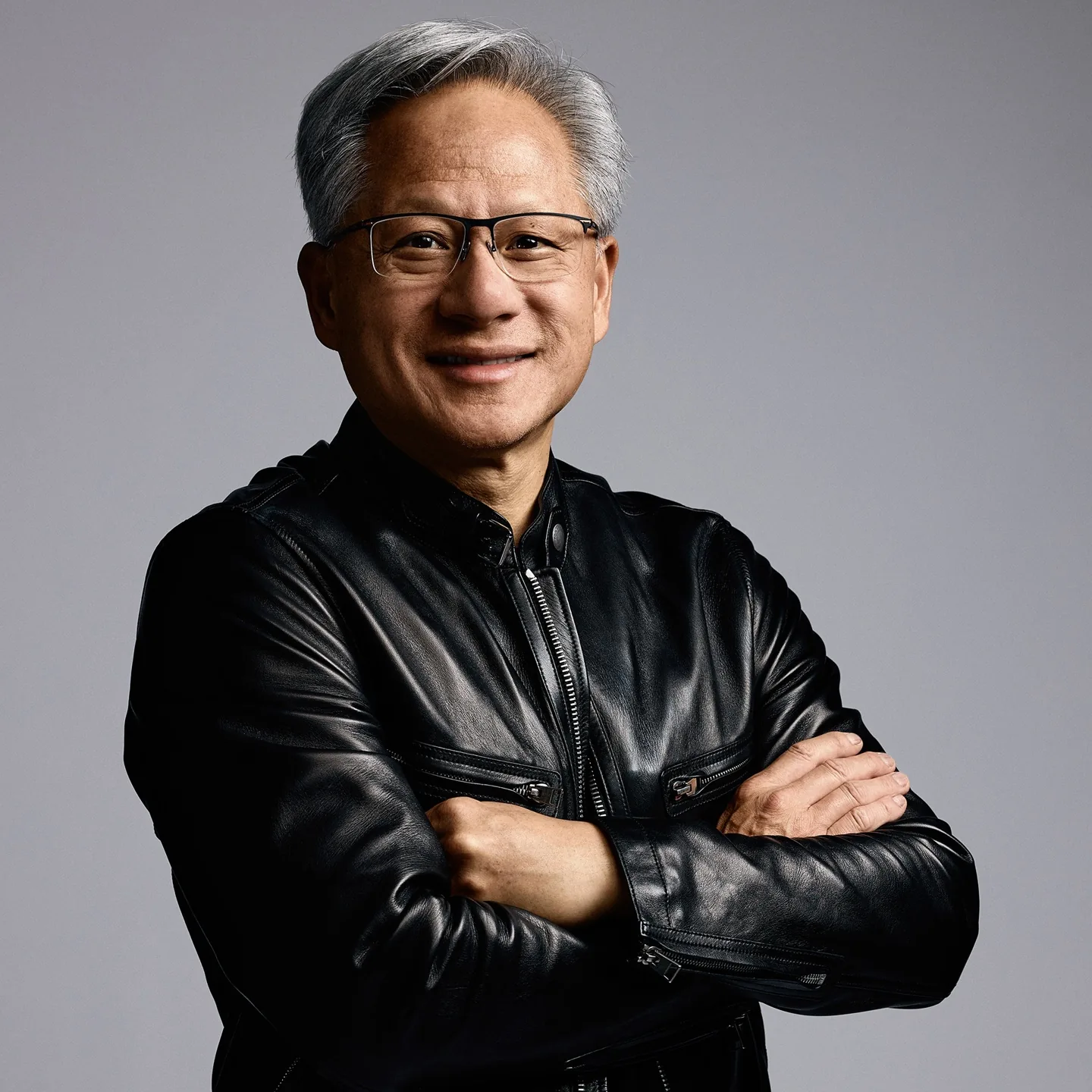
NVIDIA Founder and CEO Jensen Huang has publicly endorsed California’s upcoming wealth tax initiative, set for voter review in November 2026. The proposed measure would impose a one-time 5% tax on the net worth of California residents exceeding $1 billion.
- Vote date: November 2026 California general election
- Tax threshold: Net worth ≥ $1 billion (approximately 6.7 billion RMB)
- Tax rate: One-time 5% wealth tax
- Huang’s commitment: Willing to pay up to $8 billion annually over five years
Proposal Context and Huang’s Unusual Stance
California’s “millionaire tax”—officially targeted at ultra-high-net-worth individuals—faces opposition from several prominent billionaires. Huang’s opposition-defying support is notably atypical in today’s political climate.
Pursuant to the Bloomberg Billionaires Index, Huang’s net worth stands at $182 billion (approximately 1.22 trillion RMB), placing him 8th globally. Based on this valuation, a 5% levy would theoretically yield $9.1 billion; Huang, however, referenced a five-year $8 billion commitment in his remarks, suggesting a deliberate pacing arrangement.
The most counterintuitive element lies in Huang’s language: while other billionaires criticize the proposal, he stated that “nothing makes me happier than paying more taxes”, framing the payment as both an honor and a civic duty. He further clarified: “I’m not afraid of paying taxes; I’m afraid of poverty.”
Huang’s Personal Narrative and Philosophy
Huang定位 himself as the quintessential American Dream story. He recalled working as a dishwasher at Denny’s restaurant upon arriving in the U.S., where he first conceived the idea that would eventually become NVIDIA.
“I never imagined I would stand at the forefront of the AI industry,” Huang said, attributing the trajectory of his career to America’s educational and economic infrastructure. His advocacy for social mobility—stemming from lived experience—underpins his belief that successful individuals owe a debt to the system that enabled their rise.
This worldview aligns with Huang’s longstanding civic engagements, including significant contributions to STEM education initiatives and university research partnerships worldwide. Though he did not directly link his tax stance to NVIDIA’s AI business, the consistency in his public values offers insight into his leadership philosophy.
Stakeholder Landscape and Industry Ramifications
Beyond Huang, few tech CEOs have voiced support for California’s wealth tax proposal. Opponents include Oracle co-founder Larry Ellison, who argues such measures risk capital flight and economic stagnation.
Projecting fiscal impact, proponents estimate the tax could generate $1–2 billion annually for public services. Critics counter that valuation challenges, asset liquidation requirements, and potential tax arbitrage would significantly reduce net revenue.
From a regulatory perspective, the proposal intersects with broader global debates on wealth taxation, coinciding with similar initiatives in France, Norway, and temporary proposals in U.S. federal budgets.
Practical Guidance
- Ideal for engagement: California residents with net worth ≥$1 billion should monitor the November election outcome; early tax planning and charitable remainder trusts may optimize compliance outcomes
- Consider waiting: Those preferring观望 (watch-and-wait) may delay major restructuring until California Franchise Tax Board releases implementation guidance following the election
Final Thoughts
Huang’s defense of wealth taxation diverges from prevailing billionaire sentiment, instead reflecting a generational perspective forged through direct experience of upward mobility. His stance—framing taxation not as burden but as reciprocity—underscores a surprisingly humanistic approach to fortune that deserves scrutiny as other jurisdictions draft similar proposals.