
Core Event: Jensen Huang Argues AI ‘Must Hurt First’ to Save Climate
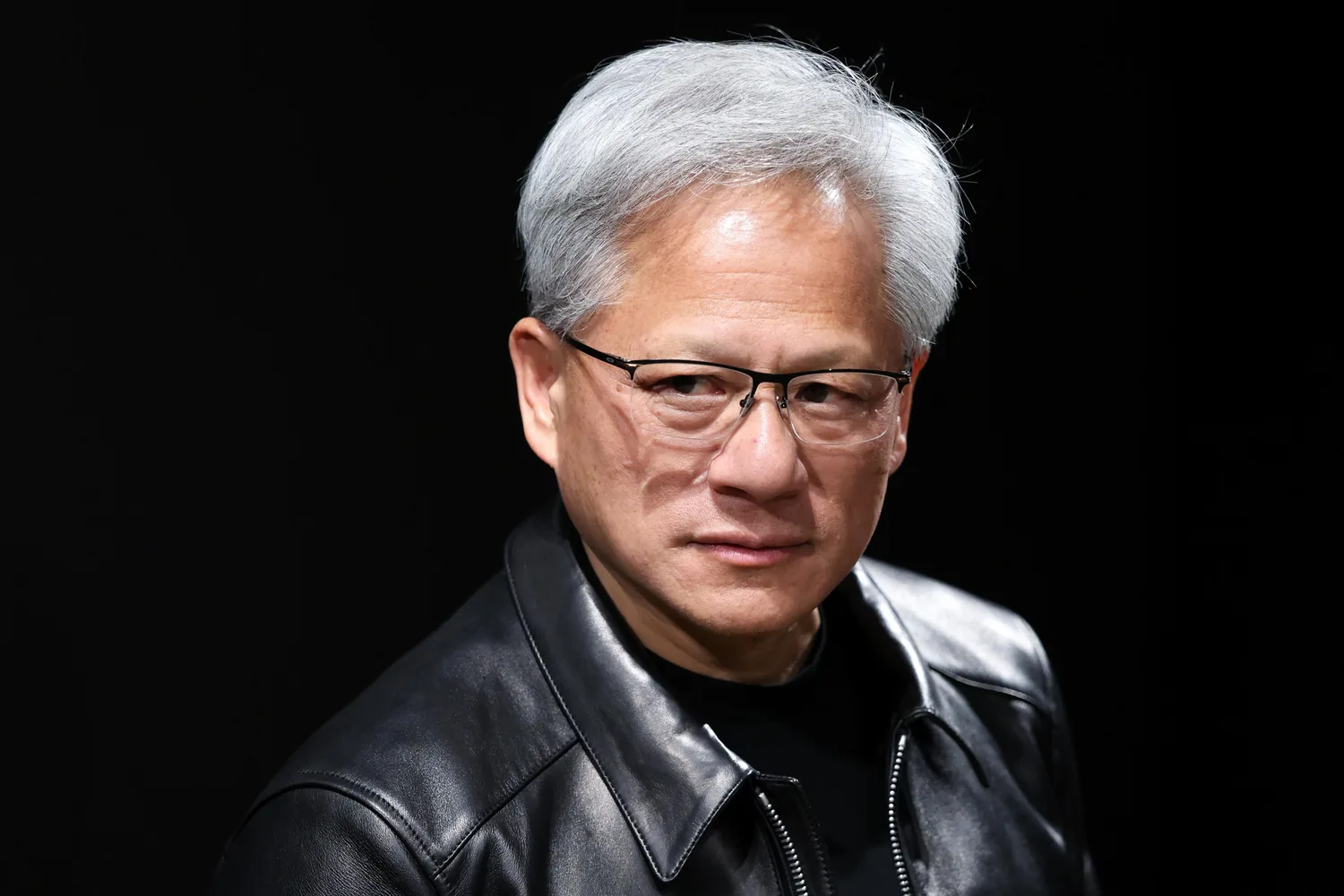
In the latest episode of The Ezra Klein Show, released in September 2024, NVIDIA founder and CEO Jensen Huang articulated a controversial perspective about AI and climate change, igniting broad discussion across tech and environmental sectors. The interview is not a product launch, but rather Strategic commentary from the leader of the world’s most valuable AI hardware provider.
Key takeaways:
- Interview aired: September 2024 (The Ezra Klein Show, latest episode)
- Central thesis: AI will ultimately help address climate change but only after enduring “an enormous amount of pain and suffering” in the short term
- Context: Global data center energy demand surges amid lagging clean energy infrastructure expansion
- Company relevance: NVIDIA’s GPUs drive AI算力 demand, tying its growth directly to rising electricity consumption
The “Surgery” Analogy and Its Contradictions
Huang employed a surgical metaphor: “In order to save you, they’ve got to hurt you first — that’s the nature of surgery. They’ve got to cut you open to save you. They’ve got to inflict an enormous amount of pain and suffering on you so that they can save you.”
The comparison to Marvel’s Thanos — sacrificing half of humanity to “save” the universe — was widely drawn by media. A key reality-check presents a stark contrast:
- Huang stated the U.S. has not built enough fossil fuel plants to meet projected AI demand
- Yet independent research (UC Riverside, Caltech, Rochester Institute of Technology) projects up to 1,300 premature deaths and over $20 billion in public health costs by 2028 from AI-related air pollution
Huang acknowledged that over the next several years, fossil fuels remain unavoidable: “We just don’t have enough sustainable energy to make a difference.” But this conflicts directly with the Paris Agreement’s binding goals: cut emissions in half by 2030 and reach net zero around 2050 — targets contingent on rapid renewable and nuclear deployment.
Local Conflict and Land Ownership Tensions

The debate extends into geography-specific tensions. Huang’s personal ties to Maui became focal point: he purchased a $7.5 million home there in 2004; in 2023’s devastating wildfire that destroyed Lahaina, NVIDIA confirmed the Huangs “have owned the same home in Maui for many years” and stated they “donated significantly to local relief efforts.”
Yet local officials voiced sharp criticism: “Billionaires coming to Maui, buying up large swaths of land as their, I don’t know, seventh vacation home, it’s painful for our community,” said Maui County Councilmember Keani Rawlins-Fernandez. The disparity between Indigenous stewardship and luxury capital becomes emblematic.
The data? Since 2001, peak daily wildfire growth rates have more than doubled in the western U.S.; 99% of coral reefs are projected lost; 770 million people (1 in 10 globally) face acute sea-level rise risk — impacts increasingly visible near elite enclaves.
Data Centers Don’t Have to Be Polluting
Crucial context often missed: A more polluting AI buildout is not inevitable. Marc Boom of the Environmental Protection Network stressed: “It depends on the choices government makes now.”
Relevant facts establish alternative pathways:
- Renewable energy was already the fastest-growing new electricity source before generative AI’s recent boom
- Onshore wind and utility-scale solar now generate power cheaper than new coal or gas plants in most markets
- Trump-era policies incentivize fossil fuel plants for data centers, creating feedback loop: data centers → demand for more fossil基建
NVIDIA’s role is indirect but significant: its chips enable training/inference workloads driving compute demand. Huang also misattributed record renewable purchases solely to AI — ignoring that renewables were outpacing fossil new capacity well before LLMs emerged.
Reader Guidance
- If you cover energy policy or climate tech: Huang’s rhetoric exemplifies a common “solutionist” bias that externalizes costs onto vulnerable communities; scrutinize his claims against grid decarbonization timelines
- If you manage data center siting or ESG strategy: Community opposition is growing fast; proactive engagement before construction begins is now table stakes
- Average readers can support cloud providers publishing verifiable 24/7 carbon-free energy commitments; simple behavioral shifts (limiting idle video searches, using energy-efficient devices) collectively reduce system load
In Conclusion
Huang’s framing reveals a persistent elite blind spot: treating societal suffering as acceptable collateral damage. Whether AI becomes a climate solution hinges not on algorithmic进步 but on whether grid decarbonization can keep pace with compute growth — a political challenge, not a technical inevitability.