
Key Findings and Timeline
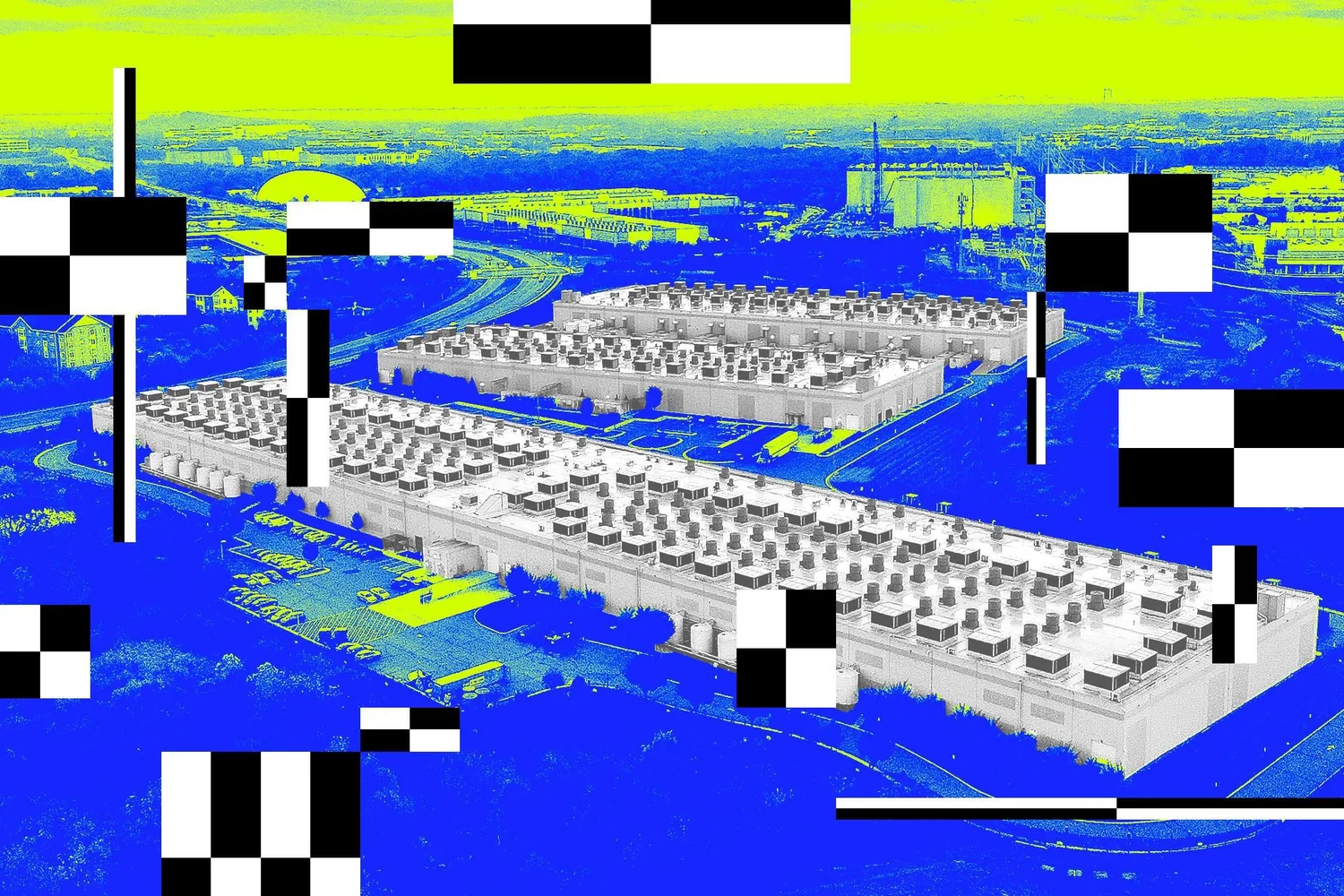
On September 10, 2026—the New York Times and Siena University released poll data conducted ahead of recent AI safety slowdown discussions. The survey of 1,503 likely voters reveals significant public resistance to AI infrastructure expansion, despite accelerating corporate deployment plans.
- Opposition rate: 61% of respondents oppose data center construction for AI
- Support rate: Only 14% express clear support
- ** partisan breakdown**: Among 2024 Trump voters, support narrowly leads opposition (49% vs 45%); among Harris voters, 74% oppose; among non-voters, 67% oppose
- Policy preference: Among opposition voters, 56% favor regulatory limits while 38% prefer a complete ban
- Issue salience: AI/data centers rank near the bottom on voter priority lists—under 1% across demographics except 18-29 age group at 3%
Primary Concerns and Political Dynamics
The survey’s cause-of-opposition breakdown reveals three dominant themes:
- Environmental and water usage impact: 32%—data centers consume massive water volumes for cooling
- Local community impact: 21%—including electricity cost pressures and infrastructure strain
- General distrust of AI technology: 18%—reflecting broader ethical and safety concerns
Followed by regulatory concerns (10%) and economic issues (9%). The striking pattern is bipartisan division: even among 2024 Trump supporters, support and opposition are nearly even (49% vs 45%)—indicating the issue transcends classic partisan lines.
Most of the 14% support respondents did not specify reasoning; of opposition voters, over three-fifths (56%) prefer regulation rather than prohibition, suggesting nuanced attitudes rather than outright rejection.
Consecutive Polls Confirm Trend

This finding aligns with prior surveys):
- March 2026 NBC News poll: AI support ratings fell below ICE (U.S. Immigration and Customs Enforcement), a consistently controversial agency
- May 2026 Gallup poll: 70% of Americans opposed local AI data center construction
Three independent polls confirm consistent, deep public skepticism toward AI infrastructure expansion—particularly when local residents perceive little direct benefit from such facilities.
Policy Trust and Voting Intentions
Despite low issue salience, trust in party handling reveals division among 554 secondary respondents:
| Party Trusted | Percentage |
|---|---|
| Democrats | 40% |
| Republicans | 42% |
| Unsure/Refused | 18% |
Key irony: Most partisans trust their own party to manage the issue well, potentially fueling partisan polarization. Yet because the topic ranks low in priority (except among young voters), it currently exerts limited pressure on midterm campaigns—though it may become a local flashpoint in communities proposing data center sites.
Practical Recommendations
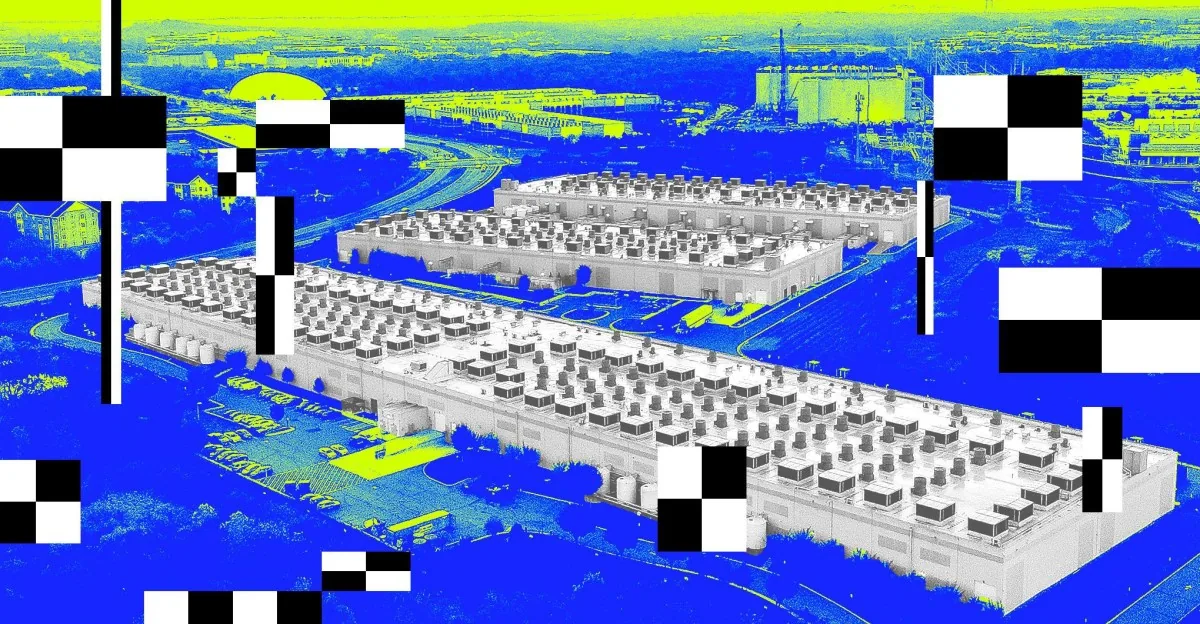
- Tech developers and investors: Avoid high-opposition states (e.g., New York, California) as initial build locations in 2026-2027; prioritize brownfield sites or areas with existing approved data center zones to mitigate local resistance
- Local government planners: Front/load water audits and community compensation plans—these address the top two opposition drivers (totaling 53%) and may reduce local pushback
- Residents near proposals: With 38% favoring outright bans, grassroots opposition has solidified numerical strength warranting organized advocacy, whether through municipal hearings or formal complaints
In Closing
Three consecutive polls confirm the same pattern: Technical infrastructure expansion that lacks clear local benefits—and imposes visible costs—faces predictable public resistance. This implies future AI deployment strategies must shift from technical feasibility to comprehensive community impact assessment before siting decisions proceed.