Muse’s Native iPad Version Is Officially Live
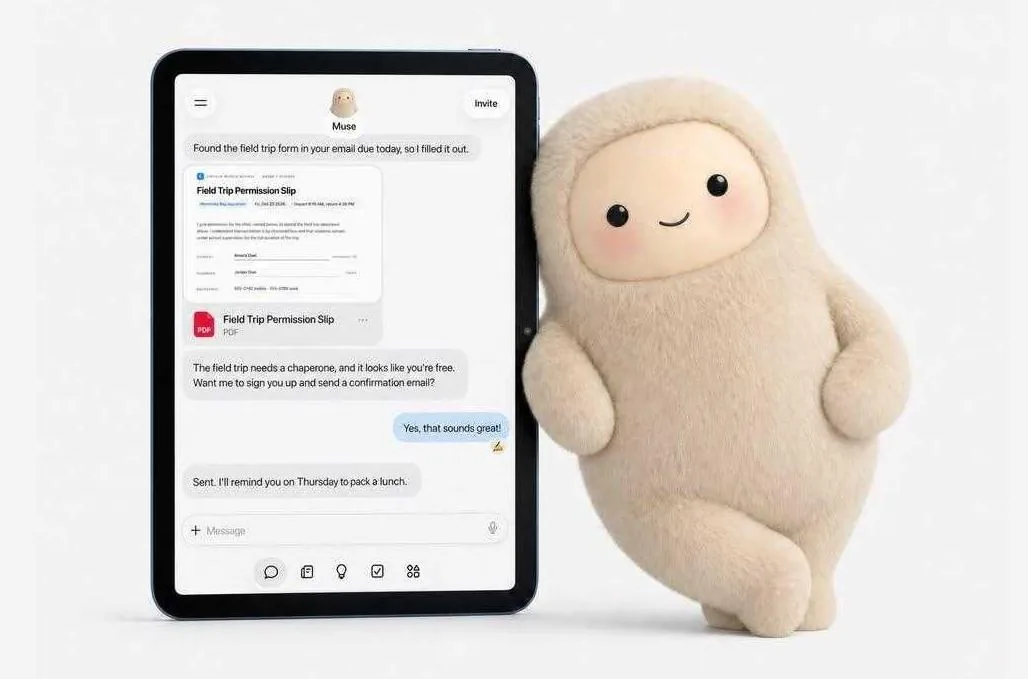
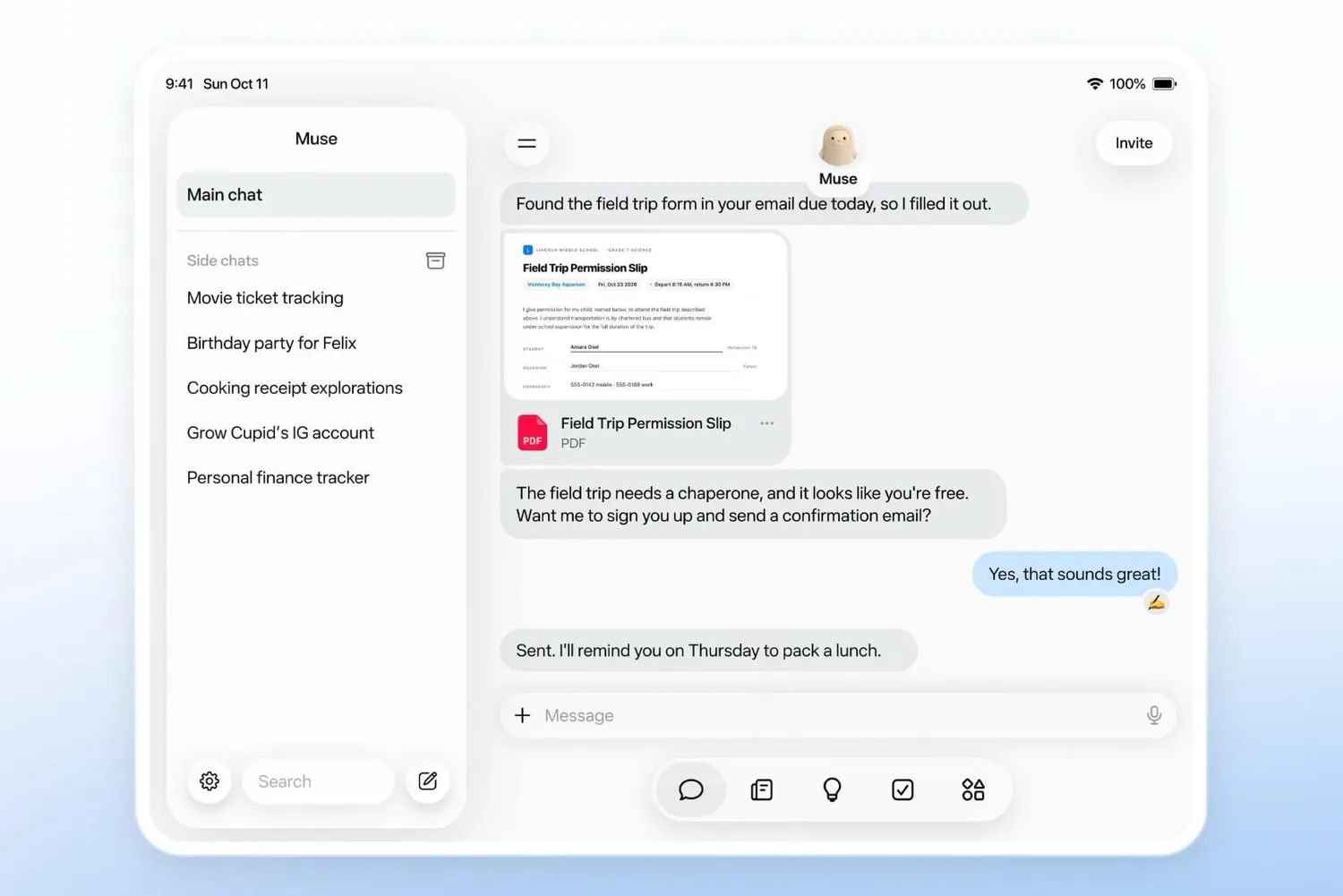
Meta has rolled out an update bringing native iPad support to the Muse AI assistant, marking the AI agent’s official arrival on the iPad’s large-screen ecosystem. Muse first launched roughly a month ago and spent several consecutive weeks at the top of Apple’s App Store free apps chart. Rather than shipping a standalone iPad app, Meta delivered iPad support directly through the latest update to the existing Muse iOS app—with nothing more than a single line at the bottom of the release notes to announce it.
Key Facts:
- Release timing: iPad support is built directly into the latest update to the Muse iOS app
- Platforms: iPadOS devices, natively optimized
- Feature parity: Functionally identical to the iPhone version, with only the interface layout adjusted for the larger screen
- Mac version: Released about a week after the mobile version, intended for desktop tasks such as file organization
Feature Expansion: From Collaboration Tool to Business Goals

Beyond introducing iPad support, the update also strengthens Muse’s collaboration capabilities. Users can now connect Muse to tools like Canva, Dropbox, Figma, QuickBooks, GitHub, Zoom, Asana, and Klaviyo, with new connectors including Granola and Notion. These additions are aimed at boosting Muse’s practical value as a work agent.
A surprising find: It took Meta 15 years to ship a dedicated iPad app for Instagram, yet Muse—a brand-new AI product—achieved native iPad support in under a month. That contrast in speed underscores a shift in Meta’s priorities, with resources now concentrated on rapidly iterating its AI assistant.
Muse’s new business goals feature lets small business owners set specific objectives—planning a marketing campaign, preparing a client proposal, or building a new product page—and the AI autonomously maps out the execution path. It’s a sign that Muse is evolving from a general-purpose assistant into a specialized agent for vertical domains.
Muse’s Ecosystem Expansion Is Accelerating
Beyond mobile and desktop, Meta is building out the Muse ecosystem across multiple device categories. The company has announced it is developing Muse Charm, a standalone Tamagotchi-style device that runs the Muse AI agent without needing a smartphone. Meta is also moving forward with a Muse smart glasses project, further expanding the scenarios in which the AI assistant can be used.
Product Recommendations
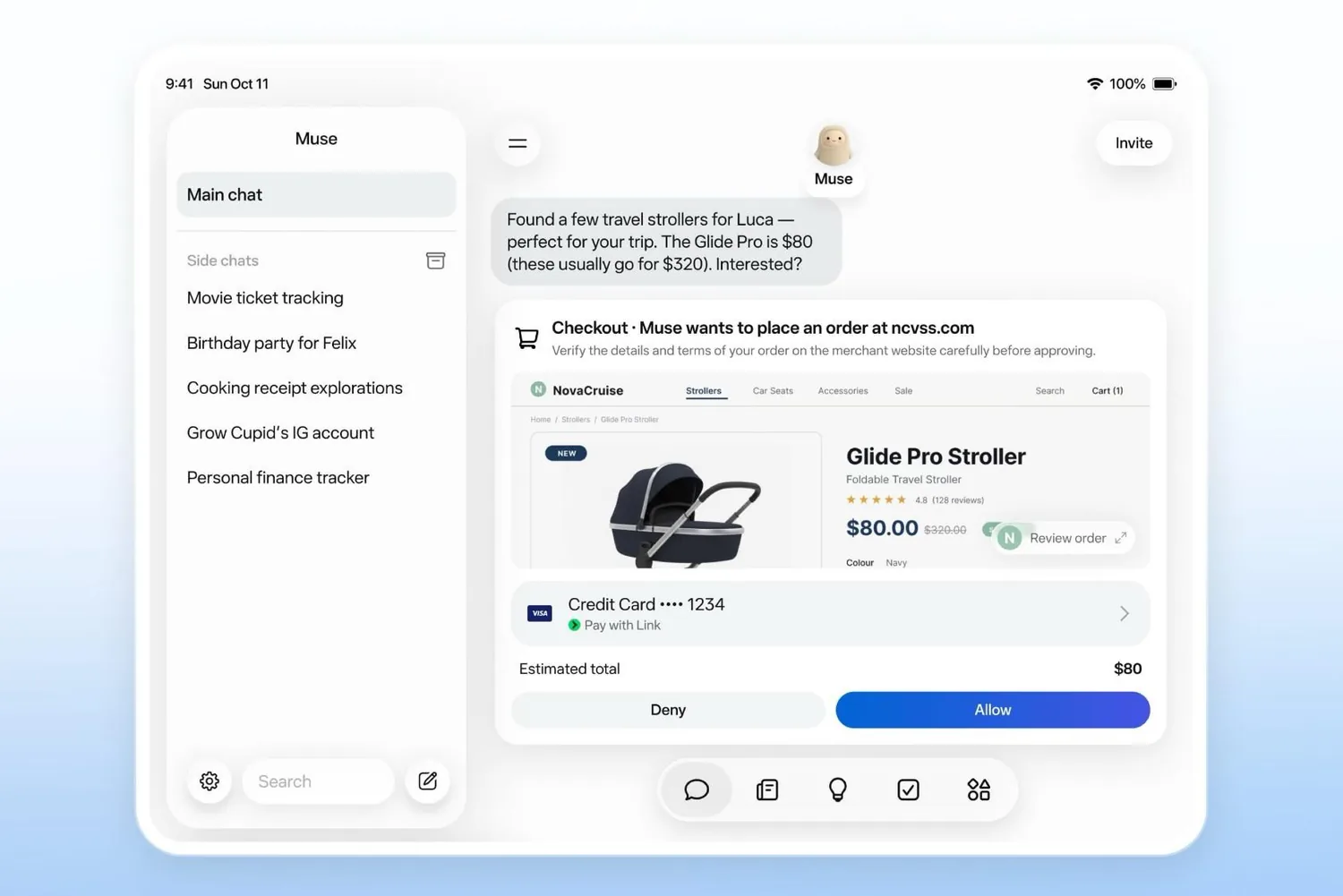
For current users: If you already use Muse on an iPhone or Mac and own an iPad, you can upgrade right away—the larger display is better suited to reviewing complex agent activity logs and multitasking. Small teams that rely on design and collaboration tools like Figma and Notion can get their workflow integrations up and running faster.
For those who should wait: If you primarily depend on a Mac for coding tasks (such as the GitHub connection), you may want to hold off until stability test results for the Mac version come in—the current release notes offer no functional details for specific connectors. And anyone interested in exploring the Muse Charm or smart glasses hardware will simply have to wait for Meta’s official launches.
Final Thoughts
Muse made it to the iPad far faster than any of Meta’s previous products, a sign that AI agents have entered a critical stage of platform ecosystem integration. As the tech giants abandon the traditional “phone first, tablet later” playbook, cross-device coordination is emerging as the new competitive battleground for AI tools.