
Microsoft Launches “Biomimicry” Ecosystem Restoration Initiative, Reframing Data Center Environmental Strategy
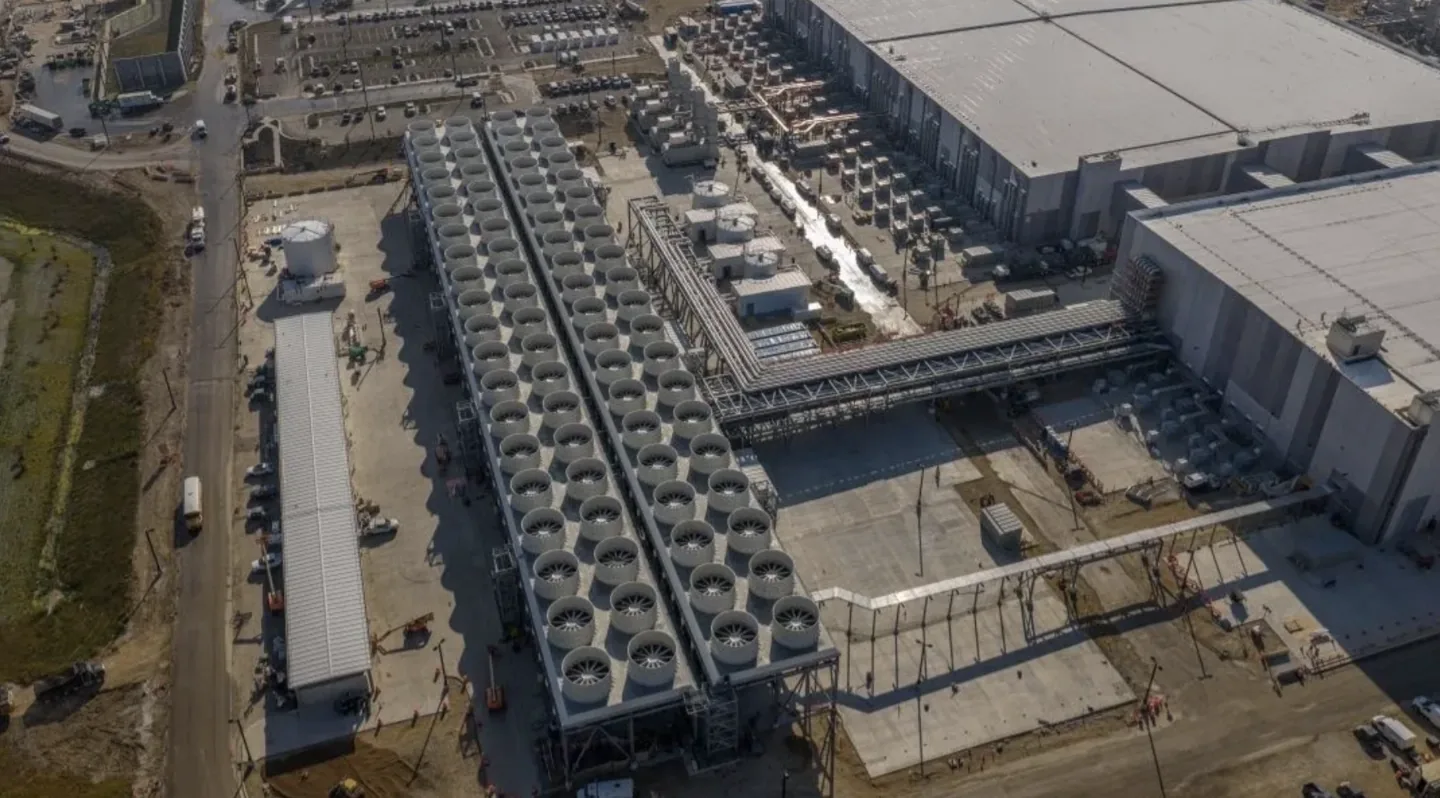
Microsoft has recently begun advancing an ecosystem restoration initiative called “Biomimicry,” with the core goal of helping data centers better integrate into their local natural environments. The initiative is not about rolling out new technology or hardware upgrades; rather, it represents a fundamental shift in construction philosophy—from a sole focus on engineering efficiency to actively restoring ecosystems. Key facts:
- Scope of implementation: Covers more than 20 existing Microsoft data centers, where wetland ecosystems will be restored and native plants planted over time.
- Future plans: All new data center projects in the United States will be required to adopt this approach.
- Execution mechanism: Includes three components: collecting community feedback, conducting ecological research and assessment, and quantitative monitoring with tools.
- Technical support: Deployment of a dedicated assessment tool called “Ecosystem Intelligence.”
The initiative signals that Microsoft is making environmental responsibility a core part of infrastructure development, rather than an after-the-fact remedy.
Concrete Pathways and Technical Support for Ecological Restoration
Microsoft’s effort is not an empty promise; it has a clear execution path. The land surrounding each data center will undergo systematic re-planning: first, existing hardscape or non-native vegetation cover will be removed; then original wetland forms will be restored and native plant communities reintroduced. This design logic stems from biomimicry—by mimicking how natural ecosystems operate, it reduces the environmental impact of human facilities.
Key execution details include:
- Conducting ecological baseline surveys before construction to understand the site’s environmental baseline through professional research.
- Community engagement mechanism: proactively gathering opinions and concerns from local residents and stakeholders.
- Using the “Ecosystem Intelligence” tool for multidimensional quantitative assessment, covering core ecological indicators such as water quality, biodiversity, and noise control.
One notable contrast is that even as Microsoft actively demonstrates its environmental commitment, it still faces sustained pressure from communities and environmental organizations as AI data centers continue to expand. This reveals a real tension—between data centers’ growing energy and land needs and the public’s rising expectations for environmental protection.
The Deeper Logic and Industry Implications of the Biomimicry Initiative
To clarify, “biomimicry” in this context does not refer to robotics; it is a systematic science that studies nature’s solutions to human design challenges. Wetland restoration and native planting are typical applications: native plants need no additional irrigation and are highly resistant to pests and disease, which can effectively reduce maintenance costs; restoring wetlands can enhance regional water retention and wildlife habitat functions.
What sets the initiative apart is its closed-loop management thinking: assess → build → monitor → feed back, forming a sustainability management chain that continually improves. Microsoft admits that the real challenge is how to accurately calculate, track, and publicly demonstrate the actual benefits of ecological restoration—this involves building a verifiable data disclosure mechanism, not merely making qualitative claims.
Although the article does not disclose specific restoration areas or budget figures, it clearly reflects the demonstration value of a leading industry player: infrastructure developers are moving from “compliance is enough” to “proactive value creation,” incorporating ecological capital into asset management systems.
Practical Recommendations for Stakeholders
- For investors and ESG analysts: Pay attention to the data Microsoft later discloses from its Ecosystem Intelligence tool, especially the completeness of quantified biodiversity index changes and water quality improvements. This will be key to assessing the projects’ real environmental benefits.
- For local governments and planning departments: Microsoft’s community engagement process is worth studying; consider making ecological restoration targets a precondition for data center approvals.
- For local community residents: Request pre- and post-restoration baseline comparison data from companies and participate in regular ecological feedback meetings to ensure commitments are honored.
At this stage, watch for Microsoft’s first data center project report to complete a full-cycle assessment; it will be the first sample for validating whether this model is viable.
Final Thoughts
Microsoft’s Biomimicry initiative reveals the direction of transformation for technology infrastructure: green is no longer an optional extra, but the price of entry. As demand for AI compute continues to rise, the industry will depend even more on verifiable ecological compensation mechanisms to balance the dual demands of development and conservation.