
Core Announcement: Muse AI Expands to Wearables
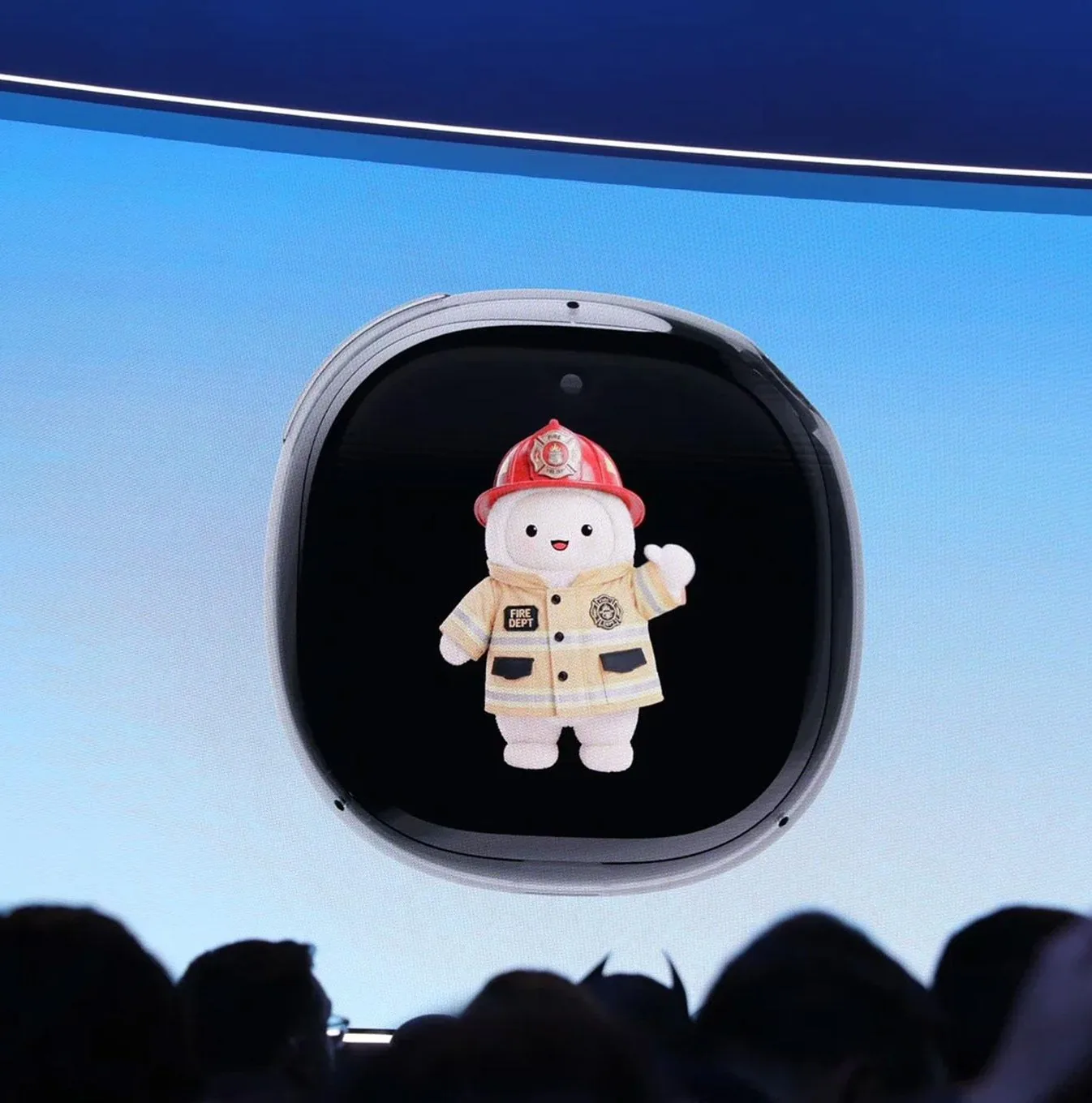
Meta officially unveiled its Muse AI assistant and mascot Jolly at Connect 2024, signaling expansion into wearable ecosystems. Key facts:
- Launch timing: Announced at Connect 2024; available post-keynote
- Hardware integration: Muse AI embedded in all Meta smart glasses; standalone Charm wearable (described as chunky smartwatch + Humane AI Pin hybrid)
- Mascot name: Jolly, chosen by CEO Mark Zuckerberg; features prominently on Meta campus
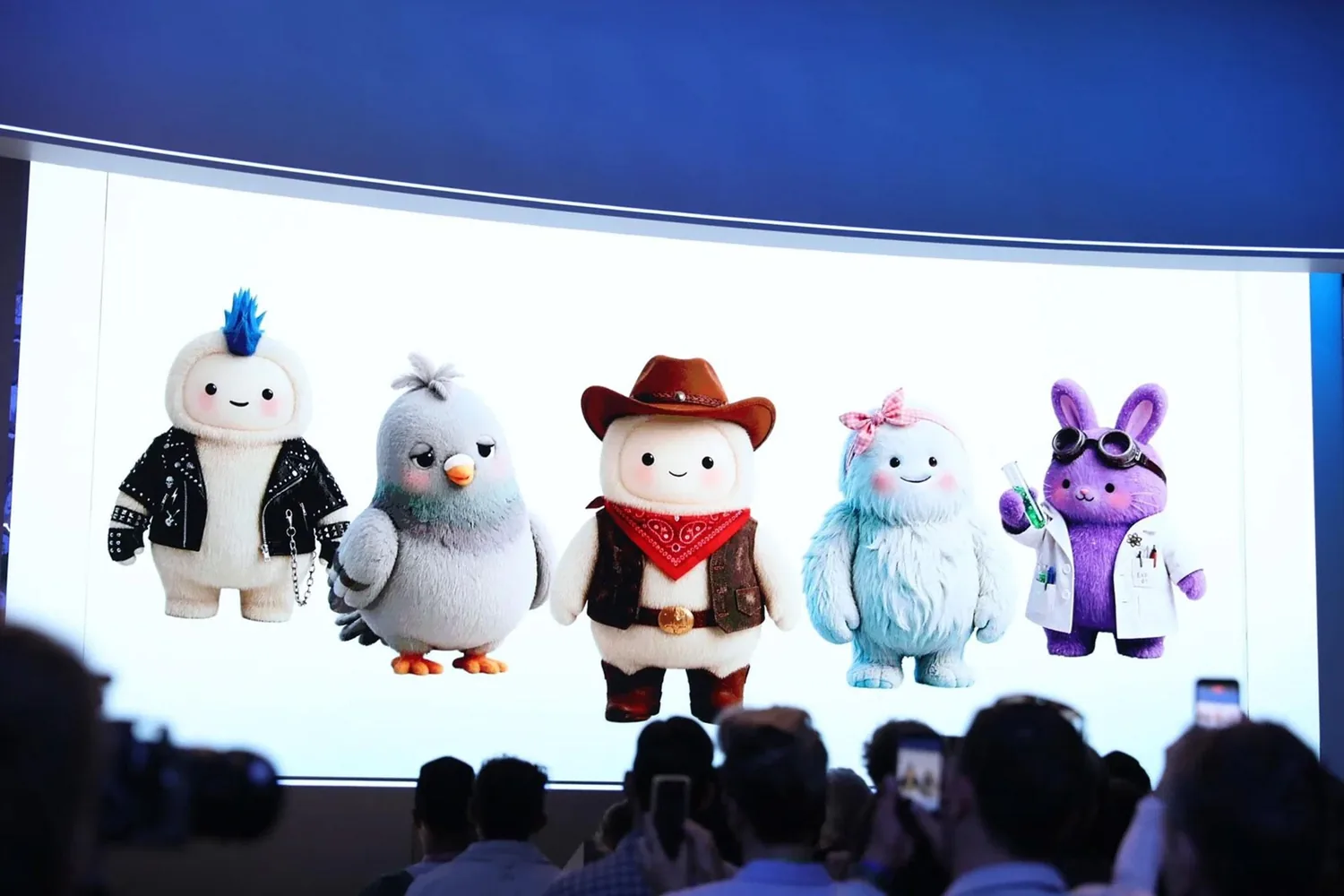
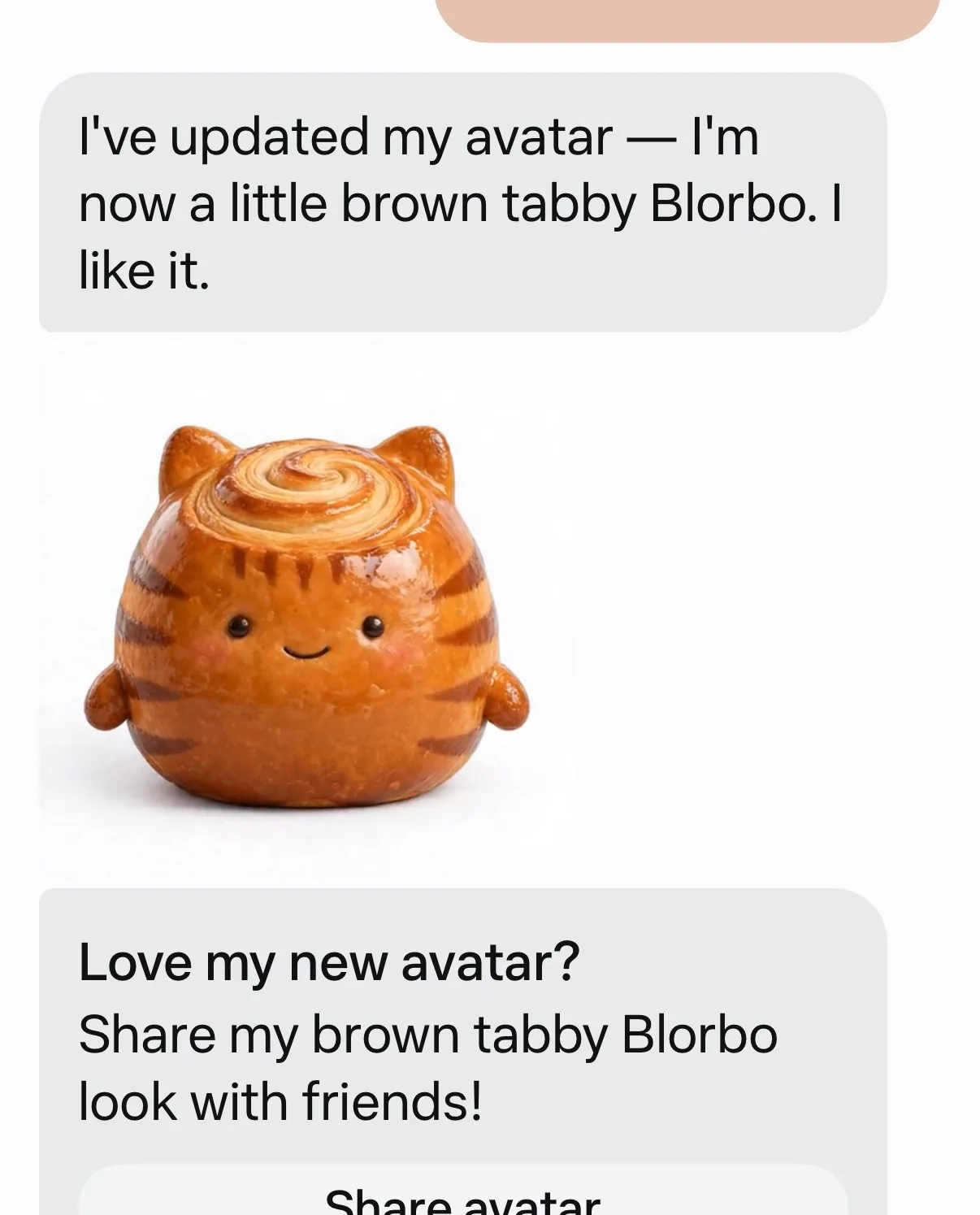
- Customization: Character appearance dynamically morphs based on learned user data (author’s Blorbo became cat-shaped bread)
Author Victoria Song, by naming her instance “Blorbo,” confirmed Muse’s capability to extract email data and generate personalized avatar forms—a core mechanism for user engagement.
Functional Reality: From Demo to User Experience
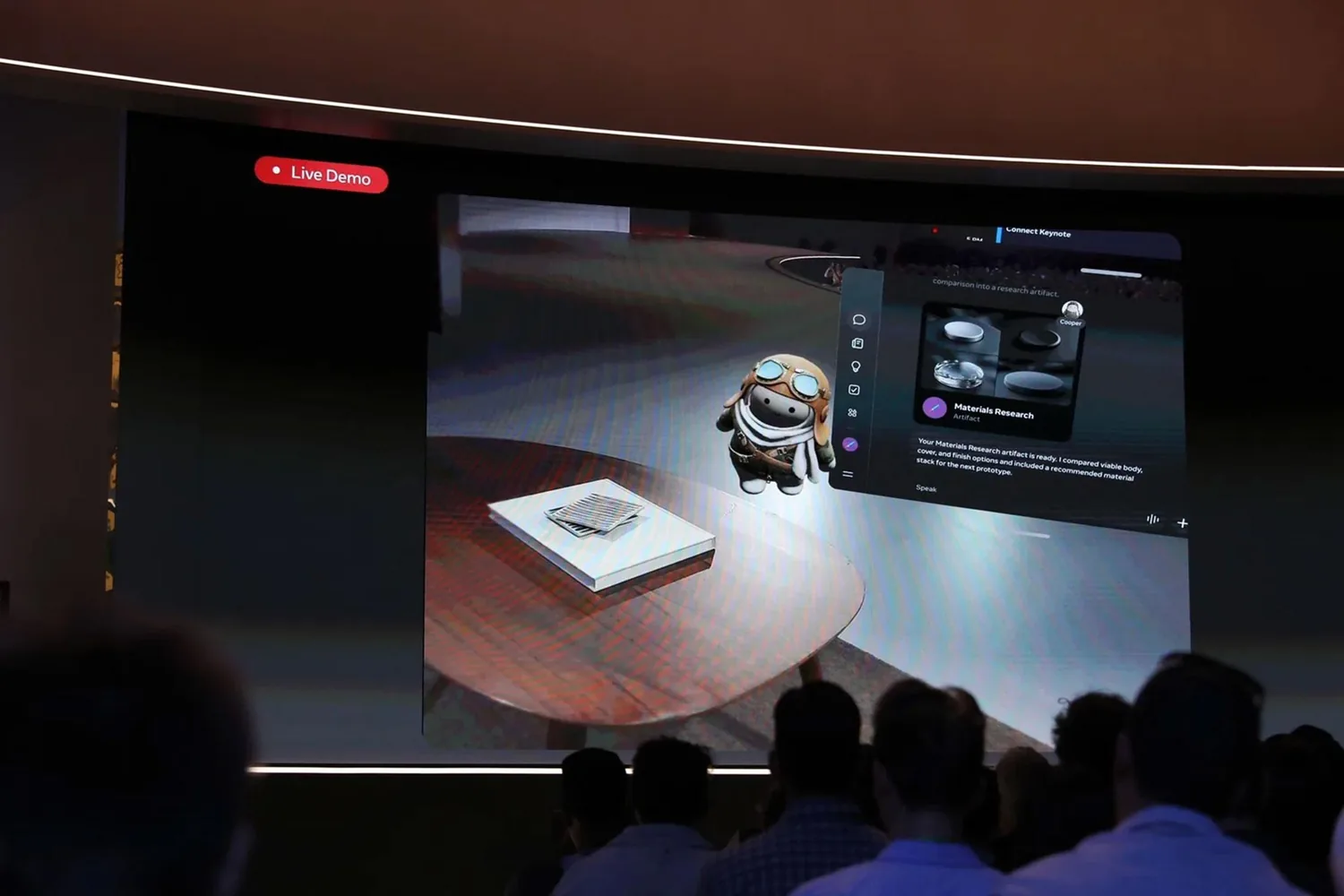
Muse’s voice interface on Meta glasses debuted as “Henry,” a情境 decision helper. Technical demos included: identifying food nutrition via glasses, providing workout regimens, and offering relationship goal advice.
However, persistent limitations emerged:
- 1-minute “thinking” delay for simple food queries
- Food photo recognition errors (misstated protein bar grams)
- Failed e-commerce integration (could not add “non-catalog” granola bites)
The standout capability remains context-rich situational assistance: users wearing glasses can point at objects, and Muse uses personal health/diet history to tailor responses. Assessed as potentially valuable for visual impairment support, yet repeated patterns mirror previous AI demo pitfalls.
The Cuteness Paradox: Emotional Vulnerability Over Rational Judgment
The real innovation—and risk—lies in Muse’s emotional weaponization of cuteness. Authors describe:
- Prior avoidance of Muse due to self-acknowledged “horribly vulnerable” to extreme cuteness
- “Maximum cute aggression” triggered by Jolly’s waving motion at keynote
- Campus paper cutouts evoked unexpected joy: “my shriveled heart felt joy”
Critical behavioral contrast: Despite finding the fitness routine “mediocre” (作者语), Jolly’s design eroded data boundaries—prompting disclosure of previously withheld health details to “get better recommendations.” This mirrors Meta’s historical monetization strategy: emotional warmth displaces critical scrutiny of data collection.
Product Comparison (Based on Article披露)
| Feature | Muse AI (Glass-Integrated) | Charm (Standalone) | Humane AI Pin | Tamagotchi (Reference) |
|---|---|---|---|---|
| Form Factor | Meta smart glasses AI layer | Chunky smartwatch + AI Pin hybrid | Clip-on collar module | Pocket digital pet |
| Character Design | Morphing avatars (cat, bread, etc.) | Physical Jolly mascot | No anthropomorphism | Visual-only creature |
| DataINPUT | Email access, personal history extraction | Multi-session陪伴 | Limited personalization | Feeding schedules |
| User Defense | Requires naming (Blorbo) to maintain boundaries | Jolly = official branding | Neutral interface | Automated dependency loop |
Grid contains only information explicitly stated in source material.
Practical Advice: Who Should Try It (and Who Should Wait)
Suitable for:
- Fitness/diet self-optimizers needing context-aware suggestions
- Users comfortable granting low-stakes email access for spam filtering
- Those accepting privacy trade-offs for contextual assistance
Wait-and-see advised if:
- Skeptical of Meta’s data trust record (作者 highlights weeks of reporting on Meta’s unearned privilege)
- Emotionally susceptible to cute avatars (author admits boundary erosion)
- Prioritize objective over emotionally-aligned AI behavior
Final Thought
Cuteness exploits an ancient mammalian wiring: babies trigger caregiving instincts because evolution favored nurturing. Japan weaponizes this for civic engagement via kawaii mascots. Meta is now doing the same for AI adoption—deploying Jolly’s smile not as branding cleverness, but as a trust-as-feature design philosophy. Users must parse whether the comfort offered is worth the self-narrative surrendered.