
Muse AI Agent Marks First Major Feature Rollout

At its annual Connect event on September 23, 2026, Meta unveiled the first comprehensive upgrade to Muse AI Agent, launched just three weeks earlier. Key updates confirmed during the keynote:
- Digital Avatar: Personalized visual representation powered by Muse Realtime Avatar for real-time video conversations
- Smart Glasses Integration: Voice-activated Muse access via Meta smart glasses; functionality to guide workouts, log meals, book appointments and identify shopping items
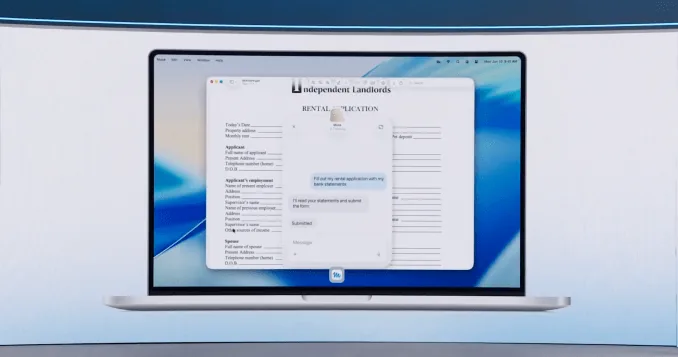
- Mac Desktop Support: Agent can orchestrate any desktop application and operate autonomously after task delegation
- Dedicated Email Address: Muse will receive its own email handle to receive, manage, and forward messages
- Platform Open for Connectors: Developer plug-in system opened with 1,500+ applications received within one week
Technical Architecture and Strategic Positioning
Muse is underpinned by Muse Spark, Meta’s multimodal AI model specifically designed for agentic workflows. The company positions it as more accessible than competing agents, enabling immediate task automation without complex setup.
CEO Mark Zuckerberg stated: “In the coming years, I expect that Muse is going to grow into the personal superintelligence that billions of people around the world are going to use to accomplish their goals and improve their lives.” Crucially, Muse will remain free for a large number of tokens during the initial phase, with monetization via small transaction fees. This contrasts sharply with competitors whose pricing often tracks token consumption directly.
The demo on stage showed users interacting with a lifelike avatar boasting a face, body and voice—an evolution of Meta’s earlier Metaverse ambitions but streamlined for daily use rather than immersive VR.
Ecosystem Integrations and Commercial Logic
Payment layer partnerships include Stripe, Shopify and PayPal, enabling purchases through Lync and Shop Pay across the internet. Retail partners confirmed: Best Buy, Gap, Sephora, Walmart and Wayfair, with future integrations for Expedia and Instacart.
Other connectors integrated: GitHub (code collaboration), Granola (content management), and Notion (knowledge management).
Developer Engagement and Platform Expansion

Chief AI Officer Alexandr Wang emphasized: “I think this could be a generational opportunity to start building for a new platform as it takes off.” Meta has opened its platform for third-party connector development with explicit support for small businesses.
The Mac version will enable background task execution after delegation—similar to OpenAI’s Oracle and Anthropic’s Claude Desktop—allowing multi-step workflows to complete without continuous user oversight.
Who Should Act Now

- Early adopters: Office workers managing high-volume email, calendar logistics and cross-app coordination; users with frequent text/image generation needs should explore Muse Spark’s multimodal strengths
- Wait-and-see group: Enterprises requiring enterprise-grade SLAs should await detailed enterprise version offerings; casual users may benefit more once Muse’s dedicated email unfolds its automation scope
Final Thoughts
Muse’s strategy prioritizes workflow embedding over raw model innovation. By focusing on payment, shopping and code integration as unified transaction hubs, Meta bets that consumer AI adoption hinges on removing friction—not just generating tokens. When peers optimize for model size, Meta is racing to own the orchestration layer, marking a possible inflection point in consumer AI narratives.