
Core Event Overview

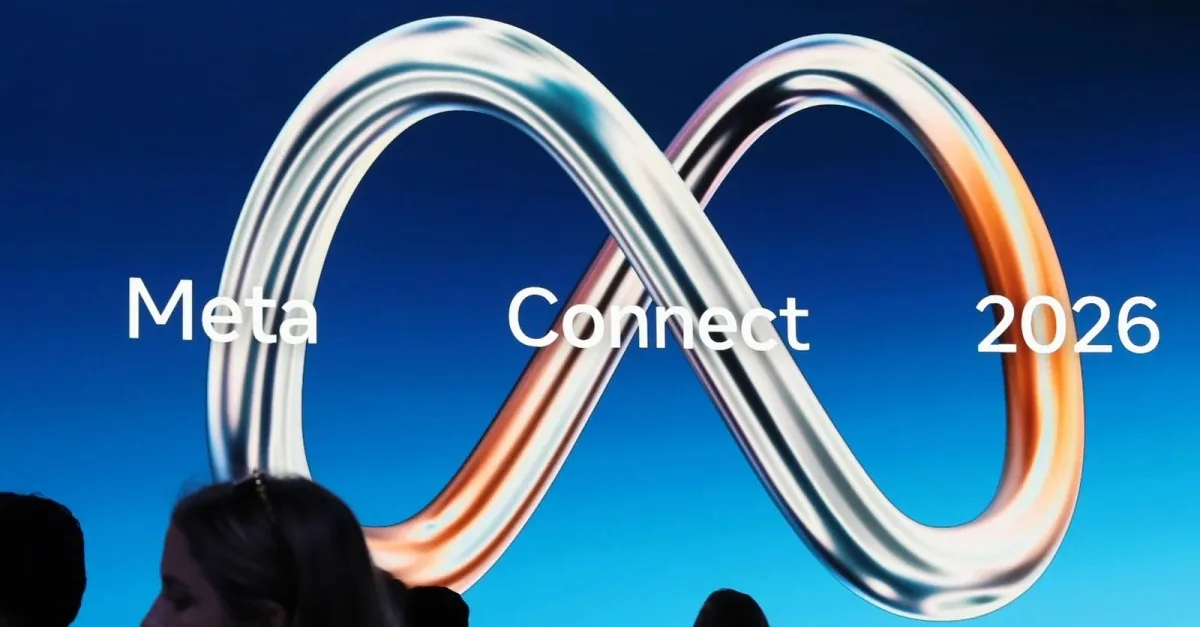
Meta Connect 2026 kicked off today in Menlo Park, with founder Mark Zuckerberg delivering the annual keynote centered on “Building a Future for Everyone.” According to official previews and The Verge’s on-the-ground coverage, this year’s event focuses on three core areas: AI agents, smart glasses hardware iteration, and associated privacy solutions.
Key hard facts:
- Launch timing: Speech commences as scheduled (7PM ET / 4PM PT)
- Core themes: Three topics detailed in Zuckerberg’s recent essay—AI, smart glasses, privacy
- Flagship products: Muse AI agent (recently launched by Meta), new smart glasses hardware (specific model names not disclosed)
- API access: No mention of opening Muse’s API to third-party developers
- Key question: Whether privacy controversy around smart glasses will receive substantive new responses
AI and Glasses: Dual-Track Strategy

Zuckerberg’s pre-event essay emphasized that Meta is advancing products through a “systemic future-building” lens rather than isolated feature updates. Muse AI, Meta’s recently launched ecosystem-integrated AI agent, prioritizes active contextual awareness over passive Q&A—the system anticipates needs before users speak, drawing on calendar events, environmental sensors, and behavioral patterns. However, Meta did not disclose whether Muse will support cross-platform integrations or detail its training data sources.
Smart glasses draw broader industry interest. Previous products sparked widespread privacy concerns due to built-in cameras, leading some users to deride them as “pervert glasses.” Meta responded with multiple crackdowns earlier in 2026: a mandatory software update disabled covert recording modes, introduced transparent frame variants to reduce visual menace, and launched a “Privacy First” marketing campaign to rebuild reputation. A notable counterintuitive metric: despite deteriorating public sentiment, Meta’s smart glasses shipments grew 18% year-over-year last quarter—indicating product demand hasn’t been fully suppressed by privacy backlash.
Privacy as the Make-or-Break Factor

Privacy concerns remain the chief bottleneck for smart glasses commercialization. Potential announcements from today’s stage may include:
- Stricter audio/camera activity audit logs (user-viewable)
- A companion app for real-time recording status, with LED indicators on temple arms during capture
- A third-party oversight committee for independent privacy audits, publishing quarterly transparency reports
These moves signal Meta’s ambition to elevate privacy from a “feature” to infrastructure. Yet observers caution that the real hurdle lies ahead: as glasses expand into AR navigation and live translation, data collection frequency could grow exponentially, overwhelming current mitigation strategies.
Reader Guidance: Two Audiences to Prioritize
- Early adopters: Users with light AI agent needs operating primarily within Meta’s ecosystem (WhatsApp, Messenger, Instagram); current glasses owners concerned about privacy should opt for Meta’s new “Privacy Enhanced” frame variant, which eliminates lens glare that previously enabled covert shooting.
- Wait-and-see: Users requiring cross-platform AI coordination—the viability of Muse hinges on opening its API; enterprise buyers—smart glasses in industrial settings remain in pilot phase, awaiting broader industry standards.
In Conclusion
Meta attempts to bind hardware, AI, and community governance together, but privacy controversies have shifted beyond technical considerations into the realm of societal trust. If Connect 2026 presents only software patches without re-examining hardware ethics principles, widespread consumer acceptance will remain out of reach. Only with genuine third-party involvement in standard-setting can Meta move past the current trust deficit.