
Meta Connect 2026 Key Announcements
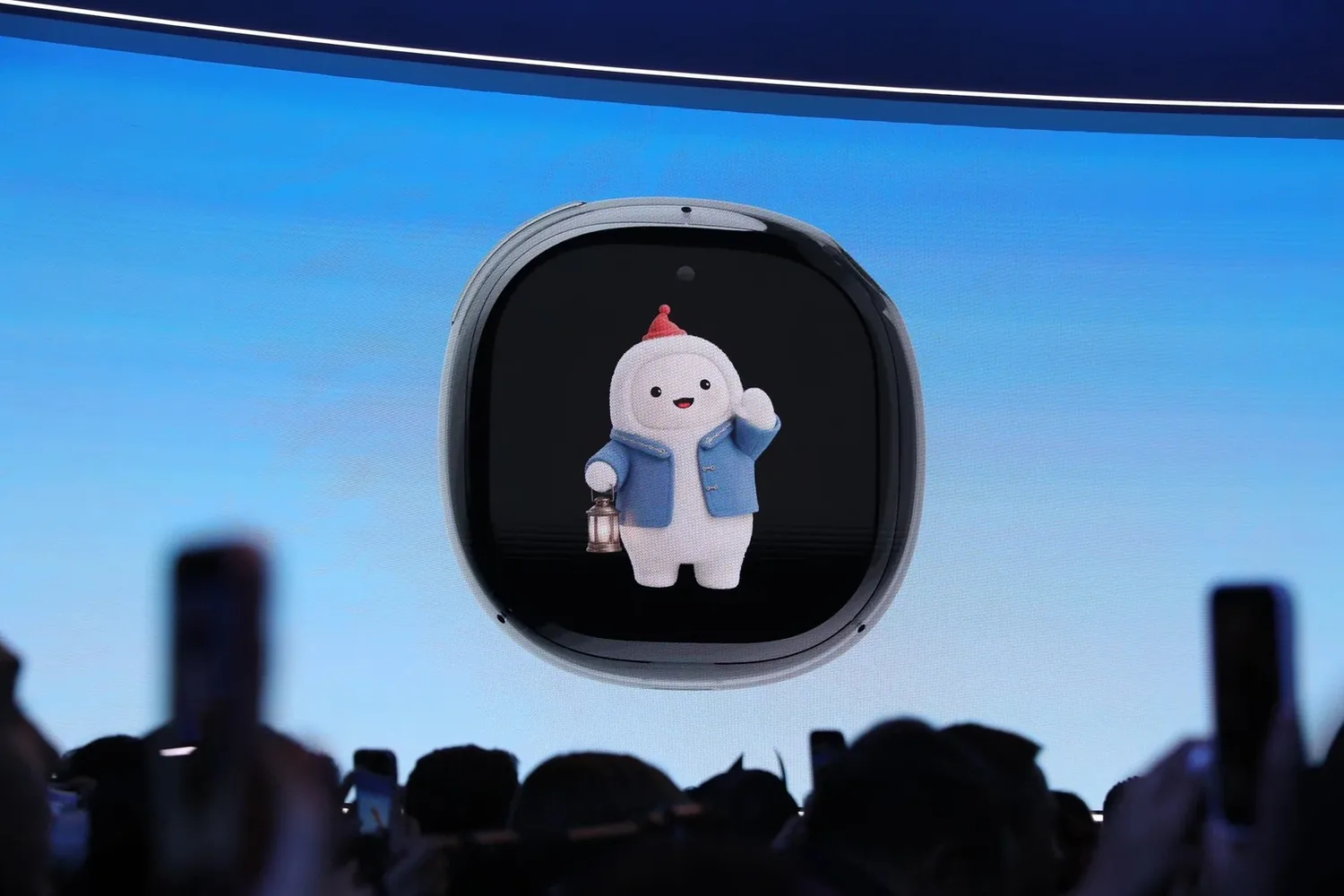
Meta held its annual Connect conference on September 23, 2026 (7PM ET / 4PM PT), where CEO Mark Zuckerberg unveiled multiple hardware-AI integration products.
Key hard facts:
- Muse Charm: Dedicated AI hardware with fingerprint sensor and mic array; activates Muse AI without unlocking phone or opening app; appearance shown, connection method to servers undisclosed
- Meta VR Glasses: New lightweight VR device weighing 100g (vs. Quest 3 at 515g), glasses-style form factor with ear-suspended design and pocket-sized computing puck; launches spring 2027 in the US; movie rentals/buying coming later this year
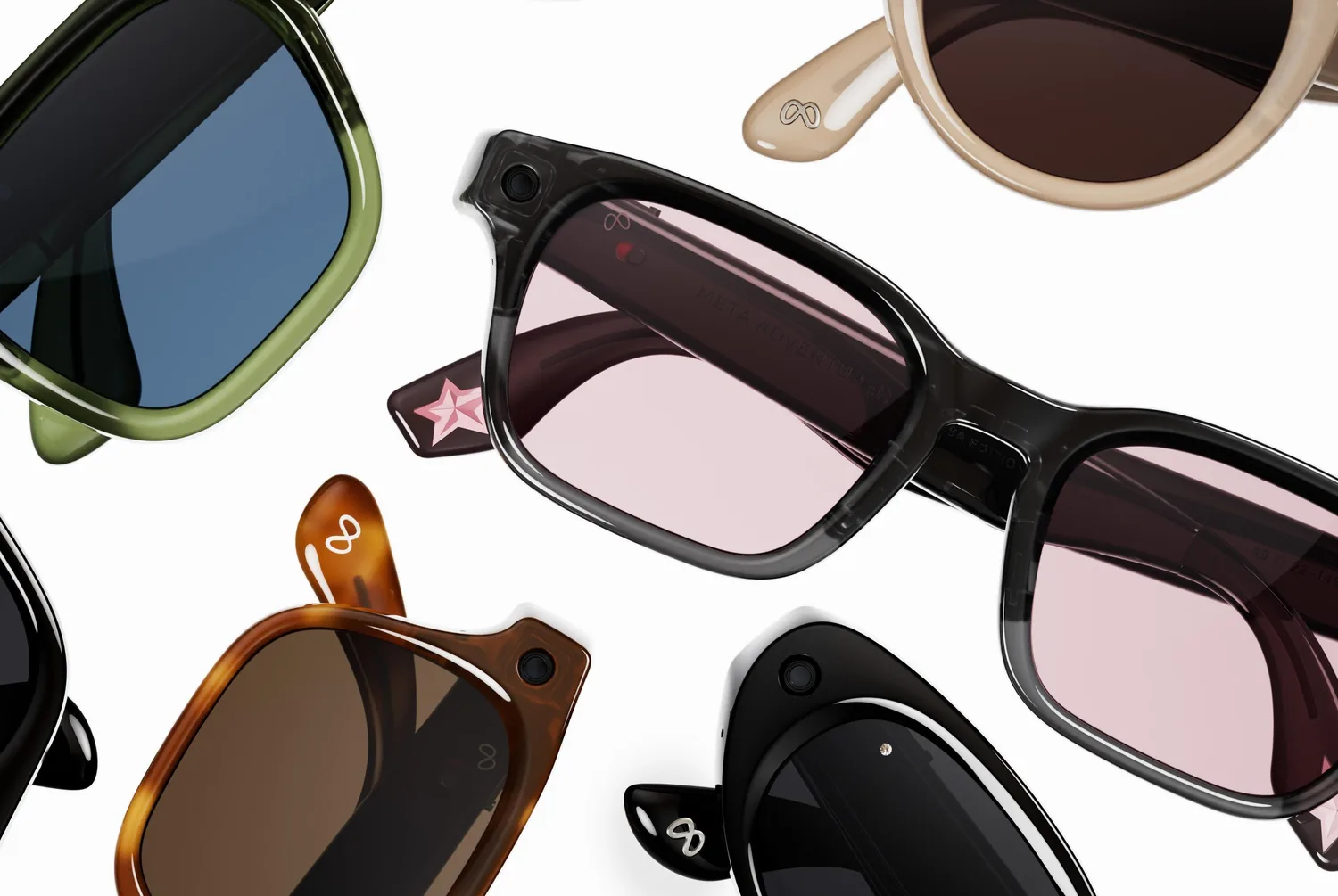
- Ray-Ban Meta Audio Glasses: Camera-free smart glasses explicitly removing video recording to address privacy backlash; preloaded with Meta AI
- Muse Agent updates: Gets dedicated email addresses for task management and cross-channel communication; Muse Mac App gains computer control capability
- Feature upgrades for existing glasses: Hearing Enhancement (FDA-cleared software for mild-moderate hearing loss), improved AI visual context for low-vision users, left-right ear audio control; Hearing Enhancement available as $149 add-on or via Meta One subscription
Hardware Deep Dive: Lightweight Design and No-Camera Strategy

The most notable hardware debut is the 100-gram Meta VR Glasses, fundamentally reimagining VR interaction.
Comparison shows clear user-focused design: the 100g weight (less than one-fifth of Quest 3’s 515g) eliminates full-head straps, offering a “lightweight Vision Pro” experience where users can quickly enter and exit sessions.
The glasses decompose traditional headsets: optical components rest on ears while computing happens in a pocket-sized puck. Demonstrated use cases included video viewing, gaming, and multi-screen productivity.
Multiple smart glass versions announced, including Ray-Ban Meta Audio Glasses that explicitly remove cameras to address privacy concerns. Previous camera-enabled glasses faced “pervert glasses” backlash over covert recording capabilities, prompting Meta’s shift to audio-first, no-recording AI glasses.
Muse Ecosystem Evolution: Software to Dedicated Hardware
Muse AI Agent now receives dual enhancements:
Hardware载体Muse Charm: Resembles a chunky smartwatch without a strap, featuring screen, lanyard, fingerprint sensor on top right, at least three microphone holes and a small camera on front. Zuckerberg emphasized convenience of direct AI access but offered no details on local vs. cloud processing.
Software expansion: Muse agents gain email addresses for independent task management and cross-channel communication; Mac app gains computer control permissions
Specifications Comparison
| Device | Weight | Key Features | Availability | Optional Add-ons |
|---|---|---|---|---|
| Meta VR Glasses | 100g | Ear-suspended VR, movie playback, multi-screen work | Spring 2027 (US) | $149 Hearing Enhancement module or Meta One subscription |
| Ray-Ban Meta Audio Glasses | Undisclosed | No camera, Meta AI integration, audio enhancement | After Connect 2026 (date undisclosed) | Undisclosed |
| Muse Charm | Undisclosed | Fingerprint sensor, mic array, quick activation | Demo only (stage presentation) | Undisclosed |
| Existing Meta glasses | — | Hearing Enhancement, AI visual description, single-ear audio | Later this year (month undisclosed) | $149 add-on or Meta One subscription |
Buying Recommendations: Match device to Use Case

Ready to try now:
- Casual VR users seeking lighter alternative to head-mounted devices; VR Glasses target those wanting “quick VR sessions without heavy commitment”
- Smart glass users prioritizing audio AI and voice interactions without video recording; Audio Glasses eliminate privacy concerns
Better wait:
- Creators or professionals needing camera functionality for photos/video; camera-removed glasses may limit productivity tool adoption
- Early tech enthusiasts concerned about Muse Charm battery and connection architecture; server link method undisclosed, real-world utility unverified
Final Thoughts
Meta Connect 2026 marks AI agent evolution from pure software to dedicated hardware form factors—Muse Charm signals big tech’s push for always-on physical interfaces. Meanwhile, the lightweight hardware trend is now undeniable: 100g VR glasses prove wearables can be genuinely unobtrusive—potentially pressuring Apple Vision Pro and Quest series to accelerate form-factor innovation.