
Lisa Su Returns to Seoul: Focus on HBM Memory Supply Cooperation
On October 7, 2026, ITHome, citing Bloomberg, reported that AMD CEO Lisa Su plans to meet this Wednesday in Seoul, South Korea, with Samsung Electronics Vice Chairman Jun Young-hyun, who heads the company’s semiconductor business. This is Lisa Su’s second visit to Seoul in seven months, underscoring AMD’s strong emphasis on the South Korean supply chain.
Key Facts
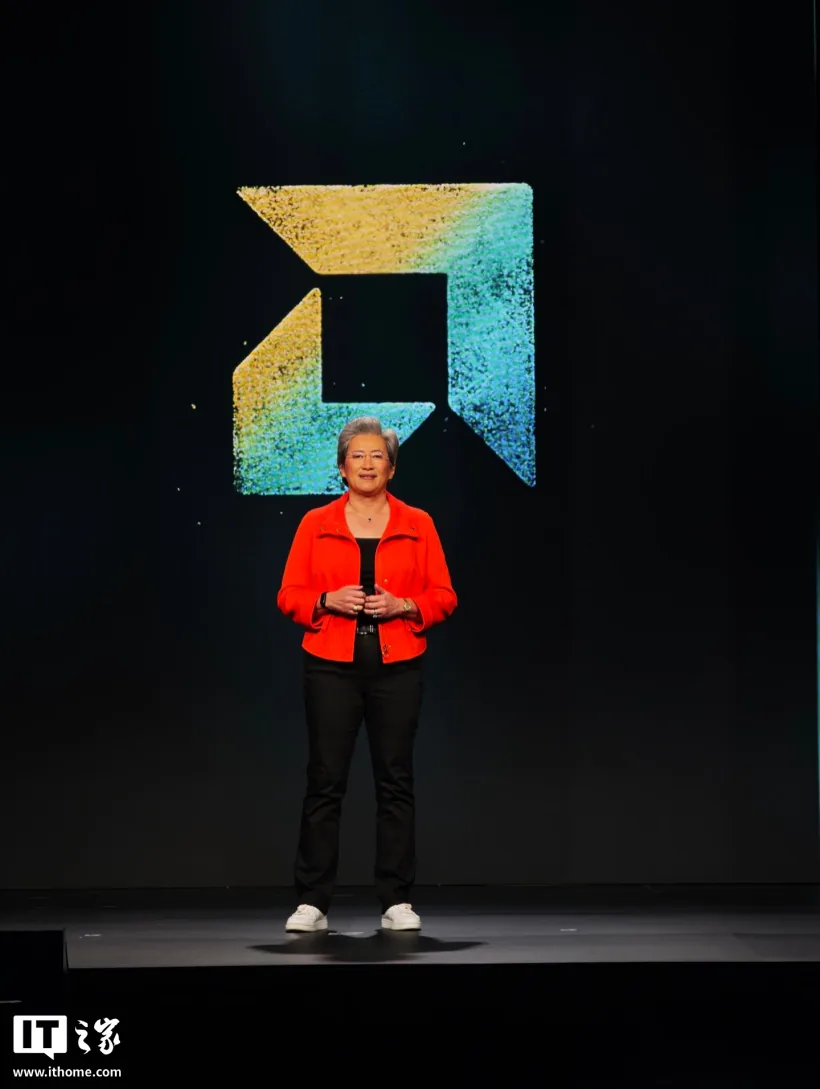
- Meeting time: Wednesday, October 2026 (exact date not announced)
- Meeting location: Seoul, South Korea
- Samsung representative: Vice Chairman Jun Young-hyun, who oversees Samsung’s core chip division
- Background: In March 2026, the two sides reached a supply agreement focused on next-generation HBM high-bandwidth memory and advanced memory chips
- Nature of the trip: An in-person business meeting during Lisa Su’s visit to Korea
HBM Shortage Becomes an AI Infrastructure Bottleneck
Memory chips are currently in widespread global shortage, becoming a key obstacle constraining the expansion of AI infrastructure. Memory chip prices continue to climb, now accounting for one of the largest cost items for data center operators. As an essential component of high-end AI accelerator chips, HBM (High Bandwidth Memory) supply stability directly affects the pace of AI server deployment.
Samsung and SK Hynix together shoulder the critical task of supplying HBM for global AI chips. South Korea is coordinating the two domestic giants to invest a combined $880 billion (about RMB 5.91 trillion) in building digital infrastructure and data centers for the AI era. The scale of this investment reflects South Korea’s strategic priority in securing the AI hardware supply chain at a systemic level.
Contrasting Data: South Korea’s Investment vs. Industry Cost Pressure
Although Samsung and SK Hynix have planned cumulative investments of nearly $900 billion for expansion, memory chip prices continue to soar—a sharp contrast: massive capital expenditure to expand capacity on one side, while data center operators face the risk of runaway costs on the other. This suggests that current memory demand may be growing far faster than supply expectations, especially with cutting-edge memory categories such as HBM still in a state of shortage.
Surprising Move: Frequent Visits Reveal a Shift in Supply Chain Strategy
Lisa Su’s second personal trip to Seoul in seven months signals that AMD is adopting a closer, more hands-on management strategy with its suppliers. Compared with previous years, when it mainly relied on remote agreements and routine procurement processes, this meeting may involve more specific delivery plans, capacity scheduling, or joint R&D arrangements, reflecting that memory chips have become a decisive variable in AMD’s product competitiveness rather than ordinary components.
Practical Takeaways for Readers
- Who should pay attention: AI compute procurement decision-makers, data center operators, and technology investors; it is advisable to continue watching subsequent HBM delivery details and price trends
- Who should wait: Delay-sensitive AI startup projects; be cautious about signing large-scale memory procurement agreements before contracts clearly specify delivery guarantees
Final Thoughts
The memory shortage has evolved from a cyclical fluctuation into a structural constraint. The frequent interactions between AMD and Samsung reveal that the AI race is shifting from a contest over chip compute to “memory bandwidth”: