
Lenovo YOGA Pro 15 RTX Spark Now on Sale, Starting at 29,999 Yuan
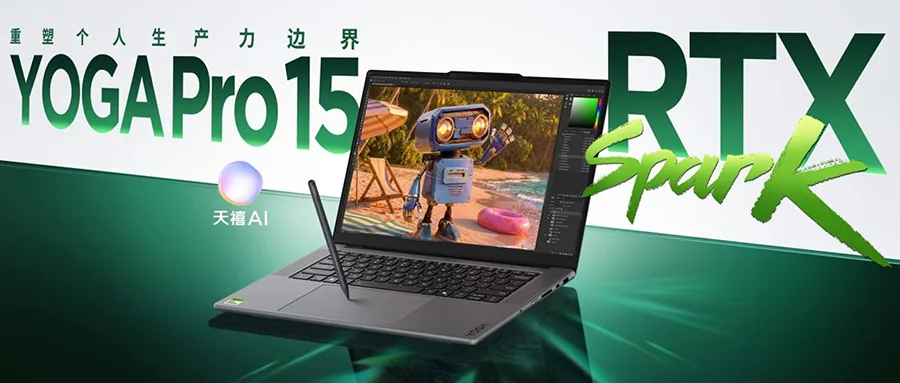
On October 16, 2026, the Lenovo YOGA Pro 15 RTX Spark super AIPC officially went on sale across all channels, with an official starting price of 29,999 yuan. Lenovo calls it among the world’s first local-agent AIPCs powered by the NVIDIA RTX Spark N1X superchip.
- On-sale date: October 16, 2026, across all channels
- Price: Starting at 29,999 yuan
- Core platform: NVIDIA RTX Spark N1X superchip, among the world’s first to feature it
- Availability: The machine is on sale now; Tianxi AI’s local Super Mode will arrive via a later OTA update
- Model capability: Lenovo says it can run local large models with over 100 billion parameters
A 6,144-core GPU and a 20-core CPU, with on-device compute rated at 1 Petaflop
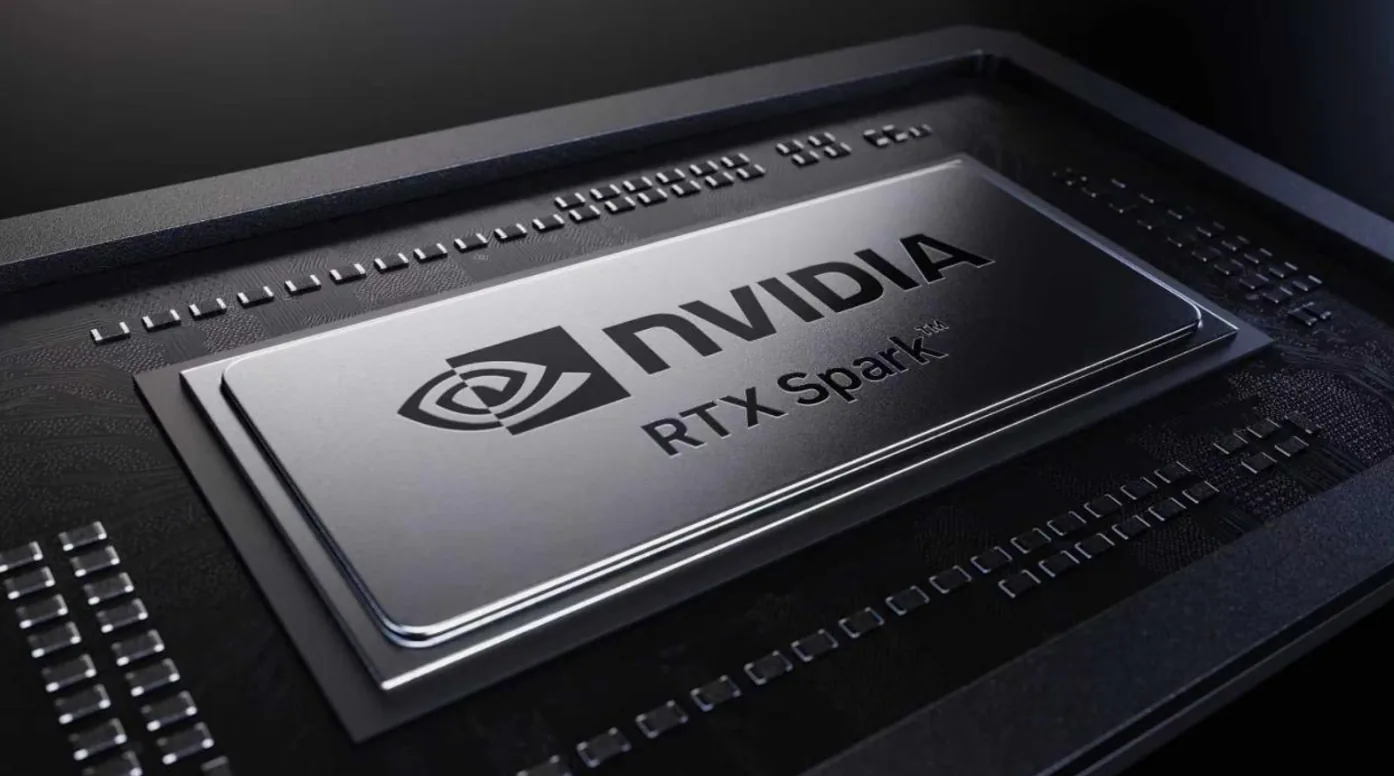
Let’s start by taking the chip apart. The NVIDIA RTX Spark N1X packs the GPU, CPU, and unified memory into a single superchip: it integrates a 6,144-core NVIDIA Blackwell RTX GPU and a 20-core NVIDIA Grace CPU, delivering up to 1 Petaflop of FP4 local AI compute on-device, with the NVIDIA CUDA platform running natively on the device.
Two terms here deserve a one-line explanation. FP4 is a low-precision numeric format that uses fewer bits to represent numbers, trading precision for greater throughput and lower memory footprint—well suited to inference rather than training. Unified memory means the CPU and GPU share the same high-bandwidth memory pool, rather than the CPU memory and discrete VRAM being separated as in the past.
The cost of that separation is straightforward: if model weights don’t fit in VRAM, you have to fall back on the cloud or extra hardware. This generation raises the ceiling to the 128GB class, with officially stated configurations of:
- Up to 128GB unified memory
- Up to 2TB of high-speed storage
- 80W full-power tuning
According to Lenovo, unified memory lets ultra-large models reside locally on a permanent basis, and complex concurrent multitasking is no longer constrained; combined with efficiency optimizations, it can sustain stable output during high-load large-model inference, high-resolution video rendering, and compiling large project codebases.
There’s another easily overlooked contrast: the machine packs a 92.5Wh silicon-anode high-density battery with a 140W peak discharge capability, and Lenovo claims that output is identical whether on AC power or battery. Laptops throttling when unplugged is the industry norm, so if this holds up in testing, it would be what truly sets this machine apart from ordinary high-performance laptops.
Works offline at zero token cost, but Local Super Mode has to wait for an OTA
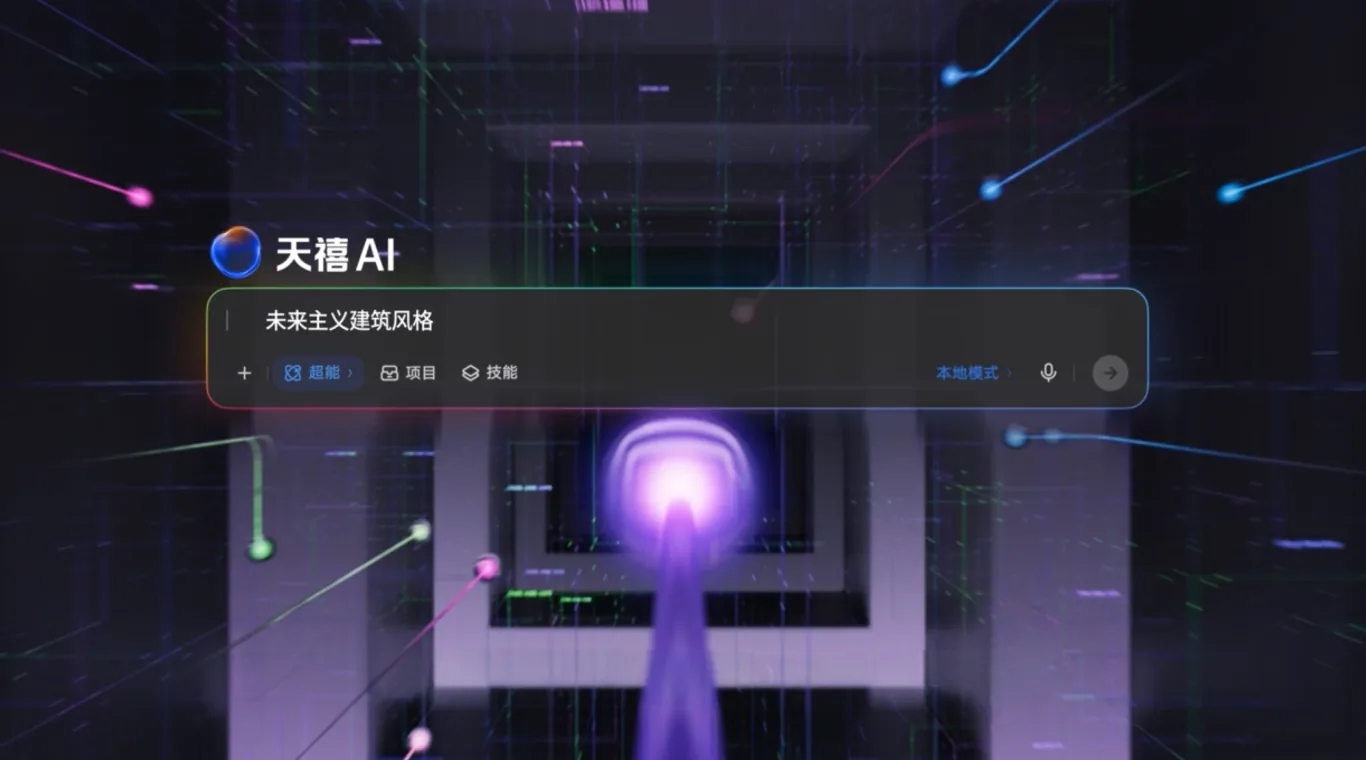
On the software side, the star is Tianxi AI, Lenovo’s personal super agent. Its new “Super Mode” supports integration with a range of productivity tools and can generate videos, web pages, documents, and other outputs; users can switch between Local Mode and Standard Mode, using Local Mode for private tasks.
Worth noting: Tianxi AI’s Local Super Mode will be delivered via a later OTA update.
In other words, early buyers get a machine whose hardware foundation is already in place, but the full local-agent experience awaits a push. How much of the officially touted “works offline, zero token cost, data stays local” can be delivered before the OTA arrives depends on what capabilities are already in the launch firmware.
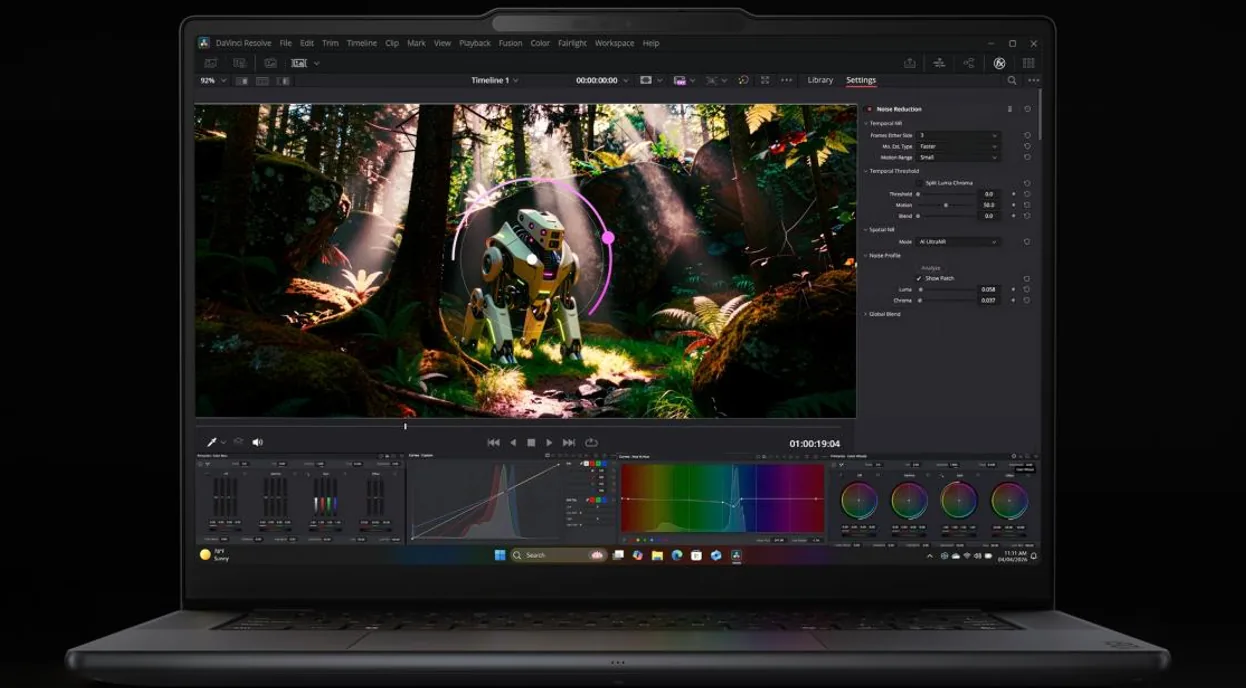
Lenovo lists high-frequency scenarios in three categories. AI creation covers everything from script ideation and visual storyboarding to audio/video asset generation, plus 3D modeling exploration and real-time rendering of UI interaction prototypes; programming and development rely on the native CUDA environment to audit private codebases, catch logic errors in real time, and refactor large architectures while offline; research scenarios cover literature review, on-device data processing, and modeling.
On hardware details, the machine comes in Thunder Gray with a 15.3-inch 2.5K OLED 165Hz touchscreen; for input there’s a 7-inch Wacom system-level certified full-area writing tablet that supports a stylus and can turn hand-drawn sketches into 3D models; the keyboard is a custom Rhyme model with 1.5mm travel and 0.3mm contoured micro-curve, with an internal aluminum alloy roll cage secured by 83 screws. At the system level, it natively supports over a thousand professional creation apps and is deeply compatible with the NVIDIA Studio platform.
| Item | Specification |
|---|---|
| Chip | NVIDIA RTX Spark N1X (6,144-core Blackwell RTX GPU + 20-core Grace CPU) |
| Local AI performance | Up to 1 Petaflop FP4 |
| Memory/Storage | Up to 128GB unified memory / up to 2TB |
| Power | 80W full-power tuning |
| Display | 15.3-inch 2.5K OLED 165Hz touch |
| Battery | 92.5Wh silicon-anode, 140W peak discharge |
| Input | 7-inch Wacom-certified tablet; custom Rhyme keyboard (1.5mm travel) |
| Price | Starting at 29,999 yuan |
Who it’s for, and who should wait
It’s a good fit for people who treat “data never leaves this machine” as a hard requirement: creators holding unreleased material, developers who need to audit private codebases, teams handling sensitive research data. For them, the 29,999 yuan buys not a spot on a performance leaderboard but a local compute channel that doesn’t depend on the network or API fees.
Those who should wait are the users drawn in by the “local agent” label. Local Super Mode is still in the OTA queue, and which models it can actually run and what the real throughput looks like are for now only official claims, with no third-party testing. If the need is just everyday office work and light AI assistance, a cloud API plus an ordinary laptop is far cheaper.
Final thoughts
On-device running of 100-billion-parameter models has gone from demo to a product you can order, showing that the AIPC race has shifted from “do you have an NPU” to “can you keep large models resident locally over the long term.” Lenovo sidesteps both the VRAM bottleneck and cloud fees with a single superchip—a clear approach; what will really determine this machine’s reputation is whether the pace of software delivery can keep up with the aggressiveness of its hardware specs.