
Lenovo Launches First Snapdragon C11-0100 Laptops, Expanding Windows-on-ARM Portfolio
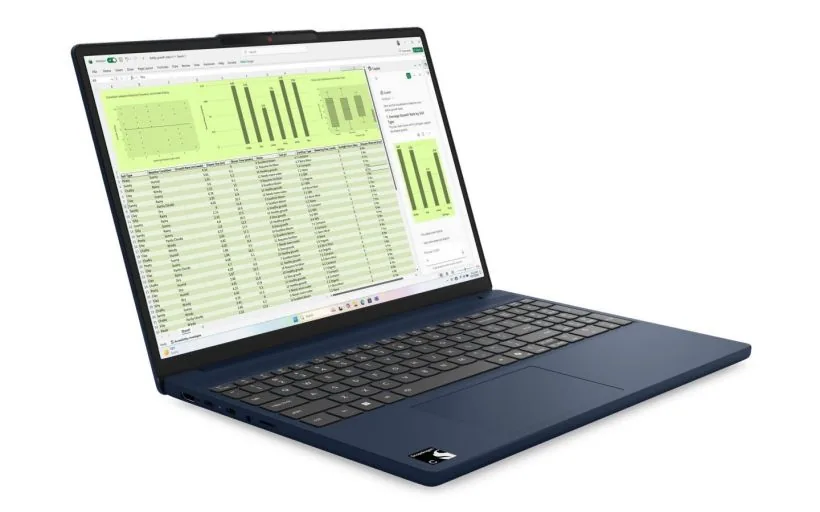
Lenovo has publicly listed two new Windows on ARM laptops powered by Qualcomm’s Snapdragon C-series platform via its Product Specification Reference (PSREF) website on September 18, 2026. Models are identified as IdeaPad Slim 3 14Q7X11 and IdeaPad Slim 3 15Q7X11, both belonging to the IdeaPad Slim 3x (11) family.
Key specifications confirmed:
- Product type: 14-inch and 15-inch Windows-on-ARM ultraportables
- Availability: Listed on PSREF website; launch timeline imminent
- Processor: Qualcomm Snapdragon C C11-0100 (8-core CPU + Adreno GPU)
- Memory & storage: Onboard LPDDR5X-6393 RAM (4GB/8GB); up to 128GB UFS 3.1 embedded storage + 1 × PCIe Gen3×2 M.2 2242 SSD slot
- Battery: 50Whr capacity
- Connectivity: Wi-Fi 6E + Bluetooth 6.0
- Ports: 2× USB-A 5Gbps, 2× USB-C (full功能), 1× HDMI 1.4, 1× 3.5mm combo audio, 1× microSD reader
Notably absent: No performance benchmarks or ARM compatibility certification details provided—this remains the critical unknown for prospective buyers navigating Windows ARM’s emulation limitations.
Snapdragon C11-0100 Platform Architecture and Performance Profile
The Snapdragon C C11-0100 implements an 8-core CPU with specific frequency tiers:
- 1 performance core at 3.0GHz
- 3 efficiency cores at 2.6GHz
- 4 GPU cores at 2.0GHz
- 2MB total L2 cache integrated
Memory support spans LPDDR5X-6393, a low-power, high-bandwidth DRAM type common in mobile devices. Storage combines onboard UFS 3.1 flash with a user-upgradeable M.2 SSD slot, striking a balance between baseline capacity and upgrade flexibility—a setup mirroring current mainstream ultrabook trends.
No specific battery life figures were disclosed, yet the 50Whr capacity combined with ARM’s inherent power efficiency suggests viable all-day endurance for typical office workloads.散热 design details remain unspecified.
14-inch vs 15-inch: Specification Comparison
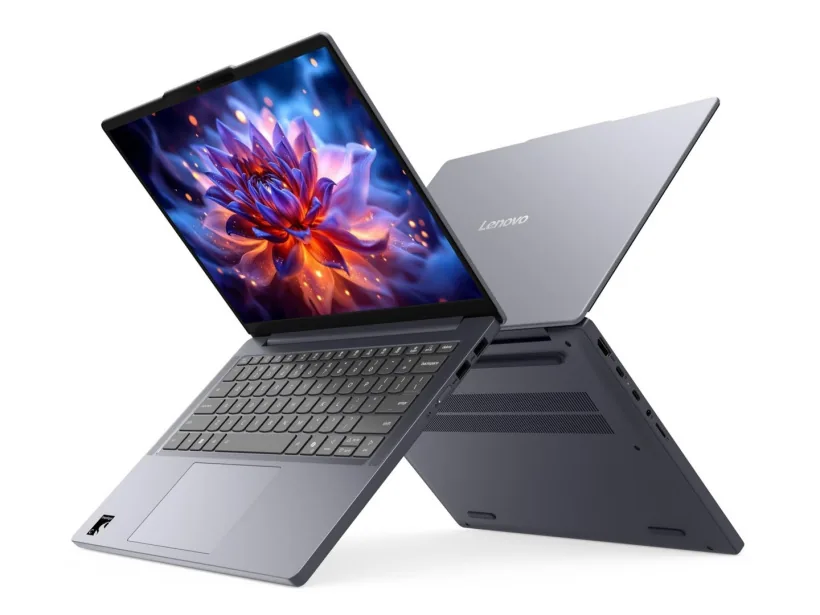
| Feature | IdeaPad Slim 3 14Q7X11 | IdeaPad Slim 3 15Q7X11 |
|---|---|---|
| Screen size | 14-inch | 15-inch |
| Resolution | 1920×1200 | 1920×1200 (base); multi-touch variant (color spec mentioned only) |
| Color gamut | 45% NTSC | Same for base; 100% sRGB for high-color variant |
| Brightness | 400 nits | Not specified |
| Panel tech | IPS | IPS (base); IPS with multi-touch for variant |
| Starting weight | 1.39 kg | 1.59 kg |
| Multi-display support | Max 2 displays | Max 2 displays |
Port selection is identical across models, with only two USB-A ports despite USB-C being fully functional—potentially limiting USB peripheral convenience for users without adapters.
Who Should Buy, and Who Should Wait?
Ideal candidates:
- Mobile professionals prioritizing battery life and portability for light workloads (web, email, Office, video conferencing)
- Users seeking Windows ecosystem continuity with tablet-like endurance
- Those primarily running ARM-native or Microsoft-verified applications with minimal x86 compatibility dependencies
Recommended to wait:
- Users requiring more than two simultaneous displays (multi-display limit is fixed at 2)
- Professionals relying on x86-only software without viable ARM alternatives ( graphic design tools, legacy business apps)
- Technical users demanding high-precision color reproduction—highest spec mentioned is «100% sRGB» with no Delta E or professional calibration data disclosed
Final Thoughts
Though performance metrics remain unreleased, the Snapdragon C11-0100’s 3.0GHz peak and 8-core layout indicate a premium positioning. Lenovo’s expansion of Windows ARM into the mainstream IdeaPad lineup signals meaningful democratization of the platform beyond niche商用 devices—but dual-display constraints and compatibility transparency gaps continue to shape realistic adoption boundaries for broader markets.