
Moonshot Launches Dedicated Coding Desktop Application
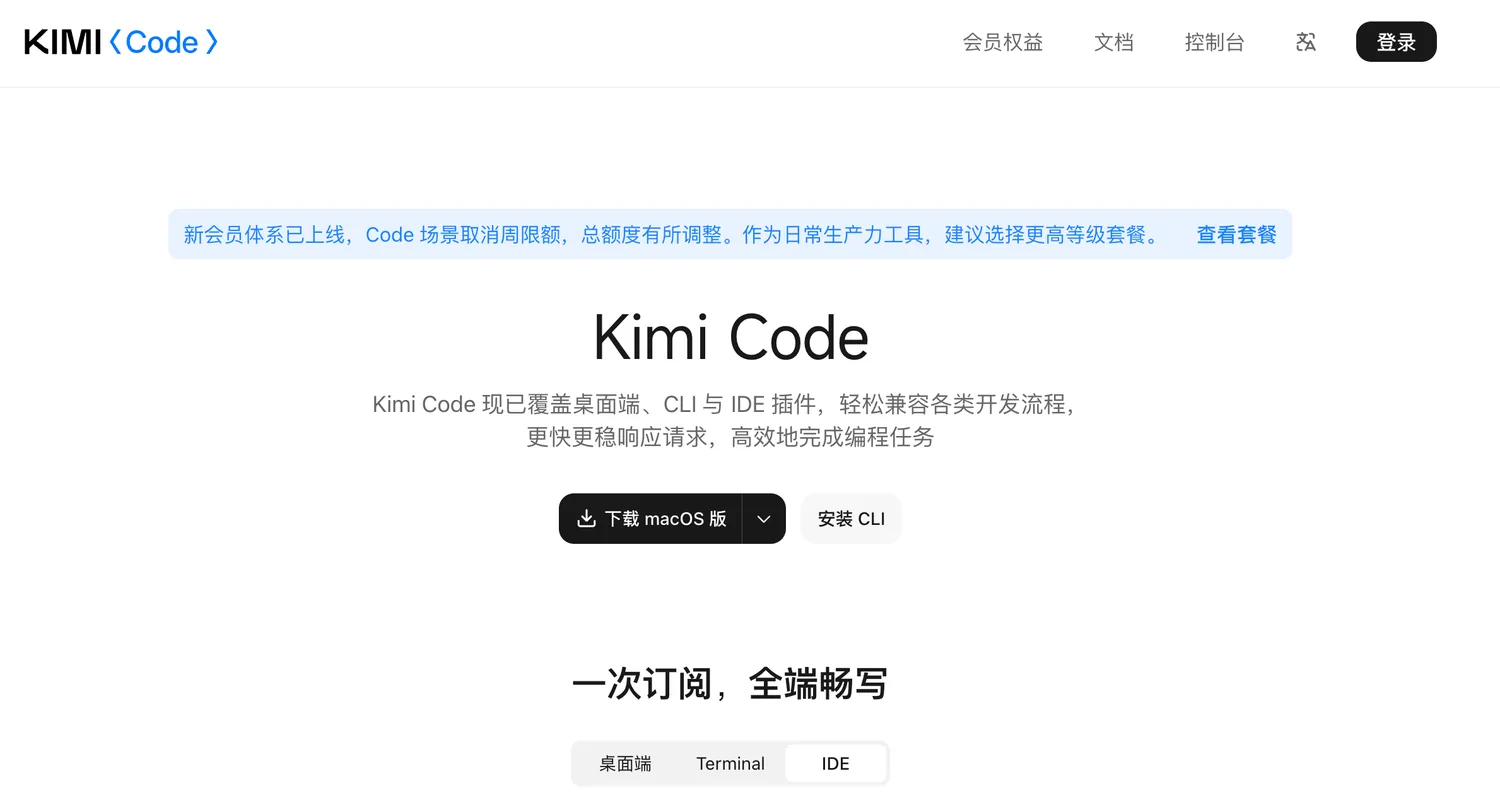
On September 17, 2026, Moonshot AI introduced the desktop version of Kimi Code, its coding-focused AI tool, natively supporting macOS and Windows with the flagship Kimi K3 model built in and third-party API model support available. Key facts:
- Release date: September 17, 2026
- Supported platforms: macOS, Windows
- Built-in model: Kimi K3 (flagship tier)
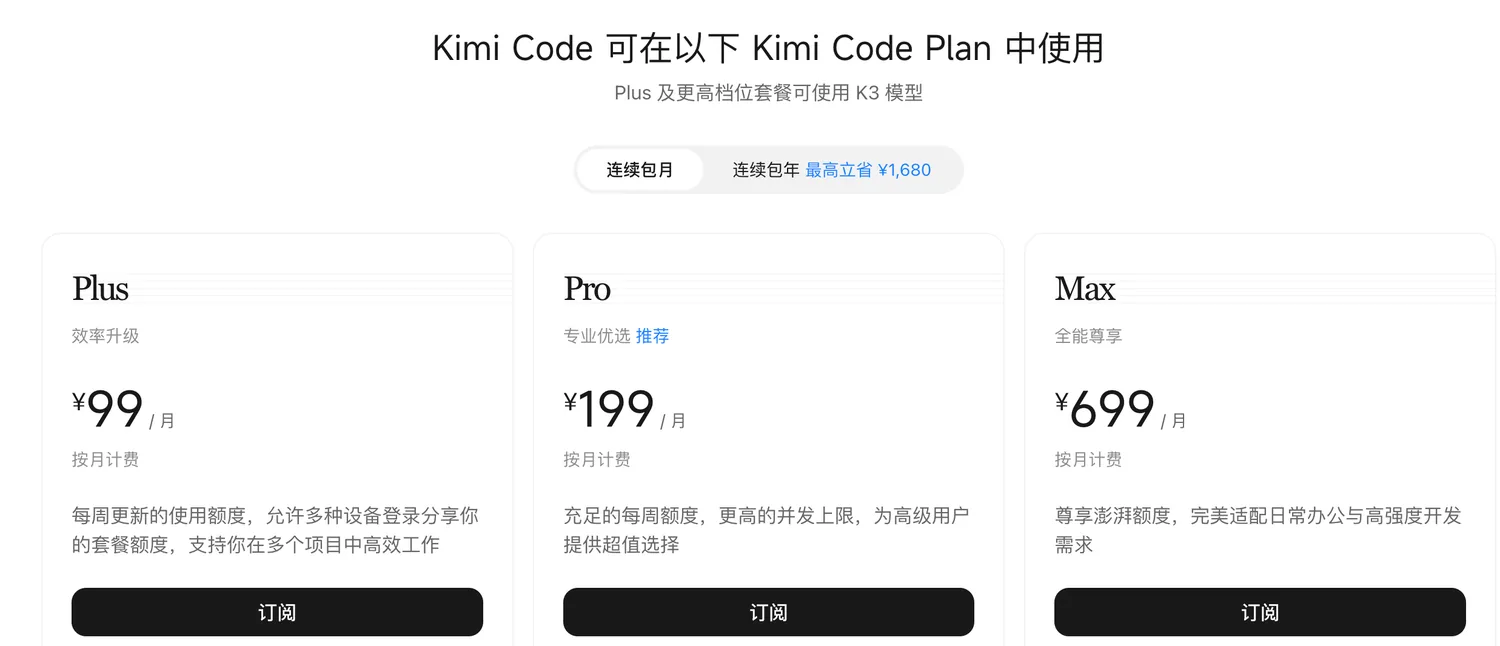
- Subscription tiers: 3 options at ¥99, ¥199, and ¥699 per month (auto-renewing)
- Installer size: 143 MB
- API support: Works with OpenCode Go and DeepSeek (fixable session header issue for OpenCode Go)
- Access control: Kimi Code Plan subscribers can use K3; lowest-tier Kimi membership does not enable Kimi Code access
Core Features and User Experience
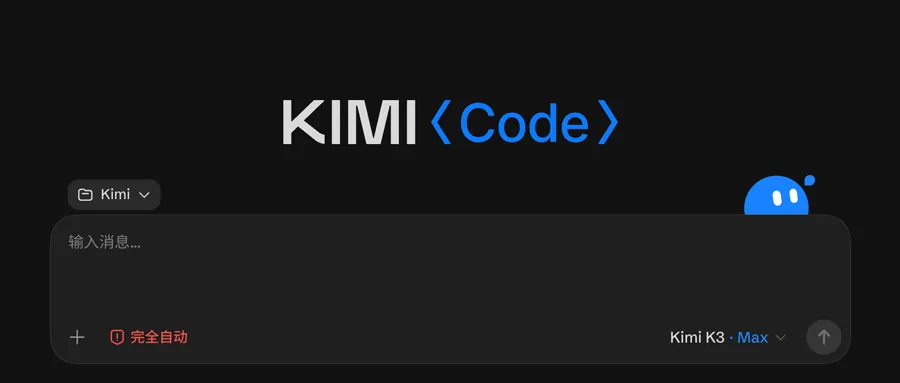
The desktop app weights just 143MB with zero post-installation setup steps, demonstrating a lean architectural approach. Users can choose between two theme options: “Moonlight Side” (light) and “Dark Side” (dark), maintaining brand consistency. The built-in browser delivers rapid responses—searching GitHub takes only a few seconds.
Computer Use functionality performed smoothly in testing: when prompted to “open WPS using mouse, create an Excel file, save to desktop as 小猪猪3.0”, the agent completed the sequence efficiently. The screen cropping with annotation feature allows screenshot capture of arbitrary screen regions and inline annotation, enhancing collaborative workflow.
Additional capabilities include Kimi Datasource for querying financial, macroeconomic, enterprise, academic, and legal data; plus Plan Mode and Goal Mode for different productivity patterns.
Third-Party Model Integration Details
Third-party API integration is available via the vendor settings tab. While DeepSeek models operate out-of-the-box, OpenCode Go initially fails due to a missing required session ID header (“x-opencode-session”) per dialog. This stems from OpenCode Go’s gateway policy requiring the header, which the initial release omitted. A terminal command (specific syntax omitted in source material) can resolve this, after which all 27 OpenCode Go models load successfully.
Subscription Tiers and Adoption Guidance
| Tier | Auto-renewal Price | Includes Kimi K3 | shares Kimi Membership Perks |
|---|---|---|---|
| Basic | ¥99/month | Yes | Yes (tier-aligned) |
| Pro | ¥199/month | Yes | Yes (tier-aligned) |
| Annual | ¥699/year | Yes | Yes (tier-aligned) |
Critical note: The lowest-tier Kimi membership cannot access Kimi Code features; separate subscription to Kimi Code Plan is required.
Who Should Use It Now vs. Wait
- Ready to try: Developers whose work centers on coding—especially full-stack engineers and QA testers who benefit from Computer Use or built-in browsing
- Wait for updates: Non-coding-dominant users should prefer Kimi Work; early adopters may want to hold off until Plugin/Skill GUI standardization is complete (some manual configuration still needed)
Final Thoughts
Kimi Code Desktop reflects AI-powered coding assistance evolving toward specialization and vertical optimization. Its compact 143MB footprint combined with sub-second Computer Use latency positions it uniquely against local-first dev tools. If plugin systems open further, it could reshape the developer productivity ecosystem.