Project Core Facts
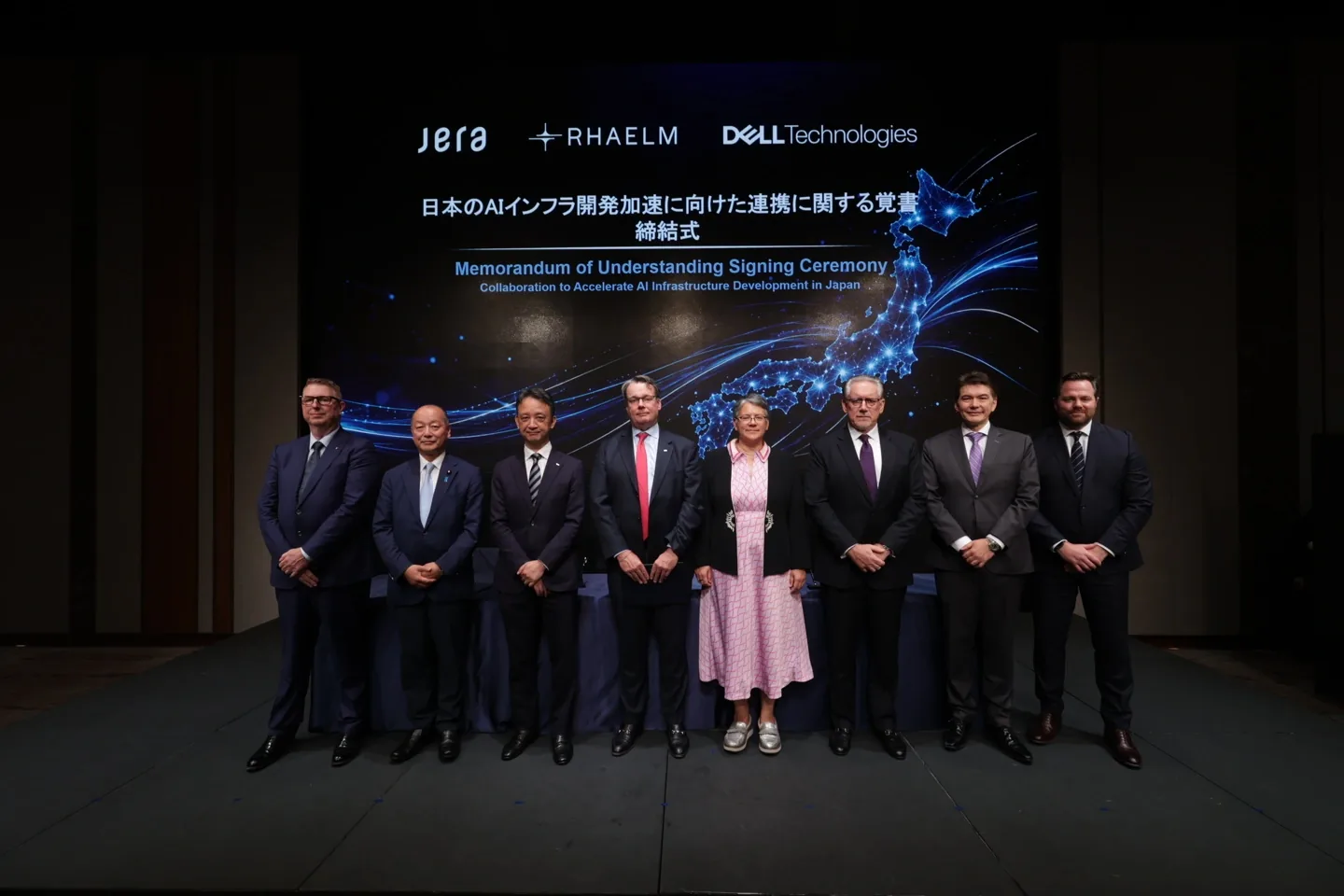
- Announcement date: October 1, 2026 (Japan local time)
- Partners: JERA (Japan’s largest power utility), Dell, RHAELM (sovereign AI infrastructure developer)
- Location: Chiba Prefecture (east of Tokyo)
- Design capacity: 400MW, the largest single-site AI data center in Japan
- Estimated investment: Over $1.5 billion USD (approx. 10.08 billion RMB at current exchange rate)
- Financing support: Apollo
- Expected operational date: 2028
Technical Setup & Location Strategy
The AI data center will be constructed adjacent to JERA’s existing fossil-fueled power plant, utilizing behind-the-meter (BTM) power supply—directly drawing electricity from the power plant without connecting to the public grid. This arrangement dramatically shortens the timeline for auxiliary power infrastructure development and regulatory approval, enabling the site to go live by 2028.
The signed memorandum of understanding covers both the first-phase project and the joint effort to develop standardized frameworks for AI infrastructure construction across Japan.
A notable contrast: in a global context where decarbonization pressures push fossil fuels out of new infrastructure, Japan’s largest AI data center is being launched依托 (anchored in) a conventional thermal power station. This highlights JERA’s pragmatic approach to meeting surging AI power demand amidGrid constraint and uncertain renewable projections.
Expansion Roadmap
JERA and RHAELM plan to replicate this model at other JERA sites, targeting multi-gigawatt scale AI infrastructure capacity by the 2030s. The phased rollout suggests a systematic conversion of Japan’s aging thermal plants into AI compute hubs.
Reader Guidance
- Who should act: Japanese and Asia-facing AI investors, infrastructure planners evaluating BTM power models, and enterprises monitoring Japan’s AI hardware supply capacity.
- Who should wait: Stakeholders requiring granular sustainability data—exact PUE (Power Usage Effectiveness), cooling methodology, or carbon-intensity metrics were not disclosed. Wait until operational performance data becomes available.
Closing Perspective
Traditional energy firms entering digital infrastructure is a rising global pattern. Japan’s choice to anchor its flagship AI center in fossil generation reflects both the pragmatism of its energy transition and the reinvention of coastal industrial zones as AI-ready power corridors. The real test ahead: whether thermal-to-compute conversion can balance economics and carbon compliance through the 2030s’ tightening net-zero regime.