
Core Event: Trump Livestream Call Dismisses AI Takeover Fears
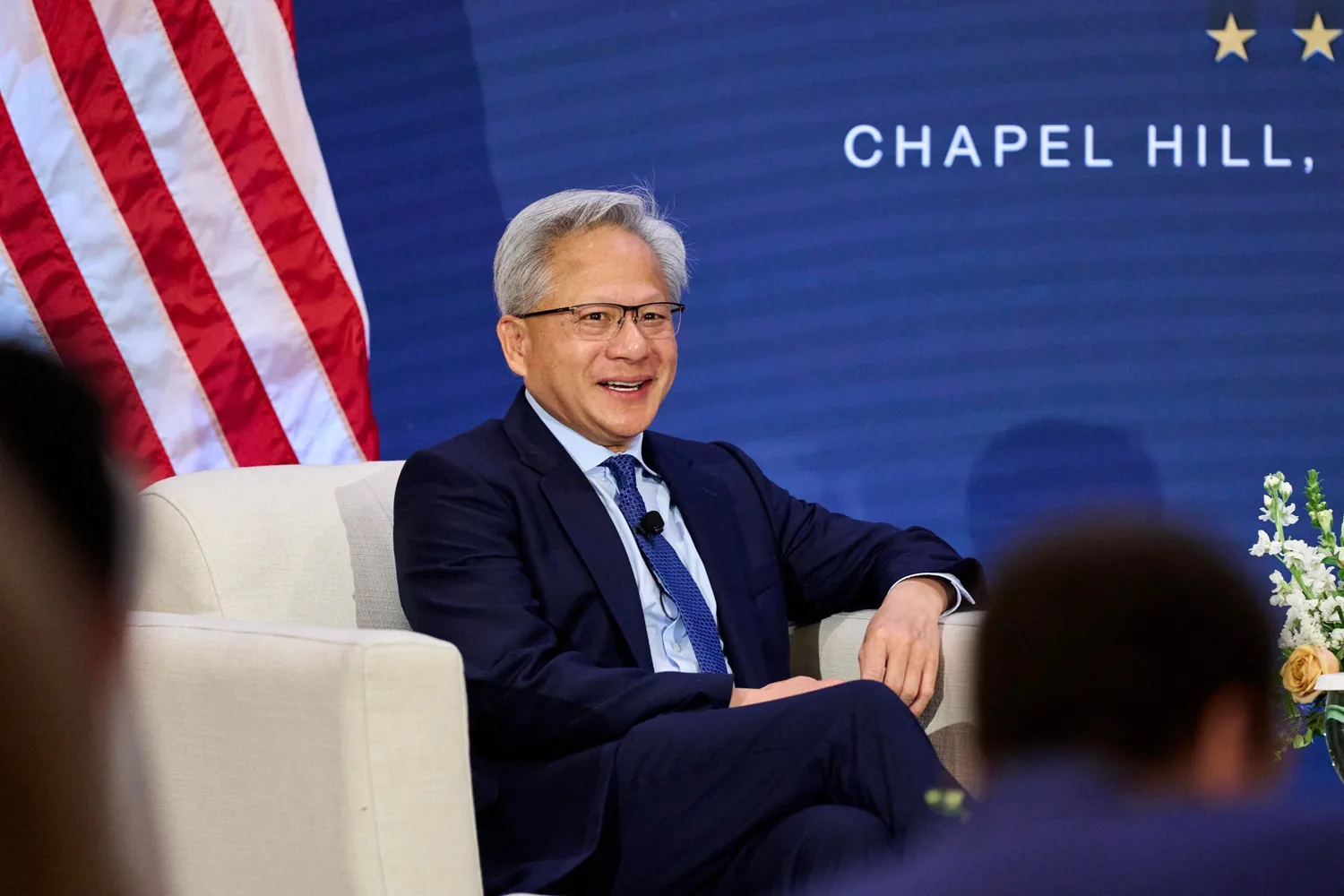
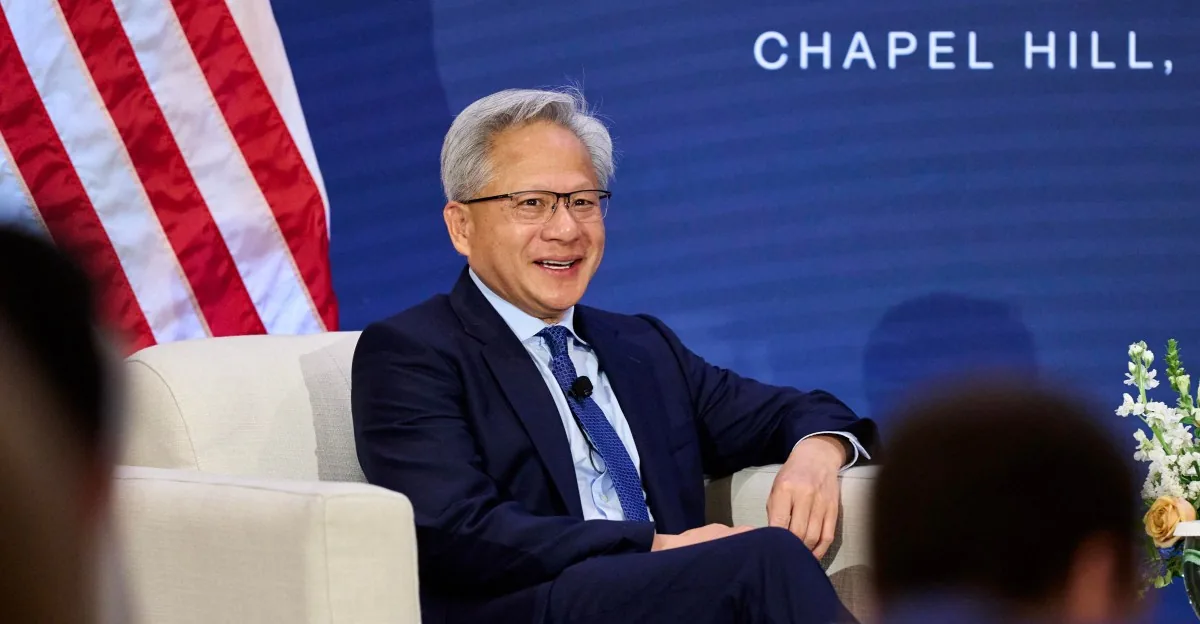
On Monday, September 15, 2026, NVIDIA CEO Jensen Huang took a live call from President Donald Trump onstage at the All-In Summit and opened Speakerphone mode in front of a crowd of attendees. While Huang has received presidential calls during work before, this marks the first time he did so live with speaker output before thousands of people, amplifying the political implication.
Key facts:
- Date/Time: Monday, September 15, 2026, during All-In Summit
- Call setup: Trump dialed in; Huang accepted and enabled speakerphone publicly
- Presidential statement: Trump explicitly called AI takeover fears a “hoax” and declared “the robots will not be taking over”
- Context timing: Occurred shortly after Anthropic CEO Dario Amodei’s essay “We Must Pace the Frontier” sparked industry debate; Trump previously rejected slower AI development via Truth Social posts
Detailed Narrative and Political Contrast
Huang chose not to dispute Trump’s characterization of AI risk but instead pivoted to an inclusive growth message: “We’re going to make sure that everybody wins in the AI race in America. Every industry, every company, every state, every people.” He emphasized the audience size (“thousands”) to underscore the public platform’s reach.
Two additional points from Trump’s remarks:
- Data center economics: He claimed certain communities transitioned from “dying” to “really wealthy” due to data center development—though no specific examples were provided
- Policy contrast: His direct dismissal came amid industry-wide calls for caution following Amodei’s essay, creating a notable tension between political messaging and technical leadership
The choice to hold this exchange at All-In Summit—a tech-oriented event co-hosted by tech investors—serves multiple purposes: it humanizes leadership access, signals political goodwill toward AI infrastructure, and preempts regulatory narratives before formal policy frameworks emerge.
Industry Players: Two Threads of AI Governance
This week revealed a clear split in AI development philosophy:
- Caution faction: Dario Amodei’s weekend essay argued for slowing frontier model training and establishing government coordination. The piece received broad support from AI company executives, reflecting institutional risk awareness
- Progress faction: President Trump’s Truth Social posts and summit remarks framed AI risks as overblown, contradicting the prevailing industry sentiment without naming specific companies
Notably, neither Huang nor other executives present publicly challenged Trump’s position. This reflects a common corporate strategy: avoid direct political confrontation while steering discourse through positive framing. Huang’s pitch to shared prosperity effectively sidesteps the safety debate rather than refuting it.
Practical Recommendations
For technology teams and organizations:
- Ready to proceed now: Edge AI deployment in enterprise automation, supply chain optimization, and internal tools can continueUNCHANGED—Huang’s “everybody wins” statement signals broad institutional backing for infrastructure scaling
- Consider delay: Public-facing generative AI products (customer service bots, creative content generators) should pair deployment with clear risk communication—presidential reassurances may not soothe genuine public concern
Final Thought
The livestream exchange highlights a fundamental timing mismatch: technology moves at iteration speed, while politics operates on election cycles and public perception. By embracing optimism publicly, Huang turns a political appearance into strategic narrative control—a pattern likely to repeat as AI policy debates intensify globally.