
Release Timeline & Availability
- Launch Date: Officially released on September 24, 2026 (Android users received staggered access starting in June 2026)
- Supported Regions: United States, Brazil, and India only (no immediate plans for China or EU)
- Platform Support: Both iOS and Android (synchronized global rollout)
- Pricing Model: Free for all users (no Google AI Pro or Ultra subscription required)
- Version Requirement: Requires updated Google Photos app
Core Technology & Functionality
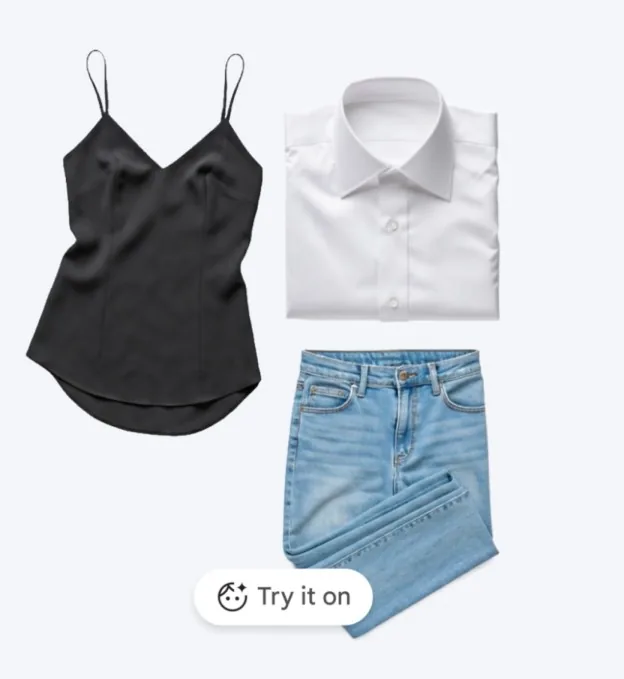
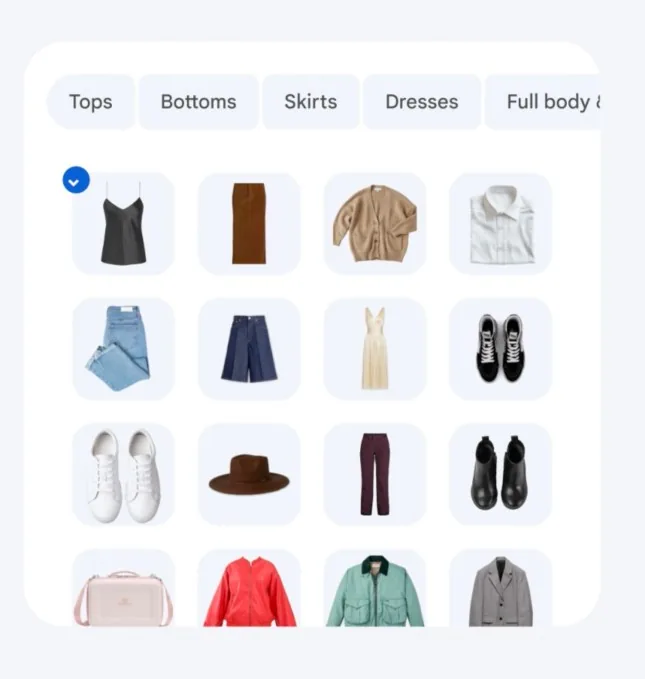
Google Photos’ new virtual closet leverages AI to automatically scan users’ existing outfit photos and construct a digital wardrobe. Inspired by the iconic 1995 film Clueless, where Cher used a virtual wardrobe to manage her extensive clothing collection, the feature democratizes what was once a cinematic symbol of privilege.
Key facts:
- Data is not shared with third parties—including retailers—per Google’s stated privacy policy
- Items can be filtered by category (tops, bottoms, accessories, etc.)
- Users can mix and match clothing pieces to visualize outfit combinations
Significantly, the system operates passively: no manual input or separate photo uploads are needed. It scans existing photos in the user’s library and categorizes them automatically. Google positions this strictly as a personal organization assistant—not an e-commerce or fashion recommendations tool—setting it apart from AI try-on features promoted by retail platforms.
Additional Google Photos Upgrades
Alongside the virtual closet, this release includes:
- Gemini Spark Enhancements: One-tap prompting to select, brighten, and share photos; (requires Google AI Pro or Ultra subscription)
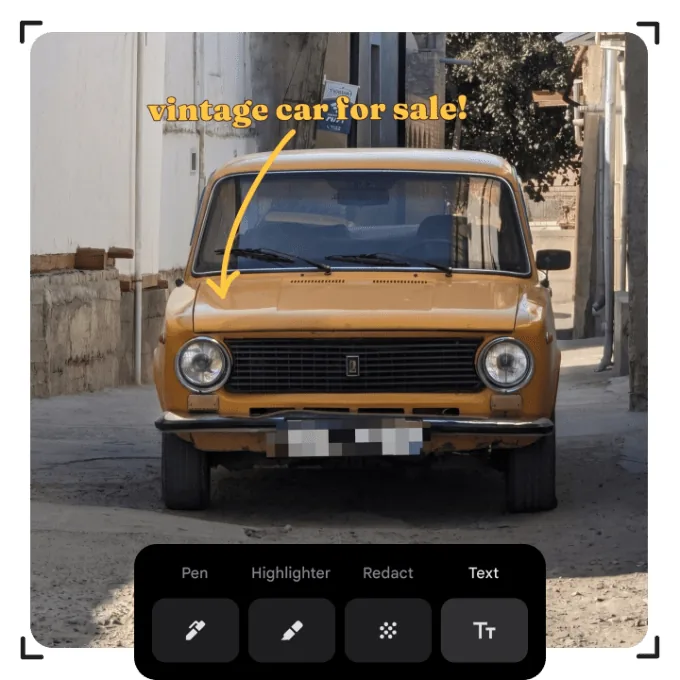
- Markup Tool Improvements: Redacting pen for blurring license plates, precise thickness sliders for sketching, multiple fonts for text overlays
- Moods Filters (Android-only): New aesthetic presets including 35mm film, 2000s digicam, and archival styles
User Recommendations

Best for:
- Casual users who frequently photograph their outfits and want quick visual recall
- Content creators managing large visual archives needing style consistency
- Photo organizers enhancing legacy images with vintage滤镜 (Moods filters)
Hold off if:
- You consider clothing in photos as identifiable personal data (even anonymized, facial recognition co-location risks exist)
- You’re outside the supported regions (U.S., Brazil, India)—no timeframe for other markets
Final Thoughts
What began as a satire of aristocratic excess has matured into practical personal organization software. The real impact lies not in replicating movie magic, but in reversing decision fatigue: for users with 100+ choices, eliminating the daily “what to wear” micro-question saves mental bandwidth. The tipping point arrive when features shift from showing off to quietly doing work.