
Key Event: Google Opens Up, Significantly Lowering the Barrier for AI Assistants to Control Smart Devices

On Wednesday, September 16, 2026, Google officially opened early access to its Model Context Protocol (MCP) server to select users, allowing MCP-enabled AI assistants such as Claude and ChatGPT to control smart devices in the Google Home ecosystem through natural-language commands. This marks the first time Google has opened MCP capabilities to consumer smart home scenarios.
The key concrete facts are as follows:
- Release timing: Staged rollout starting Wednesday, September 16, 2026, over several weeks
- Eligible users: Google Home Premium Advanced subscribers in the U.S. only
- Subscription cost: $20/month (premium tier, including event video history, descriptive notifications, and other features)
- Availability: Currently early access; Google has not disclosed when it will expand to other subscription tiers or international markets
- Device compatibility: All Google Nest products (doorbells, thermostats, etc.) + Works with Google Home (Matter) devices (such as smart bulbs)
Service Details and Setup
Users need to complete a three-step setup: first, create a Google Cloud project and enable Home MCP; second, provide the MCP configuration information to the AI assistant they use; finally, the assistant guides the user through sign-in authorization and granting permissions. Google Home Developer Center will provide accompanying setup guides.
Supported actions include: reviewing camera video summaries via natural language, monitoring smart home activity logs, remotely controlling connected devices (such as turning lights on and off, adjusting temperature), and user-customized smart dashboards. MCP is essentially a context-exchange protocol that enables AI assistants to securely access device data and execute control commands; it was designed to improve the reliability of multimodal agents interacting with the real world.
An easily overlooked contrast: Google has actually long since deployed MCP in enterprise scenarios such as Cloud, Workspace, and developer tools; extending it to the home is a strategic move downmarket, but it is initially limited to the most expensive $20/month subscription tier, so ordinary household users still cannot use it—a pace clearly different from how Google opens capabilities to developers and large customers.
Comparison of Supported Device Scope
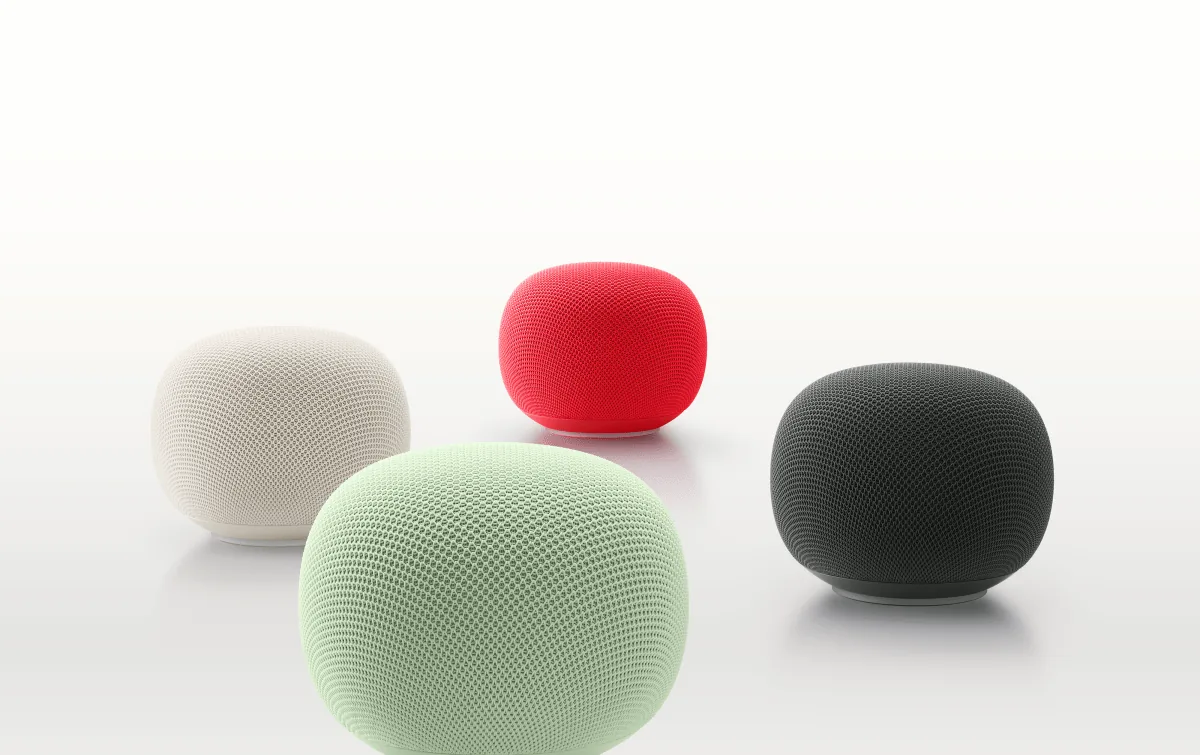
| Device Type | Supported | Notes |
|---|---|---|
| Google Nest doorbells | Yes | Can access video summaries and activity logs |
| Google Nest thermostats | Yes | Can remotely adjust temperature settings |
| Works with Google Home (Matter) devices | Yes | Such as third-party smart bulbs, plugs, etc. |
| Non-Matter, non-Google ecosystem devices | No | Must connect through a Google Home gateway |
Practical Recommendations
Users who should try it now: Tech-savvy households that already subscribe to Google Home Premium Advanced ($20/month) and make heavy use of AI assistants such as Claude and Hermes to manage daily tasks; they can use custom voice commands to build automation workflows such as “lock the door with one command” and “dim the lights at 9 p.m.”
Users who should wait: Ordinary households or those using only the basic Home service—there is currently no free or low-barrier option; non-U.S. users will also have to wait for Google to announce a broader market expansion timeline.
Final Thoughts
The launch of Home MCP marks AI agents moving from virtual interaction to operating in the physical world. Its real value lies not in the convenience of a single control action, but in enabling continuous, trustworthy automated life scenarios. However, the initially closed subscription restriction also reflects Google’s cautious attitude toward the commercialization path for smart homes.