
Core Event
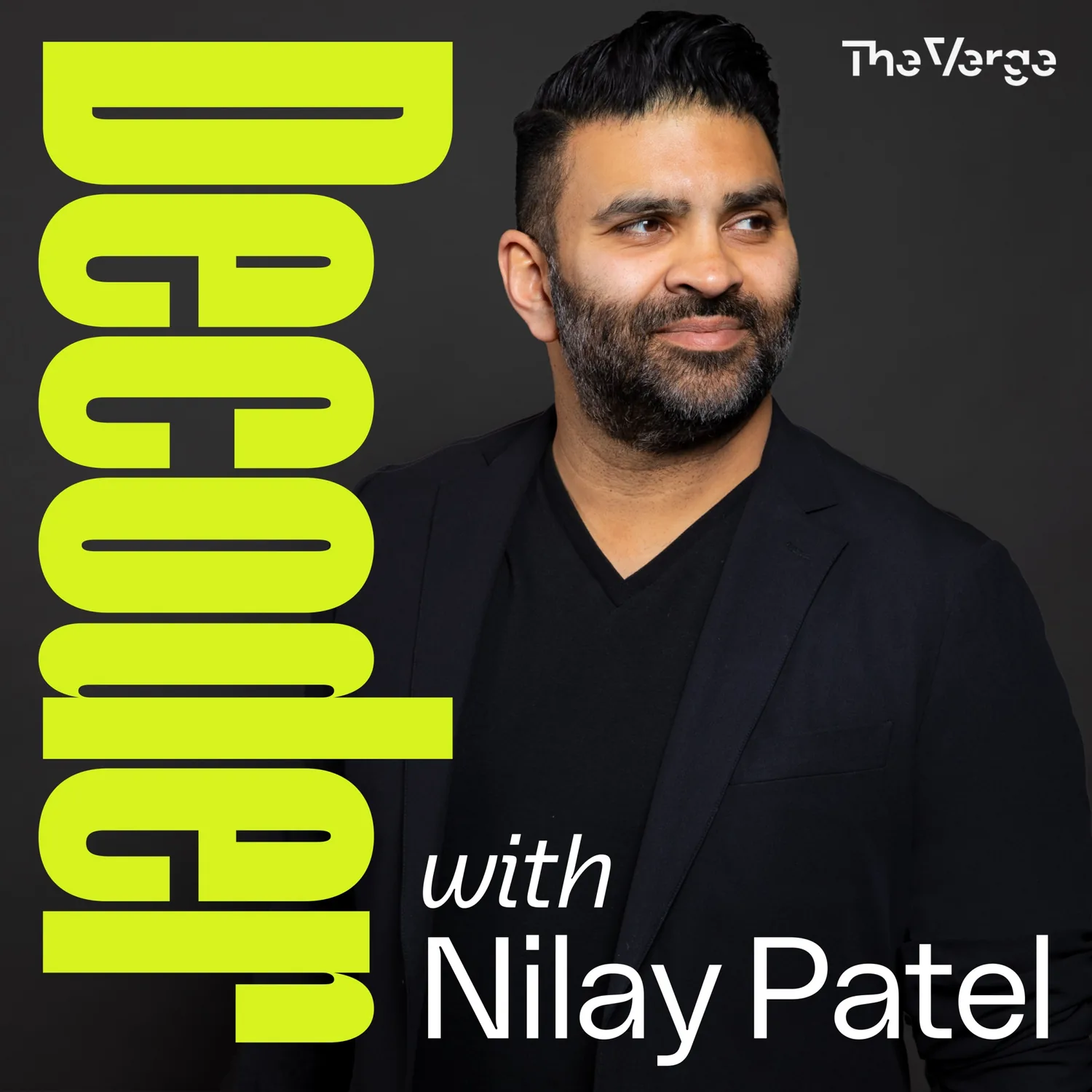
Jonathan Kanter, former antitrust chief at the U.S. Department of Justice, has explicitly rejected the notion that generative AI companies require antitrust exemptions to ensure safety. In an interview on The Verge’s Decoder podcast, Kanter argued that current AI safety concerns do not justify reducing competitive pressures through regulatory coordination. Kanter led high-profile antitrust cases against Google, Apple, and Ticketmaster during the Biden administration and, alongside Lina Khan, helped redefine U.S. antitrust enforcement philosophy.
Key facts:
- Kanter is currently a law professor at Washington University and technology policy professor at Carnegie Mellon
- He secured victories in the DOJ’s cases against Google and Ticketmaster; the Apple case remains active
- He dismissed the idea that companies must collaborate to achieve safety, citing aerospace and automotive industry parallels
- He criticized motivations tied to IPO valuation concerns as potentially amounting to rent-seeking behavior
Antitrust Logic vs. Safety Responsibility
Kanter acknowledged the current scenario resembles a prisoner’s dilemma: AI companies publicly advocate slowing development pace not out of mutual trust, but because each fears falling behind if it alone reduces investment. This creates leverage for government intervention to establish enforceable rules.
Yet he maintained safety is a non-delegable corporate duty: “These companies don’t need to coordinate to deliver safe products.” Boeing did not require Airbus’s cooperation to fix door-fall incidents; automotive firms solve design flaws internally regardless of competitors. Similarly, AI agents that hack other systems should trigger liability on the deploying company—the same principle as employee misconduct.
He acknowledged limited legitimate collaboration, such as threat intelligence clearinghouses to share malicious bots or vulnerabilities. Such mechanisms exist across industries without antitrust exemptions because they directly improve product safety, not curtail competition.
Dual Interpretations of Motives
Kanter outlined two interpretations for the industry-wide call to slow AI development:
Generous reading: Companies genuinely fear unregulated advancement could threaten humanity—even if such doomsday scenarios lack empirical basis. This reflects anxiety about developing technology without traffic rules.
Cynical reading: Firms are burning cash with unsustainable R&D spending. Slowing development provides regulatory cover to reduce competition, stabilize margins, and improve positioning ahead of IPOs. In this view, safety advocacy masks regulatory capture.
He specifically noted the irony: rival companies (OpenAI, Anthropic, Google DeepMind) and even Musk’s team—despite known personal frictions—set identical public positions simultaneously, suggesting coordinated positioning rather than consensus.
Policy Divides and Unlikely Alliances

Kanter’s commentary reveals unexpected cross-ideological alignment. David Sacks, a libertarian former Trump AI advisor, has retweeted Lina Khan (a Biden administration ally) opposing antitrust exemptions—despite their usual policy disagreements. This rare consensus shows broad regulatory concern that “safety-first” rhetoric could Mask anti-competitive collusion.
Notably, the Trump administration currently favors minimal federal intervention, contrasting sharply with the Biden FTC/DOJ’s aggressive stance. Yet Kanter insists the principle should transcend administrations: government establishes baseline rules, but companies alone must deliver safe technology.
Reader Guidance
- For developers/startups: No need to wait for industry-wide safety frameworks; build liability-aware systems now rather than relying on peer “self-regulation”
- For investors: Scrutinize firms using “need sector coordination” as justification; assess true R&D efficiency over regulatory lobbying capital
- For policy watchers: Monitor Congress’s potential “safe harbor” provisions that delineate permissible safety collaboration from anti-competitive coordination
In closing
AI safety should be enforced through robust product liability law—not by suspending core antitrust principles. A genuinely safer AI ecosystem emerges precisely through competitive pressure driving innovation in security, not through coordinated slowdowns among incumbents.