
The Controversy Behind the Platform Update
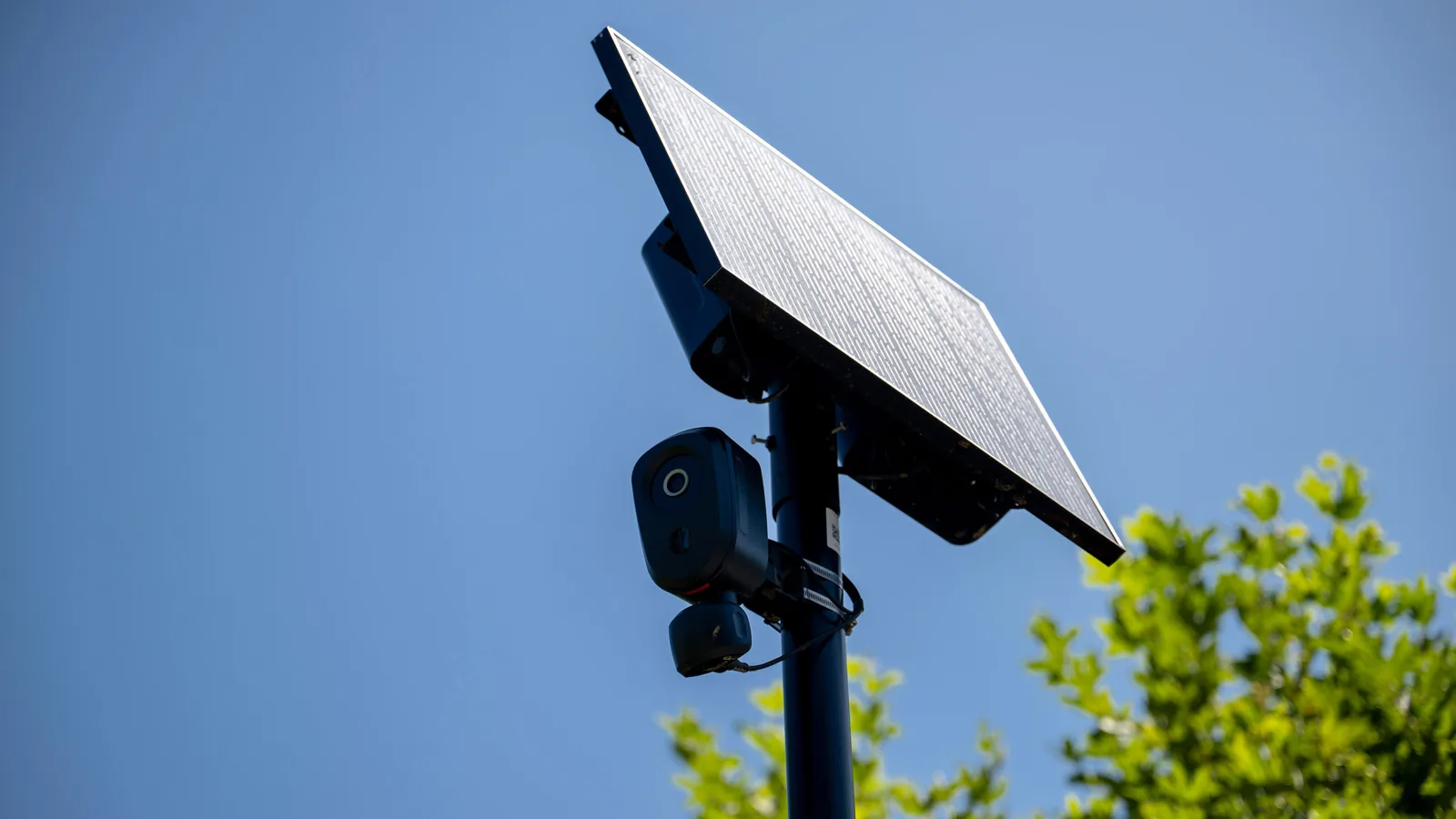
Flock, a U.S. police technology company, recently announced changes to its platform rules in an effort to prevent officers from using its automated license plate recognition (ALPR) system for illegal or improper purposes. Flock is known for a network of roughly 120,000 ALPR cameras deployed across the United States—devices that photograph vehicles and license plates, logging time and location data for search and comparison.
The scrutiny was triggered by a recent Washington Post investigation documenting 50 cases of officers abusing Flock and its competitors’ systems, many involving the tracking and harassment of women. The report cited a Wisconsin woman who said her ex-boyfriend, a police officer, had searched her vehicle 179 times; another woman was stalked by a police chief with virtually no avenue for recourse.
Flock’s response includes using software to flag anomalous searches and requiring officers to input a criminal case number before each query, to demonstrate that the search has legitimate justification. On the surface, this builds “who’s searching and why” into the workflow’s constraints.
The Gaps in the New Rules
The problem is that these measures don’t truly close the key loopholes. Flock confirmed to MIT Technology Review that the platform does not verify the case numbers officers enter. In other words, if someone inputs a fabricated number, the system itself may not catch it. This echoes past instances of officers bypassing other security mechanisms: having a rule in place is not the same as enforcing it effectively.
A more stringent design would integrate the platform with police department case records, only allowing real case numbers to trigger queries. This would likely require deeper data system integration and raise new governance questions, but it would at least create a more reliable audit trail. The debate’s focal point therefore shifts from “are there rules” to “are the rules sufficient to constrain power.”
From Crime-Solving Tool to National Network

Flock’s supporters often make an intuitive argument: if cameras can help solve crimes and locate kidnapped or missing persons, why oppose them? In emergencies, a nationwide camera network can indeed be helpful. But as the article points out, the question isn’t merely whether the technology can be put to good use—it’s also about what kind of policing system it’s designed to become.
Flock’s network reached its current scale through a series of product and business decisions: what information to collect, who can search it, how long data is retained, and over what range it can be shared. Flock largely operates as a national network, meaning police in one city or state can search data collected in another; agencies may also retain data for months or even years.
Notably, Flock states that 90% of searches occur within one week of an incident. This suggests an alternative compromise: retain and share data only within the time window and scope where it’s genuinely useful for solving crimes. The company recently lowered its recommended data retention period to 7 days, but in practice, law enforcement agencies can still hold onto data longer at their own discretion.
Could a Narrower Technology Work?
If the goal is to locate kidnapped or missing persons, the system could also be designed more narrowly. For example, cross-city data access could be permitted only when tied to an active Amber Alert or similar emergency mechanism. This would preserve the technology’s emergency response value without defaulting to continuous, wide-area surveillance.
Criticism from civil liberties organizations wouldn’t entirely disappear as a result. Chad Marlow, senior policy counsel at the ACLU, half-jokingly told MIT Technology Review that by his standards, the most acceptable Flock contract is “the one that was never signed.” He also emphasized that the most effective way to limit surveillance is not corporate guidelines but law. Flock CEO Garrett Langley, for his part, said he “will probably always disagree with the ACLU.”
Industry Direction: Contracts, Laws, and Local Choices
License plate recognition isn’t new technology—it’s been used for tolls and citations since the 1990s. What sets Flock apart is its transformation of scattered cameras into a massive network, providing police departments with modern tools to interpret data across jurisdictions. Its business narrative also underpins a recent $8 billion valuation.
But pressure is mounting: cities have already canceled contracts with Flock, some switching to competitors, others hitting pause to let residents debate the technology’s boundaries and draft new rules. Going forward, the key question isn’t simply “should we use technology and cameras to aid law enforcement”—it’s how much privacy communities are willing to trade for how much security. The more likely emerging trend is local governments redrawing the lines for police technology through contract terms, data retention limits, and legislation.