
Core Events and Hard Facts
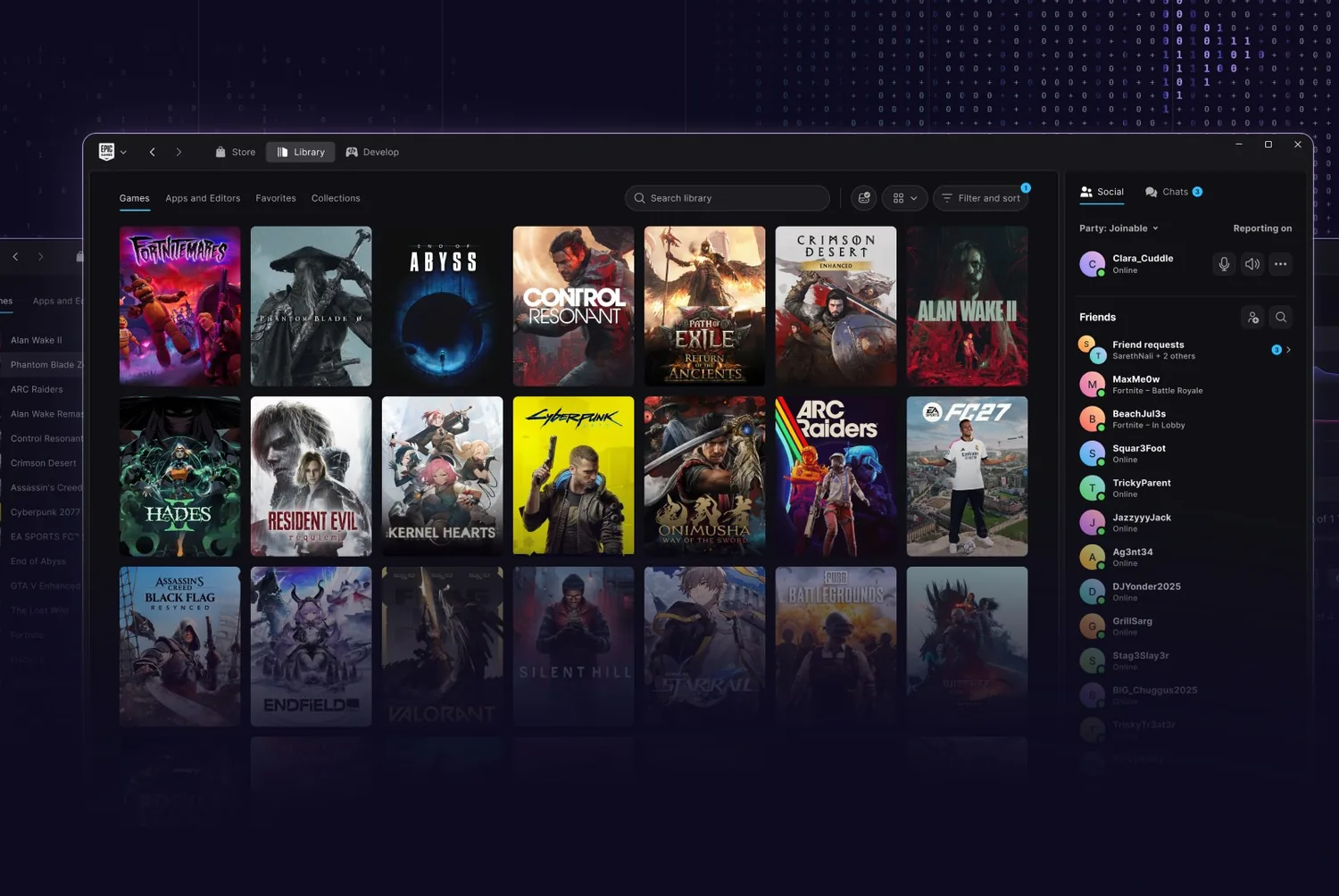
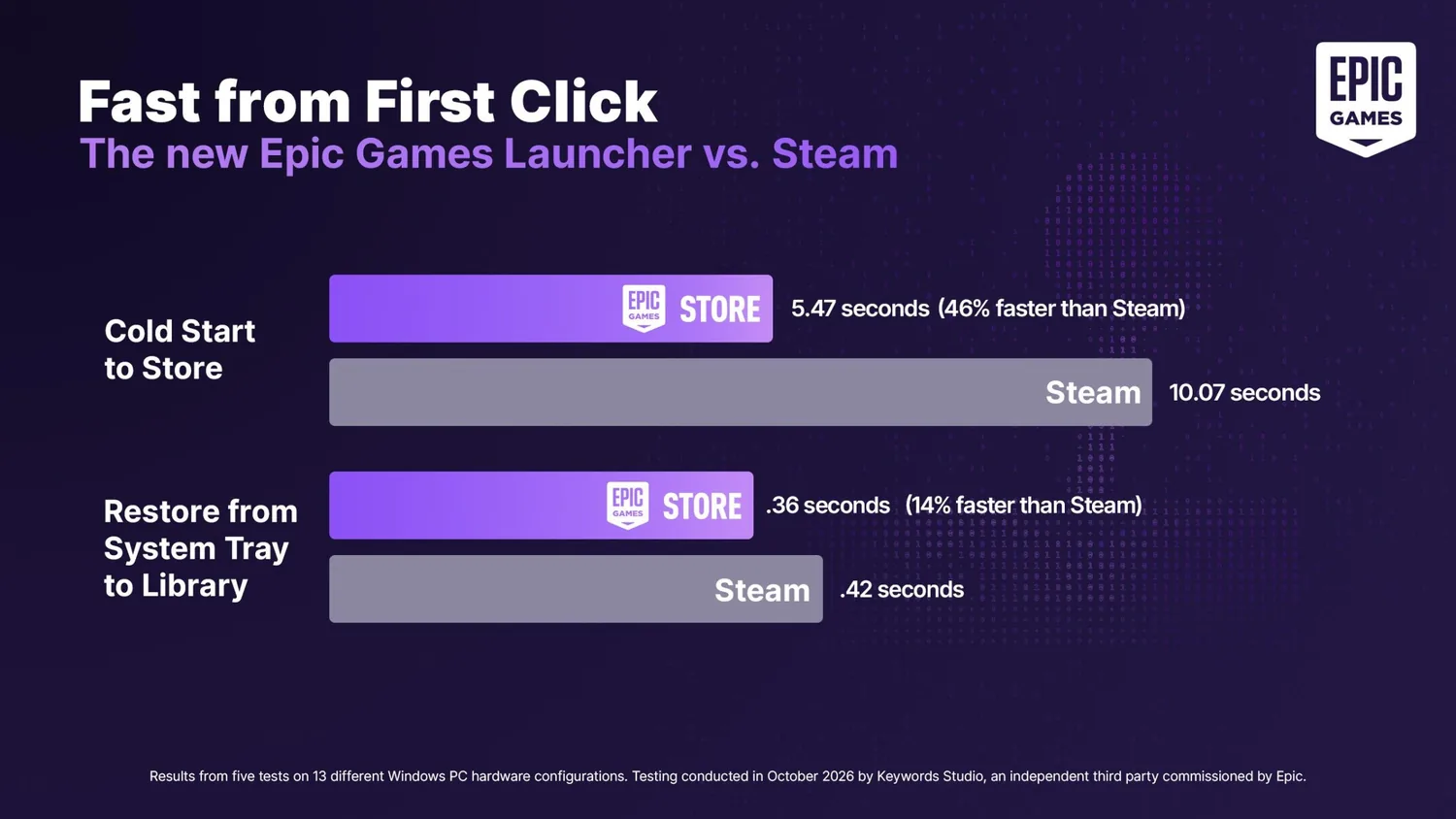
Epic Games today released a preview of its new PC games launcher, which the company says is “way faster,” more responsive, and supports Linux. Even more notably, Epic admitted in its blog that this refreshed version was “vibe coded.” Put simply, “vibe coding” can be understood as developers describing requirements to AI in natural language more often, letting the model generate code, and then having humans review, debug, and integrate it, rather than writing every line by hand.
The hard facts are as follows:
- Release timing: Available today as a preview.
- Platforms: Windows, Mac, Linux.
- Version strategy: The new preview coexists with the old version, and the old version remains available.
- Full migration: Epic has not given a specific timeline for when all users must switch, saying it will roll it out broadly once the new version is “stable” and at feature parity with the current launcher on necessary functionality.
- Additional plans: Epic also announced plans to bring Fortnite to Linux through the app.
- Price: The company did not mention any pricing changes for the launcher.
Behind “Vibe Coding”: AI Agents Write and Review, Humans Supervise

Epic’s blog post puts it self-deprecatingly: “Programming is hard. So, instead of doing that, we vibe coded a new Epic Games Launcher…” The new version is described as faster, more responsive, and visually updated compared with the current one. Martin Keely, vice president and general manager of Epic Games Store and Epic Online Services, explained to The Verge that AI was one of the tools used in this development and part of the company’s shift toward “using AI in new and different ways.”
Keely said AI was “super helpful” for testing and for “replicating the core functionality of the existing launcher,” and that it enabled Epic to offer a Linux version of the new launcher. The team spent “most of the year” on the launcher. But a key contrast emerges here: Bloomberg reported this week that an Epic executive overseeing an unannounced Disney project told employees “no more handwritten code”; Keely, however, said the launcher team did not adopt that model. “We definitely had agents write and review all the code,” Keely said. “We used it to replicate core functionality.” But he stressed that the development team “managed the process” and “supervised everything we did.”
In other words, the official “vibe coded” label does not mean completely letting AI write at random. It means agents write, agents review, and humans supervise throughout. Keely also said the launcher team’s approach predated this week’s announcement from Sweeney, but was “on the same train.” He believes the new launcher demonstrates speed and efficiency in both the development process and the actual output, giving the company more confidence in its direction.
The Contrast: Thousands Laid Off, but Epic Says It Is Unrelated to AI
On Monday, Epic CEO Tim Sweeney announced that a “massive shift is underway,” with the company redeploying developers to “maximize AI acceleration.” He stressed that the goal “is not to do the same thing with fewer people, but to let everyone here build more and better things, and to bring the benefits to every team using Unreal.” Bloomberg’s report pushed that aggressiveness even further: an Epic executive involved in an unannounced Disney project told employees, “no more handwritten code.”
But another data point creates a contrast: in March, Epic laid off more than 1,000 employees. In a memo to employees at the time, Sweeney said: “Since this is a topic now, I should say that the layoffs are not related to AI.” He added that as long as AI can improve productivity, the company wants as many great developers as possible building content and technology. No direct causal link between the layoffs and the new launcher was given, but on the timeline, the AI narrative and the workforce contraction coexist.
Who Should Use It, and Who Should Wait
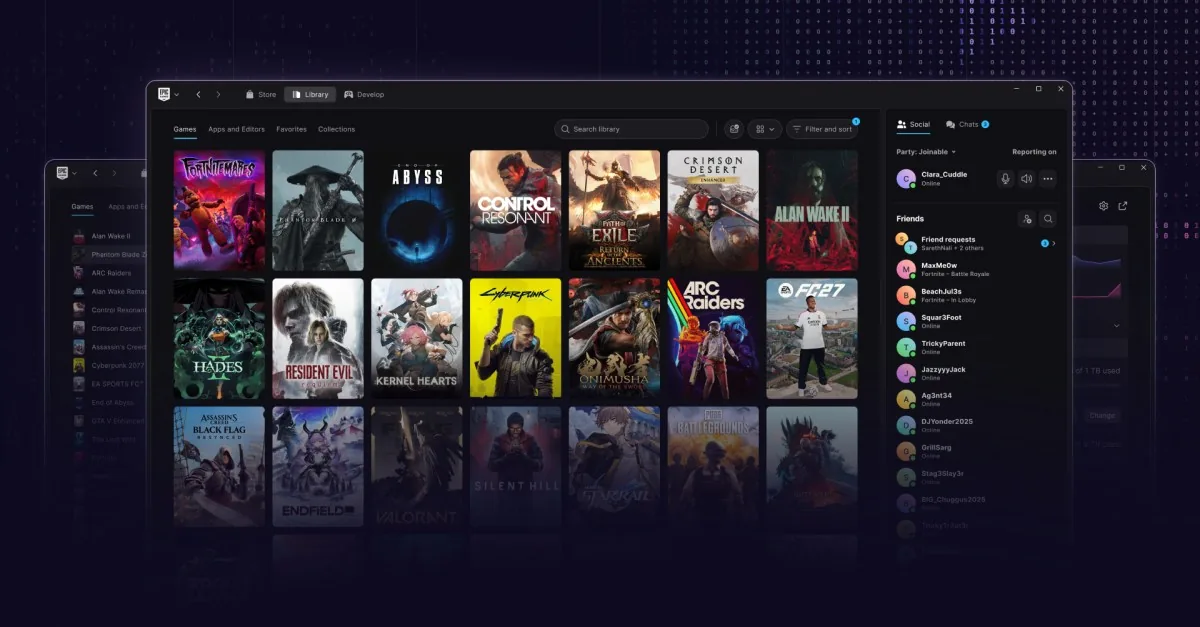
For Linux gamers, this update is worth watching: native Linux support from a major game store launcher is uncommon, and Epic also plans to bring Fortnite there. Windows and Mac users who want to try the new interface and speed can install the preview while keeping the old version as a fallback.
But if you rely on the launcher for daily competitive play, use specific plugins, or depend on automated workflows, it is better to wait. Epic has not yet given a full migration timeline, and the new version is still pursuing feature parity with the old one. Be especially patient about “Fortnite on Linux”: for now, it is only a plan, not something fully available.
Final Thoughts
Epic putting “vibe coded” in its official blog shows that AI-assisted development is moving from internal experiment to product narrative. But the launcher team’s human oversight process also shows that “no handwritten code” is not the company’s current unified practice. For players, the ultimate test is not who typed the code, but whether the new version is truly faster, more stable, and usable across platforms.